
Last updated September 10, 2026
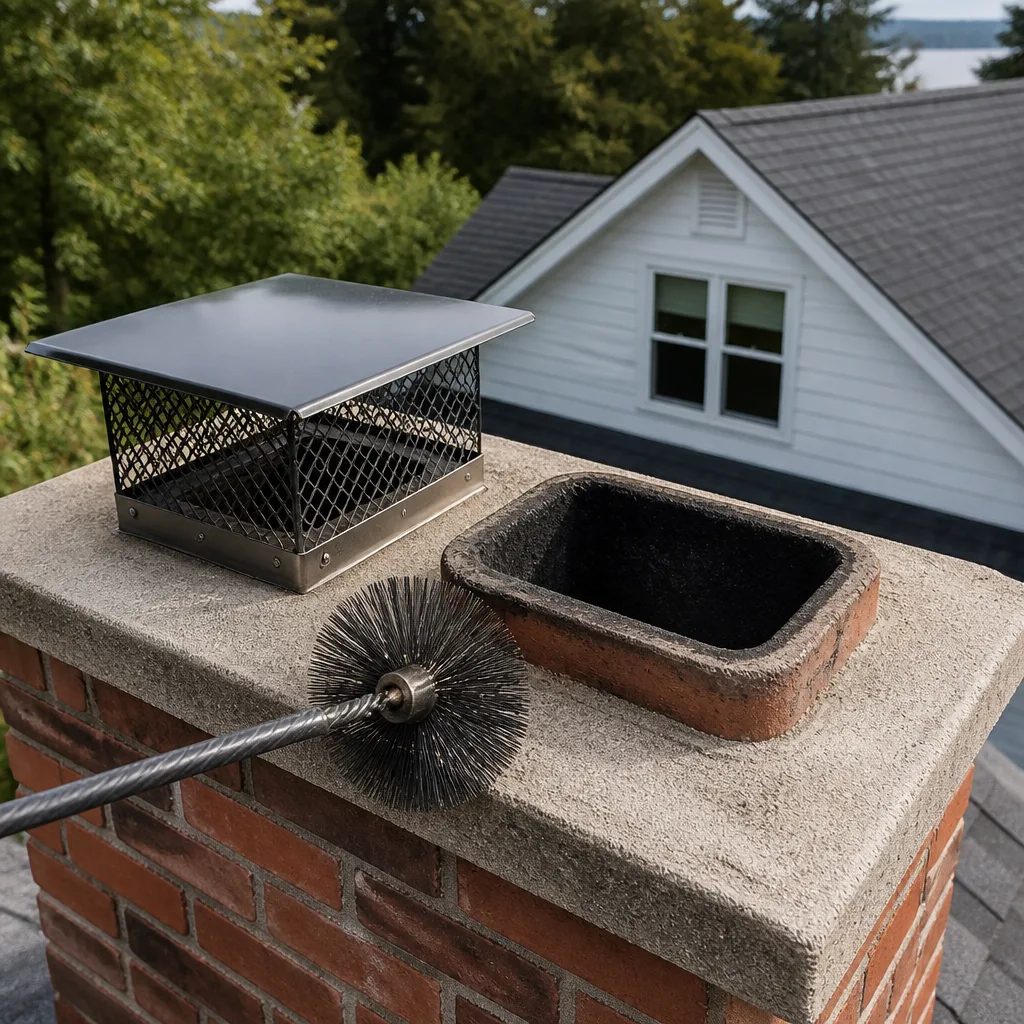
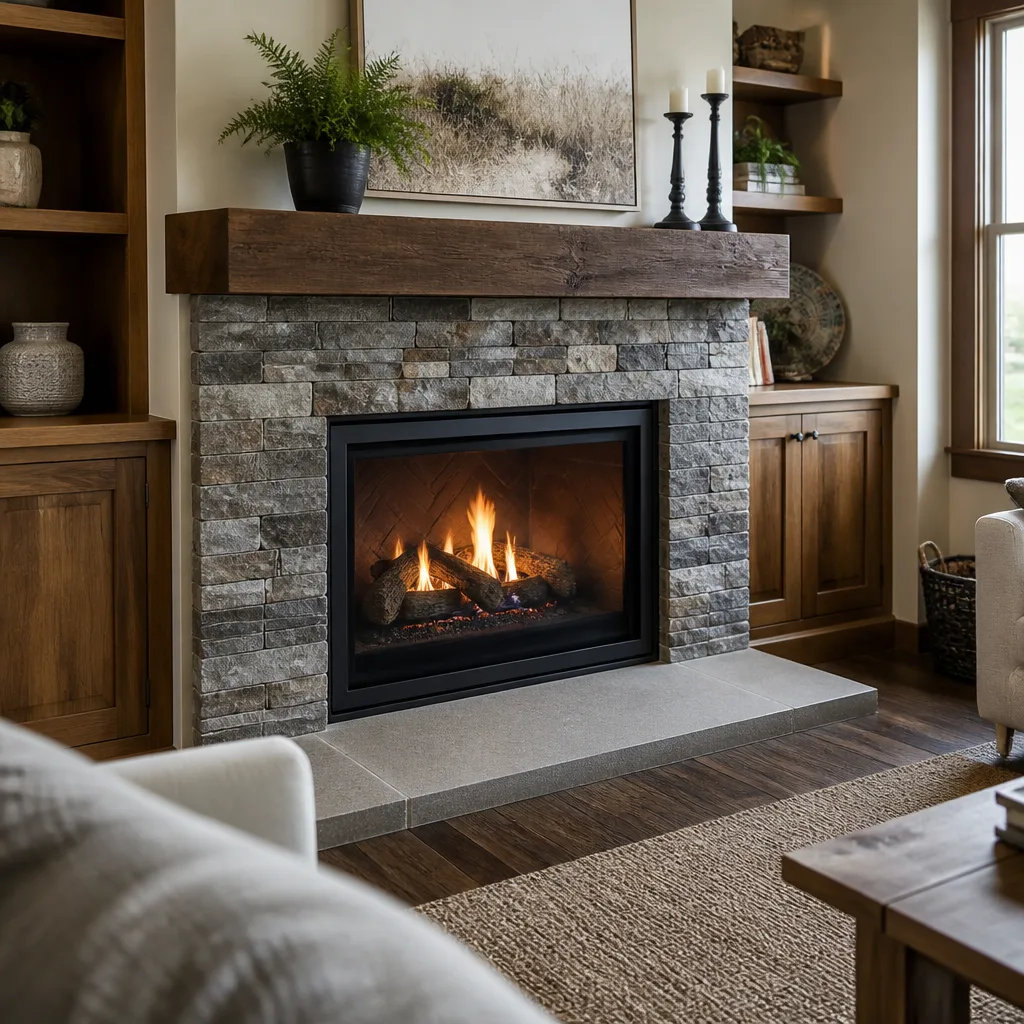
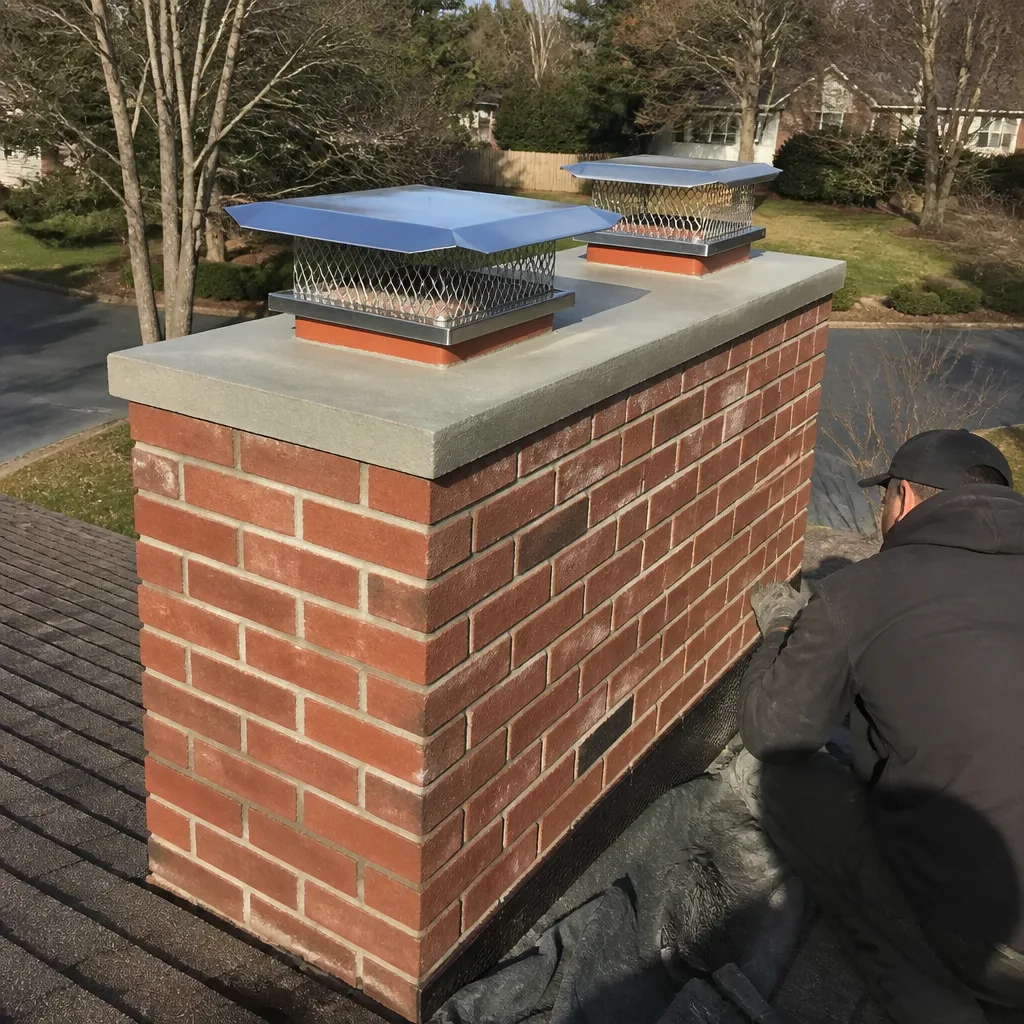
Level 1 sweep and inspection to the NFPA 211 annual standard - flue, crown, cap, and flashing checked and photographed
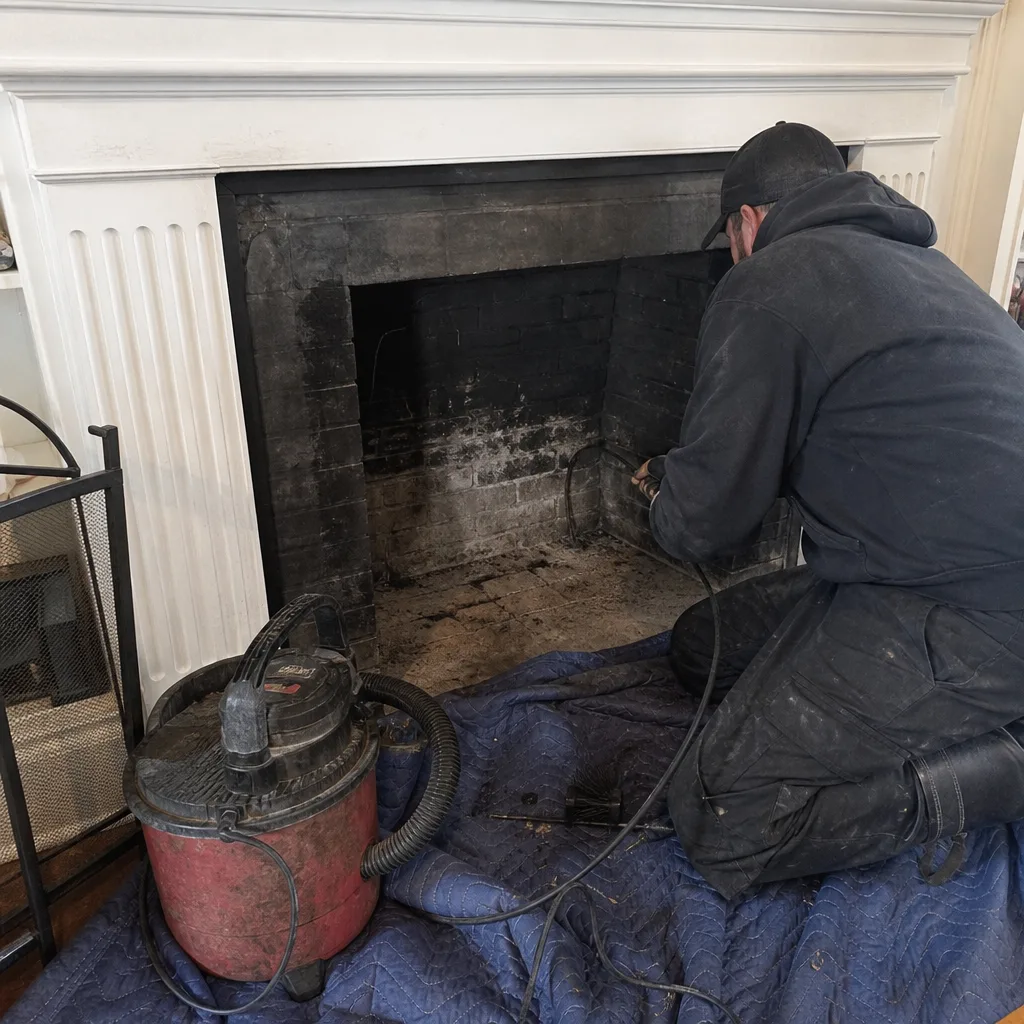
Chimney sweep logs do not sweep chimneys. They loosen some creosote - which then falls where a brush and vacuum still have to collect it.
 Before
 After
After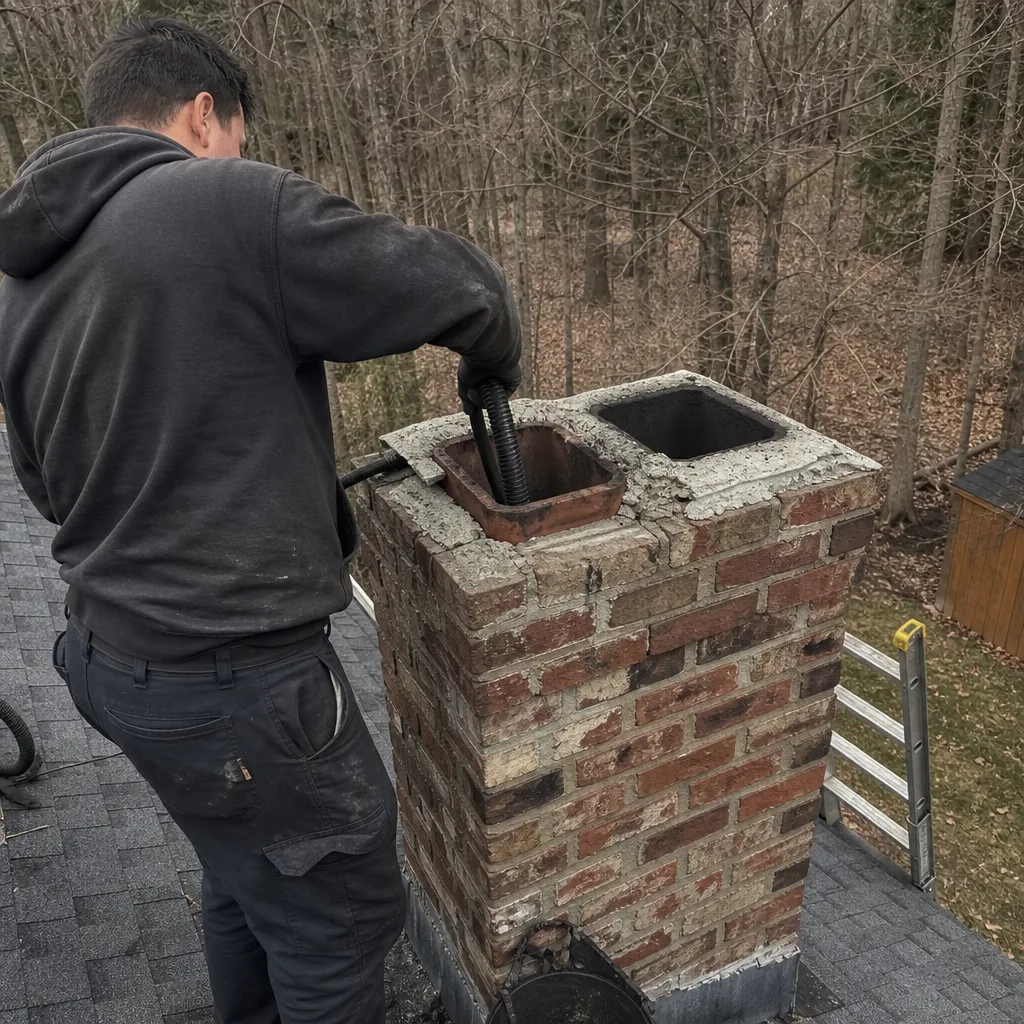 Before
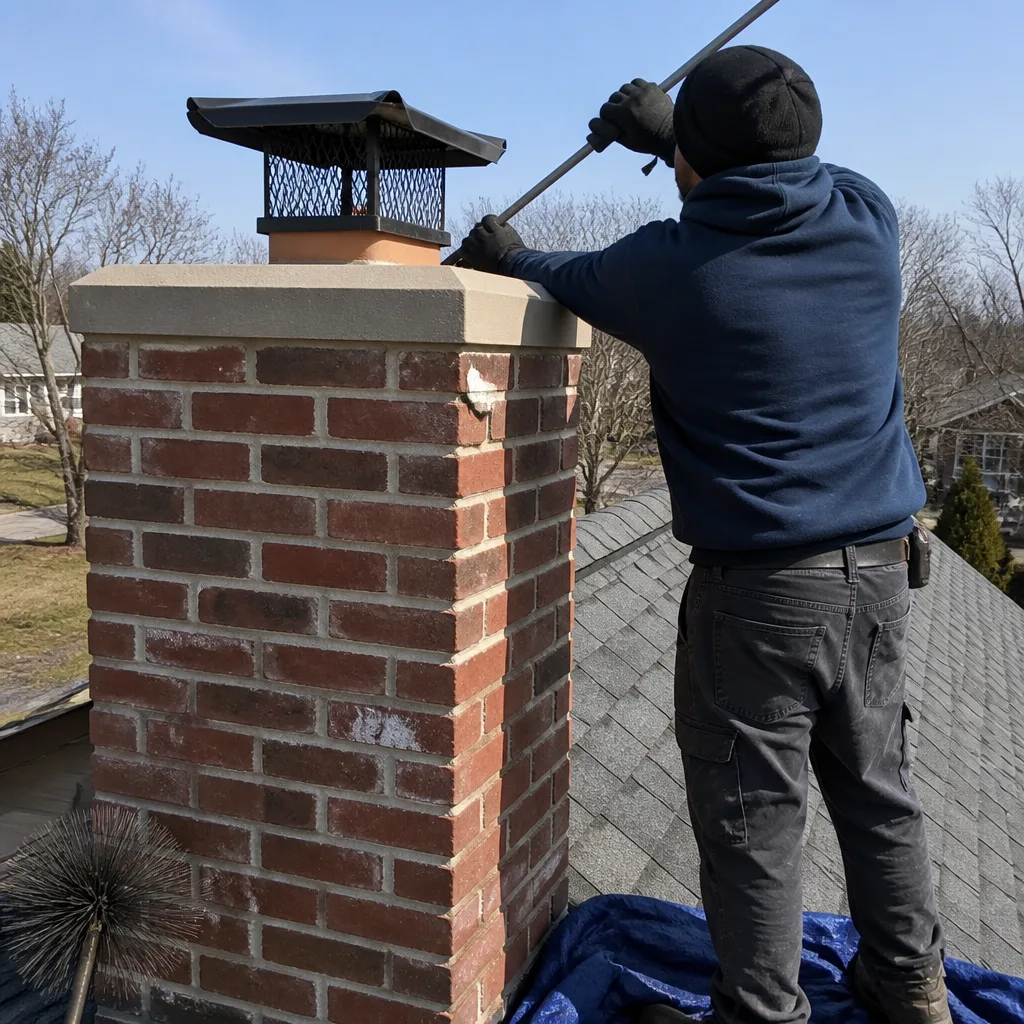 After
After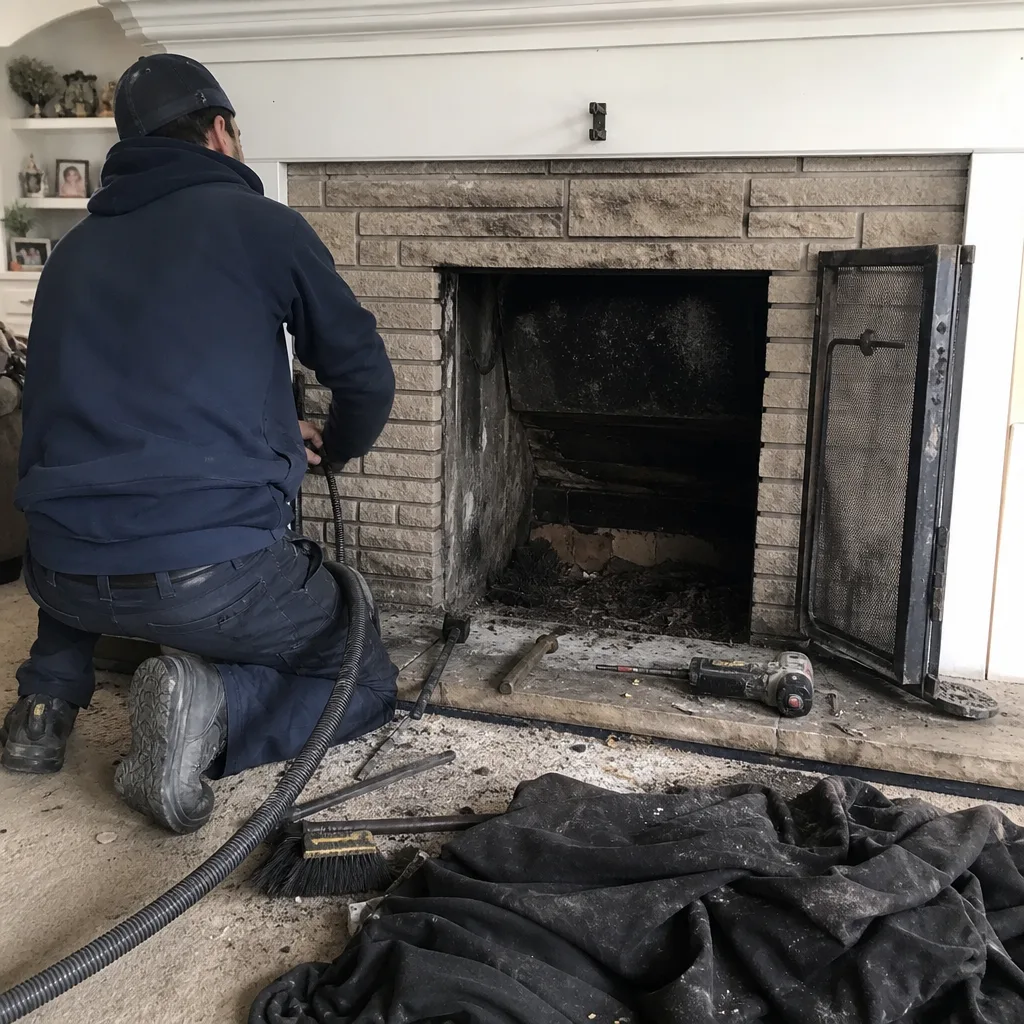 Before
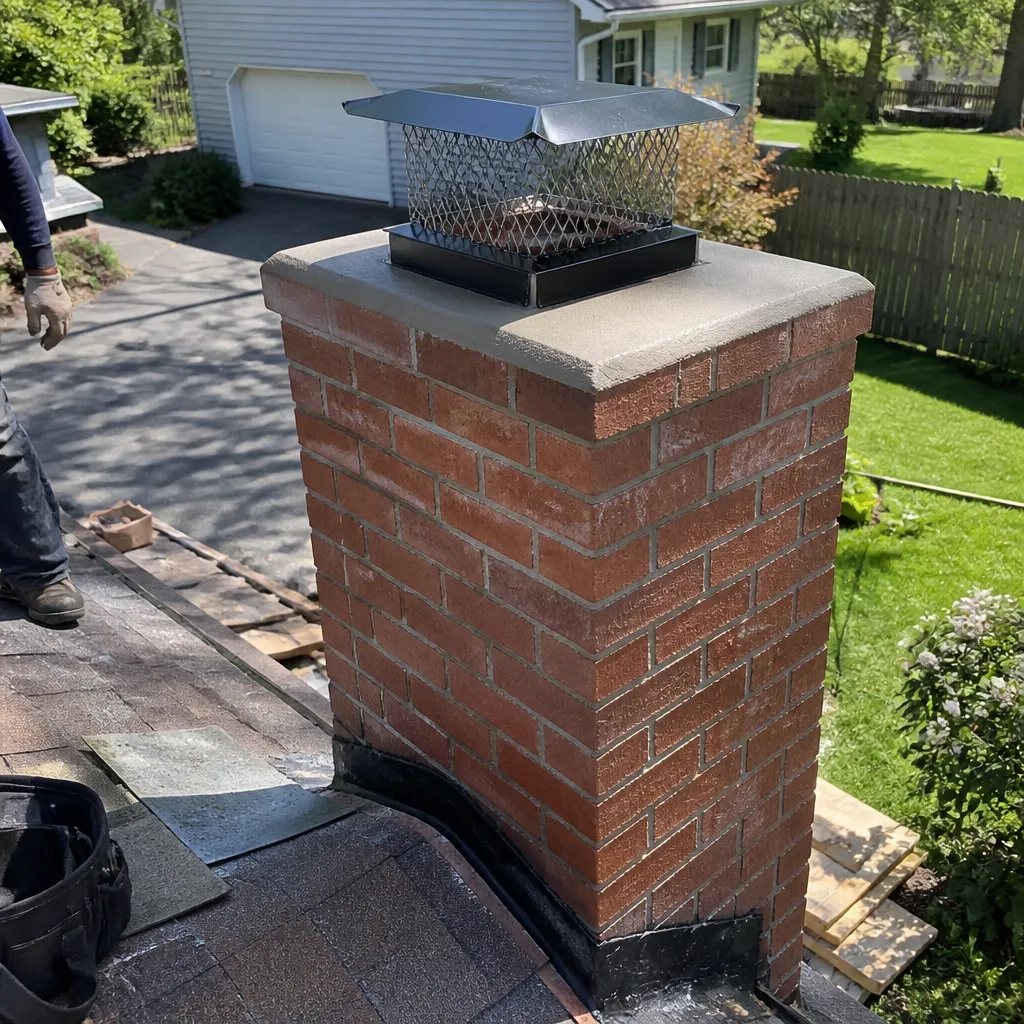 After
AfterHow to Hire a Chimney Cleaning Contractor in Jamesburg: A Step-by-Step Guide
Every year, the New Jersey Division of Consumer Affairs logs complaints about chimney contractors, and the story behind most of them reads the same: a homeowner got a low price over the phone, a truck showed up, and suddenly there was a list of urgent repairs that somehow never came up during the first call. Jamesburg homeowners deal with this just like everyone else in Middlesex County, and the frustrating part is that most of it is avoidable. This guide walks you through exactly how to screen a chimney cleaning contractor before they ever step foot in your house, with the questions to ask, the credentials that matter, and the red flags that show up long before the invoice does. For more guides & resources on keeping your home safe, see our blog. By the time you finish, you’ll know how to separate a straight-dealing local sweep from a lead-mill operation running on volume and add-on pressure.
Quick Answer
To hire a chimney cleaning contractor in Jamesburg, verify three credentials first (CSIA certification, a New Jersey Home Improvement Contractor license, and liability insurance), ask for a written estimate before any work begins, and confirm the person on the license is the person who shows up. Expect to pay between $150 and $300 for a standard inspection and sweeping in Middlesex County, and walk away from anyone who quotes a price before looking at the chimney or pressures you into immediate liner work without camera footage to prove it.
Table of Contents
- The Three Credentials That Actually Matter in New Jersey
- Phone Questions That Separate a Local Sweep from a Lead Mill
- What a Written Estimate Should Include in Jamesburg
- How to Read Online Reviews for Chimney Contractors
- Why Owner-Operated Matters and How to Verify It
- Common Mistakes to Avoid
- When to Call a Professional
- Frequently Asked Questions
The Three Credentials That Actually Matter in New Jersey
A lot of chimney contractors put impressive-looking logos on their websites and trucks. Most of those logos mean nothing. In New Jersey, there are three credentials that genuinely matter, and you can verify each one in under five minutes from your kitchen table before you ever pick up the phone.
First is CSIA certification, which comes from the Chimney Safety Institute of America. A CSIA-certified sweep has passed a written exam covering fire codes, clearances, and the mechanics of how a chimney actually drafts. It is not a lifetime badge either. They have to recertify every three years, so when you check the CSIA database online, you will also see whether the certification is current or lapsed. The database is public and searchable by name or company. If a contractor says they are certified but you cannot find them, that is the end of the conversation.
Second is a New Jersey Home Improvement Contractor license, which the state requires for any contractor doing residential work over $500, including chimney liner installation and most repairs. You can verify this through the New Jersey Division of Consumer Affairs website. Type in the license number and you will see the name it is registered under, whether it is active, and whether there have been any disciplinary actions. Pay attention to the name on the license. If you are dealing with a company that sends a subcontractor whose name is not on any credential, that is a sign the person who shows up may not be the person you vetted.
Third is liability insurance. It is not a license and it does not prove skill, but it protects you if something goes wrong. A chimney cleaning involves someone on a roof with brushes and rods, and in Jamesburg, most homes are old enough that roofs are not always forgiving. Ask for a certificate of insurance directly from the agent, not a photocopied sheet from the contractor. A one-minute call to the insurance agent confirms the policy is active. In Middlesex County, you should also check that the policy has enough coverage for the type of home you have. The older housing stock in Jamesburg, plenty of it built before 1950, makes this more than a formality.
Here is the under-five-minute verification list:
- Search the CSIA database for the sweep’s name or company. Confirm the certification is current.
- Search the NJ Division of Consumer Affairs license lookup. Confirm the license number matches the name on the quote.
- Call the insurance agent listed on the certificate of insurance. Confirm the policy is active and covers chimney work.
If any of these three checks comes back unclear, that is not a reason to negotiate. It is a reason to move on. The good news is that in a town the size of Jamesburg, you are not sorting through hundreds of options. You are sorting through maybe a handful of local operations, which makes this screening work quick and worth doing every time.
Phone Questions That Separate a Local Sweep from a Lead Mill
Most chimney contractors do not actually clean chimneys themselves. They run a call center, book the appointment, and then sell that lead to whoever will pay for it. These operations dominate search results because they spend heavily on advertising, and they are usually the ones offering suspiciously low “sweep specials” to get a foot in the door. The way to sort them out is with questions, and the order matters.
Start with this one: “What is your license number?” A local owner-operated contractor like the kind that has worked Jamesburg for years will have the number memorized or right on the dashboard. A lead mill will put you on hold or promise to call back. Every minute of stalling is information.
Then ask: “Who is actually coming to my house, and are they the person on the license?” There are legitimate reasons a small company sends a trained crew member instead of the owner, and that is fine, as long as the person sent works for the company named on the license and the insurance. If the answer is vague, if the person on the other end cannot tell you the name of who will show up, that is not a scheduling issue. That is a subcontracting arrangement, and it means the company you called is not the company doing the work. In a trade where accountability matters more than almost anything, that distinction is the whole ballgame.
A third question: “What is included in the price you are quoting me right now?” If they answer with a number, ask whether that covers the inspection, the sweeping, and any paperwork. If they say yes, ask them to send it in writing before the appointment. You will find that some will not do this. That is your answer.
And the last one, the one that saves people the most grief: “Do you use a camera to show me what you find, or do I just take your word for it?” A straight-dealing contractor will tell you they run a camera up the flue and show you the footage. That is standard practice among serious sweeps because it removes the entire trust problem from the transaction. A company that does not use cameras is asking you to approve repairs you cannot see, on the word of someone you just met. That is not a diagnosis. That is a sales pitch.
Write down the answers. If the written estimate that shows up does not match what you were told on the phone, that is the single clearest signal that you are dealing with a bait-and-switch operation. The phone call is not where you hire anyone. It is where you screen them out.
What a Written Estimate Should Include in Jamesburg
In New Jersey, a written estimate is not a courtesy. It is your protection. State law requires home improvement contractors to provide a written contract for work over $500, and chimney repairs routinely cross that line. For details on the rules that apply, see our guide to Chimney Cleaning Permits, Codes & Inspections in NJ: What You Need to Know. But even a $200 chimney cleaning should come with something in writing before anyone puts a ladder against your house. When you get that paper, here is what to look for.
A serious estimate lists the scope of work in plain language. “Sweep and inspect fireplace flue” is good. “Flue maintenance services as needed” is not. Vague language in a quote is usually a placeholder for add-ons later. If a line item is not specific enough that you could show it to a second contractor and get a clear comparison, it is not specific enough to sign.
The estimate should include the price you were quoted on the phone, not a higher number with a discount applied. We have seen quotes in Jamesburg where the phone price gets listed as a “promotional discount” against an inflated base rate, which is a way to make the same number look like a deal while leaving room to remove the discount at the door. If the invoice at the end of the job does not match the estimate you signed, that is not a misunderstanding. That is a violation, and you can report it to the Division of Consumer Affairs.
Pay attention to what is not there. A legit estimate will include the contractor’s NJ license number, their business address, and a phone number that someone actually answers. If the address is a P.O. box in another state and the phone number routes to a call tree, that is information. Top Hat Chimney has a published local address and a phone answered by a live person around the clock, because Wendell has been working these neighborhoods since 1999 and his name is on the work. That is what the paperwork looks like when the contractor plans to be around long enough to stand behind it.
Here is what a proper written estimate for a chimney cleaning in the Jamesburg area generally includes:
- Total price, with no separate “diagnostic fee” that was not disclosed on the phone.
- The exact scope: inspection, sweeping, any repairs that are included at that price.
- Itemized pricing for any repair work recommended, with the cost broken out line by line.
- The contractor’s NJ license number and business street address.
- Whether a camera inspection is included, and whether you get to see the footage.
- Any warranty or guarantee language, in writing, not just mentioned in passing.
If the estimate is a single number scrawled on a business card, that is not an estimate. It is a starting point for negotiation you will lose. Ask for the details. If the contractor resists, that tells you more than the paper ever would.
How to Read Online Reviews for Chimney Contractors
Review platforms are useful, but not in the way most people think. You are not looking for a perfect five-star average. You are looking for patterns, and some of the most revealing patterns do not look like red flags at first glance.
Start with the total number of reviews and how fast they accumulated. A company that has served Middlesex County for a decade should have a steady trickle of reviews going back years. A brand-new operation with a hundred reviews in three months is usually buying them or running a promotion that trades discounts for positive write-ups. Neither tells you anything about the quality of the work.
Then read the one-star reviews, but read them differently than you would for a restaurant. A review that says “they were late” is a scheduling complaint, not a workmanship complaint. A review that says “they quoted $99 and then tried to sell me a $4,000 liner after looking at my chimney for ten minutes” is not a one-off grump. That is a business model. If you see that pattern repeated by multiple reviewers using different words, that is the most important information the platform can give you. The national outfits that work Jamesburg from a call center somewhere else generate these exact reviews in volume.
Then look at the five-star reviews with the same skepticism. Reviews that read like advertisements, with unnatural phrasing like “great experience, very professional company, would recommend to anyone in the area,” are often incentivized or templated. What you want are reviews that mention specifics: the name of the technician, the fact that they showed the camera footage, that the final bill matched the quote, that they did not push unnecessary work. Specific details are the closest thing to verification you can get from a stranger on the internet.
And pay attention to how the company responds to negative reviews. A contractor who gets defensive, blames the customer, or argues in public is warning you how they will treat you if the job goes sideways. A contractor who responds calmly and offers to make it right is demonstrating exactly what you want to see, because the day will come when something is not right, and the only thing that matters on that day is how the response goes. Wendell’s crews work under a 90-Day Done Right Promise for precisely that reason. If the work is not done right, one call brings the crew back at no additional cost. That promise matters more than any five-star count.
Why Owner-Operated Matters and How to Verify It
Chimney work is unlike most home service trades because the person doing the inspection is also the person deciding whether you need repairs, and those repairs can run into the thousands of dollars. That is a structural conflict of interest, and the only real defense is accountability. Owner-operated companies handle that conflict differently than chains do, for one simple reason: the owner’s name, reputation, and future business all ride on whether you feel like you got a fair deal.
In Jamesburg, where families stay for generations and people still talk to their neighbors, that accountability is not abstract. A local owner runs into you at the ShopRite or at the high school football game. A call-center operation does not have that problem, and it shows in their behavior. When the technician is paid on commission for repairs they upsell, the incentive structure is openly against your interests. When the person on your roof is the person whose name is on the license, the incentive is to tell you the truth so you will call them back in three years and tell the neighbors.
So how do you verify that the company you are considering is actually owner-operated? It takes about four steps:
- Look up the NJ Home Improvement Contractor license. Note the name on it. Then ask the person on the phone who owns the company and whether the owner is the one doing the work or directly supervising the crew.
- Check the company’s website for the owner’s name and photo. A real owner-operated business names the owner. A lead mill hides behind a brand name.
- Ask whether the technician who shows up is the person whose name is on the license, or a direct employee of that person. Be direct about it. A straight answer is a good sign.
- When the truck pulls up, ask the technician their name and whether they work for the company you called or a subcontractor. If there is any hesitation, ask again before you let them on the roof.
We have worked in Jamesburg and the surrounding towns since 1999, and Wendell Pike still puts his own name on the license and the work. He is the one you will see again in town on Saturday. That is not a marketing line. It is the reason the business model works. A chimney cleaning is a $200 to $300 job, but the trust it takes to let someone on your roof and inside your flue is worth a lot more. Owner-operated means that trust gets honored, because the cost of breaking it is personal.
Understanding Creosote: What You’re Actually Paying to Remove
Most homeowners hear the word creosote and picture a harmless soot. What is actually happening inside your flue is more specific, and knowing the difference changes how you evaluate a chimney cleaning quote. Creosote builds up in stages, and each stage is a different job with a different price. When a contractor explains this to you in plain English, that’s a sign they know what they are doing. When they skip it and jump straight to a liner replacement, that’s a sign they are selling something.
First-degree creosote is the dusty, flaky stuff that brushes off relatively easily. This is what a standard chimney sweeping in Jamesburg removes, and it is usually the level you are dealing with if you burn seasoned hardwood once or twice a week during the winter. Your flue doesn’t care how the fire looks. It cares how it breathes, and a routine sweep handles first-degree buildup without drama or add-ons.
Second-degree creosote is darker and crunchier, more like dried tar than ash. It happens when fires burn cooler than they should, often because the wood is not fully seasoned or the damper is partly closed. A standard brush can usually still handle it, but it takes longer, and a thorough sweep will tell you that at this stage, especially with the humidity in central New Jersey summers, leaving it alone starts to become a real problem.
Third-degree creosote is the one you hear horror stories about. It is a glaze, hard and shiny, almost like a candy coating on the inside of the flue. It forms when creosote bakes in the heat of repeated fires, and it is a genuine fire hazard. This cannot be brushed off. It requires chemical treatment or specialized removal tools, and sometimes it means the flue is too far gone and a liner is the only safe fix. First-degree creosote is a brush job. Third-degree is a glaze. Catch it early. A contractor who explains the difference and shows you the camera footage before recommending anything is the contractor you want standing in your house.
How Often Should a Chimney Be Cleaned in Jamesburg?
The National Fire Protection Association standard is simple: chimneys should be inspected at least once a year and cleaned when there’s enough buildup to justify it. In practice, for a home in Jamesburg that burns wood regularly through a Middlesex County winter, that usually means a cleaning every year. For a deeper look at timing your maintenance, read our Seasonal Chimney Cleaning Care for Jamesburg: Year-Round Homeowner’s Guide. But the honest answer is more specific than that.
If you only light the fireplace a few times a year, maybe on holidays or the odd cold snap, you might not need a full cleaning every single season. What you still need is an inspection, because chimneys do not only break from use. Once a year, burn or no burn. Chimneys break in the off-season too. Water gets into the masonry, freeze-thaw cycles in January and February work cracks wider, and animals build nests in flues that sit quiet for months. A rusty damper or a loose brick crown has nothing to do with how often you burned. It has to do with how long the chimney has been standing in New Jersey weather.
Here is the practical breakdown we tell homeowners in the Jamesburg area:
- Burn wood more than twice a week from October through March: get a chimney cleaning every year, before the season starts.
- Burn wood occasionally or mostly on weekends: get an inspection every year, and a sweeping whenever the camera shows more than a thin film of creosote.
- Never burn, but the fireplace is part of an old house: get an inspection every year anyway, because the flue is still connected to a masonry structure that ages with the weather.
- Just moved into an older home in Jamesburg: get an inspection before you light the first fire, no matter what the previous owner told you.
Middlesex County summers are humid, and that humidity interacts with any creosote left behind from the previous burning season. Creosote is hygroscopic, meaning it absorbs moisture from the air, and that moisture accelerates corrosion in a metal liner and deterioration in a masonry flue. The annual rhythm is not a sales tactic. It is the schedule that matches the climate you live in.
Chimney Cleaning Costs: What Jamesburg Homeowners Actually Pay
Chimney cleaning prices in Middlesex County are stable enough that you should be suspicious of anyone quoting far outside the normal range. A standard inspection and sweeping for a single-flue, wood-burning fireplace in Jamesburg generally runs between $150 and $300, depending on the height of the roof, the condition of the flue, and whether it is the first cleaning after a long stretch of neglect. See our Chimney Cleaning Cost Breakdown: The Jamesburg Homeowner’s Reference for 2026 for a detailed breakdown. That price should include the inspection, the sweeping, and a basic report on what was found.
If someone quotes you $99 as a flat rate, be cautious. That price usually covers only the most superficial work, and it is often a loss leader designed to get a technician into the house so they can uncover add-ons. In our experience in this trade, the $99 sweep is the most common opening move in the bait-and-switch playbook. It works because it is just low enough to get you to book, and the problems found afterward somehow always require immediate attention. If the $99 quote includes a camera inspection and a written condition report, fine. If it does not, there are strings attached.
On the other end, if someone quotes you $500 for a standard chimney cleaning with no special circumstances, that is also worth questioning. High prices sometimes reflect deep expertise and specialized equipment, but they can also reflect a company that has plenty of work and no incentive to be competitive. Ask what makes the price different from the middle of the market. A straight answer about roof pitch, chimney height, or a particularly bad creosote situation is reasonable. A vague answer about “quality” is not.
Here is what the market in Jamesburg and the surrounding area generally looks like for related work, so you have a frame of reference:
- Standard chimney cleaning and inspection: $150 to $300 for a single flue.
- Chimney cleaning for a two-flue home (fireplace plus furnace flue): $250 to $450.
- Crown repair or replacement: $300 to $800 depending on materials and access.
- Chimney cap installation: $150 to $400 including the cap itself.
- Stainless steel liner installation: $2,500 to $7,000 depending on the length, the flue size, and whether insulation is required.
None of these are quotes. They are the range you should expect to see in this part of central New Jersey. If a number comes in dramatically outside the range in either direction, ask why before you sign anything. And remember: Top Hat Chimney offers $40 off any repair over $200 and a free second opinion on any competing written estimate, which is a useful safety net when you are not sure whether a quote is fair.
Common Mistakes to Avoid
- Hiring on price alone. The cheapest quote in Jamesburg is often the most expensive by the time the add-ons land. Anyone can quote a low number over the phone. The question is whether it will survive contact with your actual chimney.
- Skipping the license check because it feels like a hassle. The NJ Division of Consumer Affairs lookup takes less time than brewing a pot of coffee. When you skip it, you are hiring on trust alone, and some operators count on exactly that.
- Approving liner work without seeing camera footage. A liner replacement can run several thousand dollars. If the contractor cannot show you the inside of the flue on video, you have no way to know whether the work is needed. No footage, no signature.
- Assuming the person who answers the phone is the person who does the work. In the chimney trade, the gap between those two roles is where most consumer fraud happens. Ask who is coming, by name, and verify it when the truck arrives.
- Letting a technician rush you with a “same-day discount.” Urgency is a sales tool, not a diagnostic finding. A real problem with your chimney will still be a real problem next week. A quote that expires before you can get a second opinion is designed to prevent you from getting one.
- Ignoring the off-season. Many Jamesburg homeowners think about the chimney only in October. By then, the good local contractors are booked solid and the high-pressure operations are the ones with availability. Schedule in the spring or summer when you can be choosy.
- Not asking about the guarantee before work starts. A warranty mentioned casually on the phone is not a warranty. The 90-Day Done Right Promise comes in writing on every job because a guarantee you cannot hold someone to is just a sentence.
When to Call a Professional
Some chimney situations are judgment calls. Some are not. Call a professional when you see dark staining on the walls near the fireplace, when you smell smoke in the house after a fire dies down, when you hear animals in the flue, or when it has been more than a year since anyone looked at the chimney and you plan to burn through a Middlesex County winter. These are the moments where a small problem becomes a structural one, and the cost of ignoring it compounds quietly. If you are in Jamesburg and need an honest read on your chimney, Top Hat Chimney offers free estimates and will show you the camera footage before recommending anything. Call (609) 905-5820.
Frequently Asked Questions
A standard chimney cleaning and inspection in Jamesburg typically costs between $150 and $300 for a single flue, with two-flue homes running $250 to $450. Avoid the $99 loss-leader specials unless the price explicitly includes a camera inspection and a written condition report. For an exact quote with no hidden fees, call Top Hat Chimney at (609) 905-5820. Estimates are free.
In New Jersey, the National Fire Protection Association recommends an annual inspection, with cleaning whenever creosote buildup reaches an unsafe level. For homes in Jamesburg that burn wood regularly through the winter, that usually means a cleaning every year. Homes that burn only occasionally still need an annual inspection because masonry, flashing, and liners age with the weather regardless of use.
Maybe, but never take that recommendation without seeing the camera footage. A legitimate contractor will show you the inside of the flue and explain exactly why the liner has failed. If the recommendation comes from a quick visual inspection with no camera, get a second opinion before signing anything. Top Hat Chimney offers a free second opinion on any written estimate, so you never have to decide on the spot.
A legitimate chimney sweep in New Jersey should hold CSIA certification, a New Jersey Home Improvement Contractor license, and liability insurance. Ask for each one by name and verify them online before you book. If the contractor hesitates on any of the three, that is a red flag worth taking seriously.
Skipping cleanings means creosote accumulates in stages, and by the time it reaches third-degree glazing, it becomes a serious fire hazard that cannot be removed with a standard brush. Water damage, animal nests, and cracked flue tiles also get caught during routine inspections, and missing them often means much more expensive repairs later. The annual visit is the cheapest insurance a chimney owner has.
Yes. Top Hat Chimney has been serving Jamesburg and the surrounding Middlesex County communities since 1999, with no trip charge for calls inside the county and a 10% discount always for seniors and veterans. Wendell Pike and his crew handle chimney cleaning, repair, fireplace services, and liner installation, and every job carries the 90-Day Done Right Promise in writing. Call (609) 905-5820 to schedule.
Booking during the off-season, from March through August, usually gets you on the schedule within a week or two. If you wait until October, when everyone notices the first cold snap, you may wait three weeks or more, and the contractors with immediate availability are often the ones you should be most careful about. Call early, and you will have your choice of who does the work.
The Bottom Line
Hiring a chimney cleaning contractor in Jamesburg is not complicated once you know the sequence: verify the license, check the insurance, confirm the CSIA certification, ask the phone questions, demand a written estimate, and refuse any repair recommendation you cannot see with your own eyes on camera footage. The contractors who do good work in this trade want you to do all of this. The ones who cut corners count on you not to. When home is a small town where your contractor will run into you at the grocery store, accountability is not abstract, and that is the whole advantage of hiring local. Wendell Pike founded Top Hat Chimney in 1999, and he has been answering the phone and doing the work in Jamesburg ever since. Call (609) 905-5820 for a free estimate, and you will get the honest word on what your chimney needs, or does not need, before anyone touches a tool.
Written by Wendell Pike, Owner at Top Hat Chimney, serving Jamesburg since 1999.