
Last updated September 10, 2026
Level 1 sweep and inspection to the NFPA 211 annual standard - flue, crown, cap, and flashing checked and photographed
Chimney sweep logs do not sweep chimneys. They loosen some creosote - which then falls where a brush and vacuum still have to collect it.
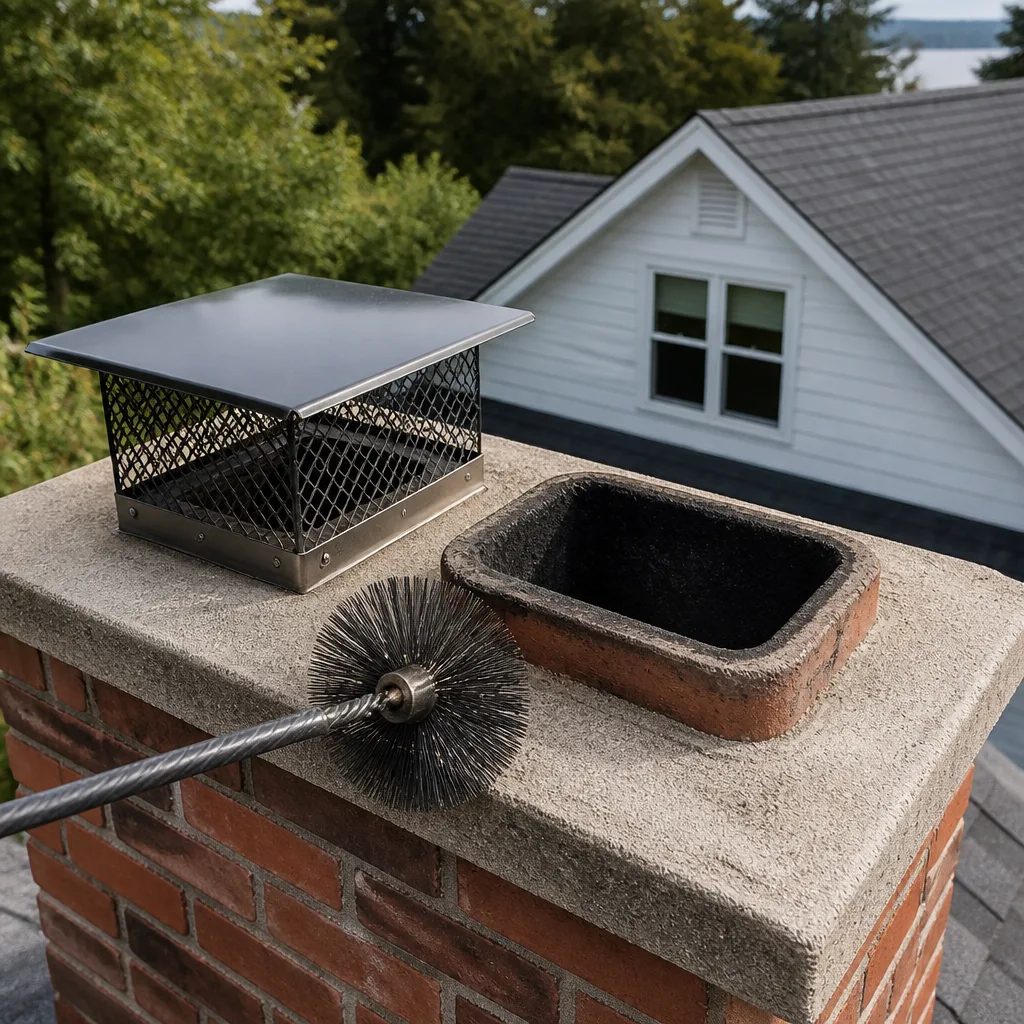
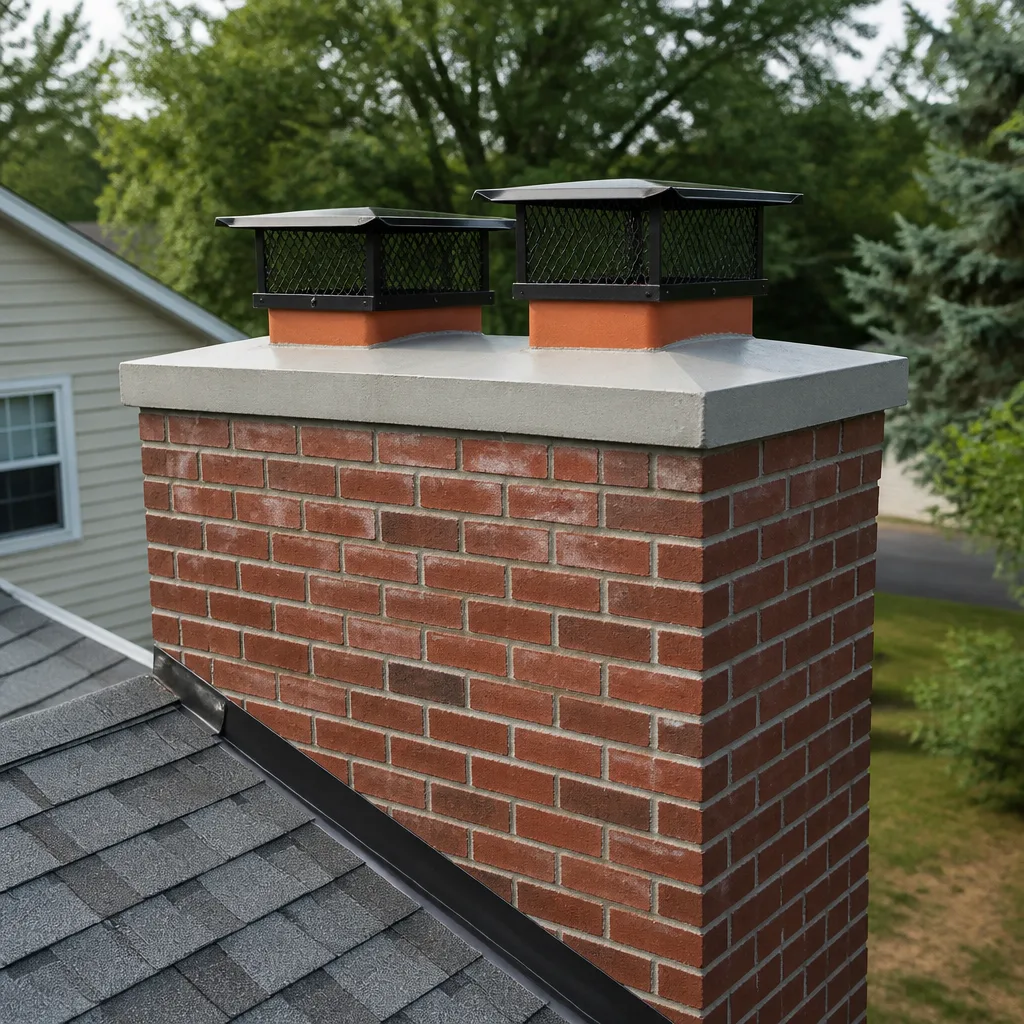
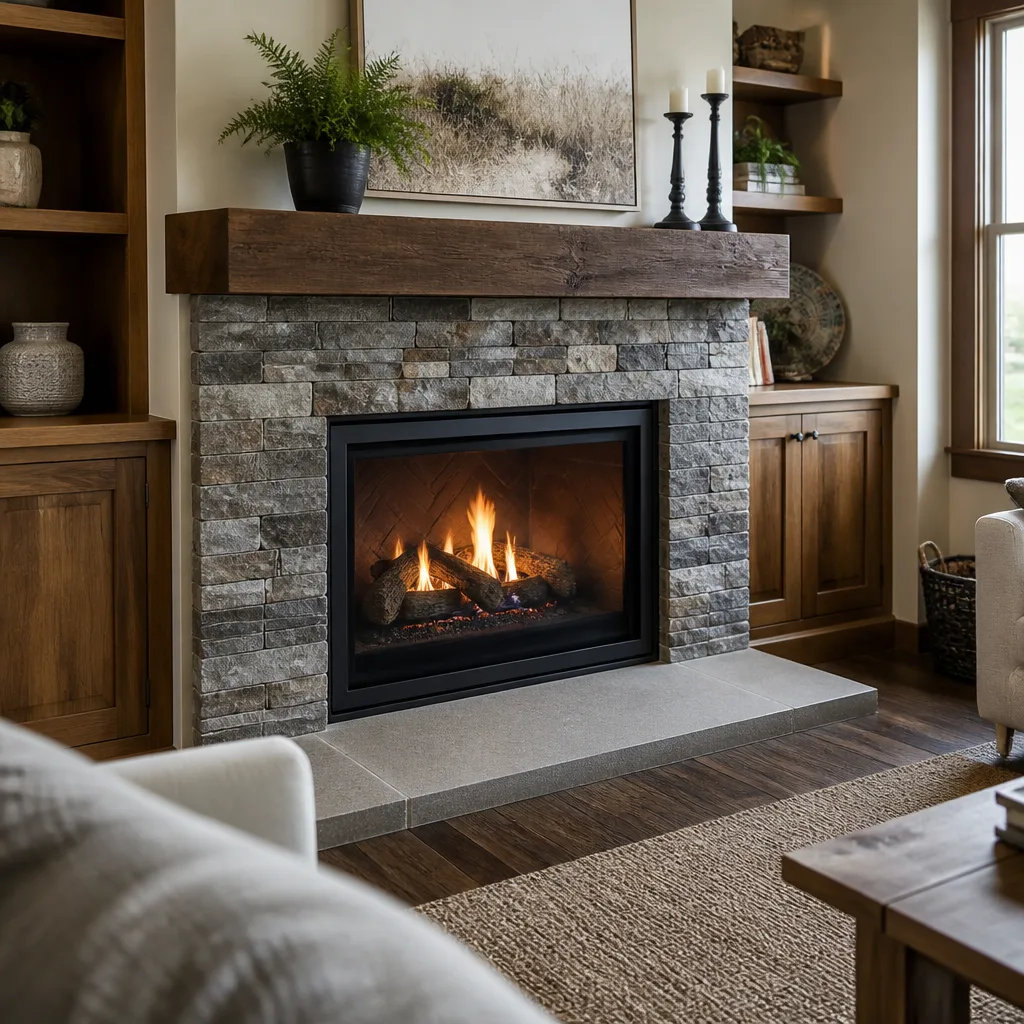
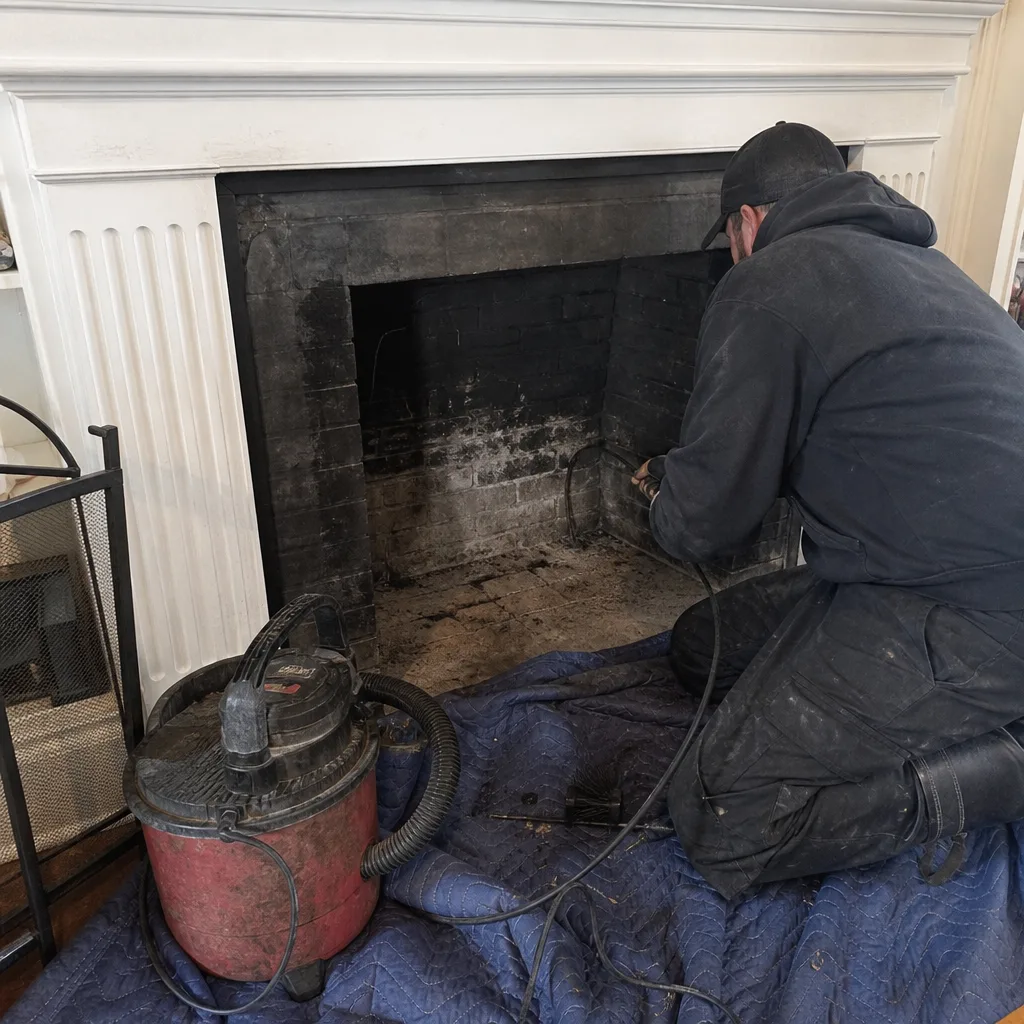 Before
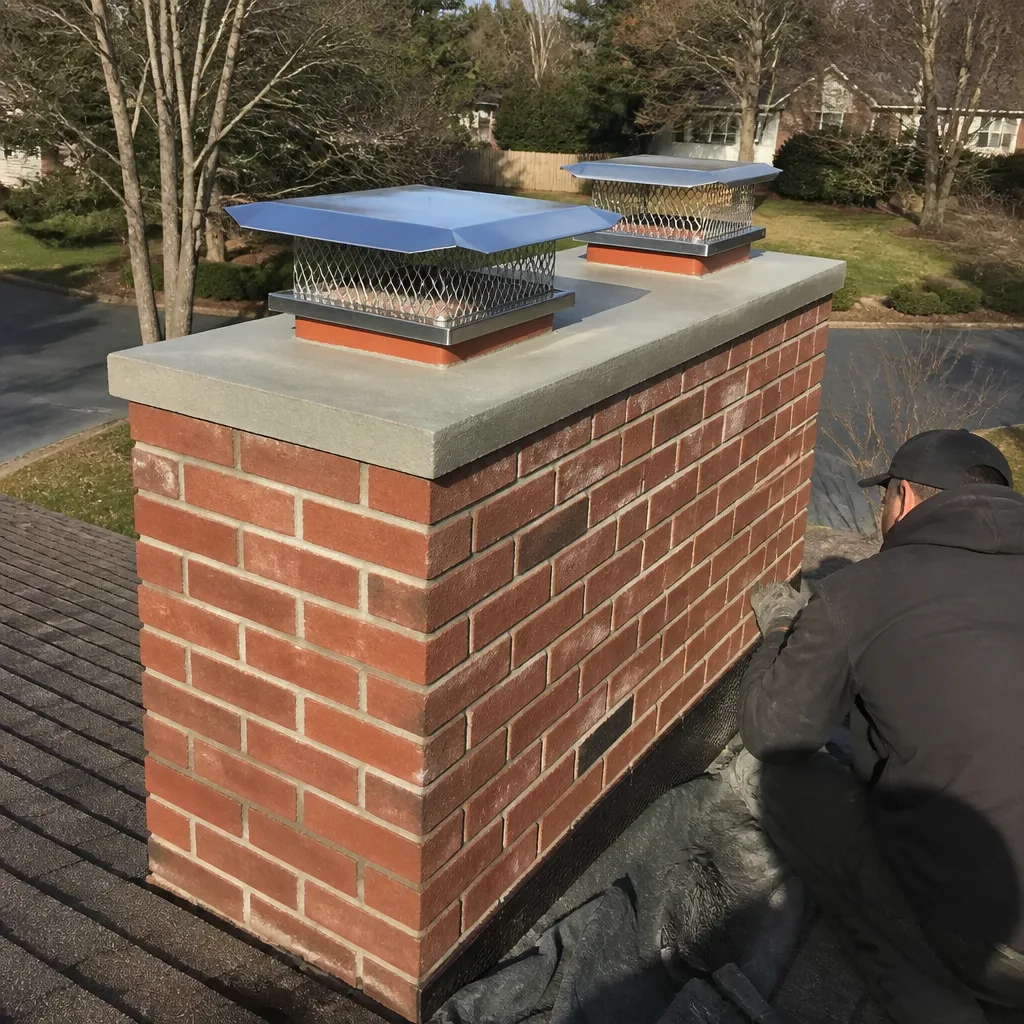 After
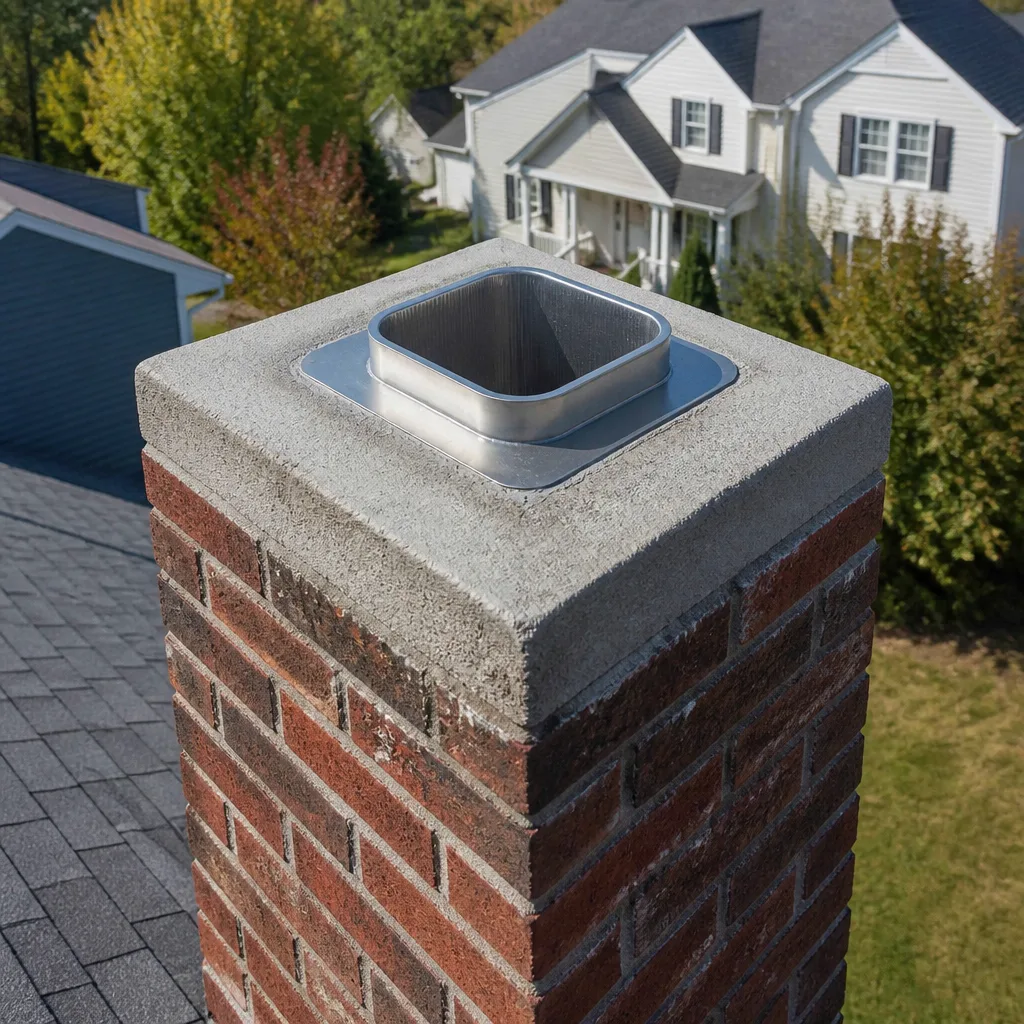
After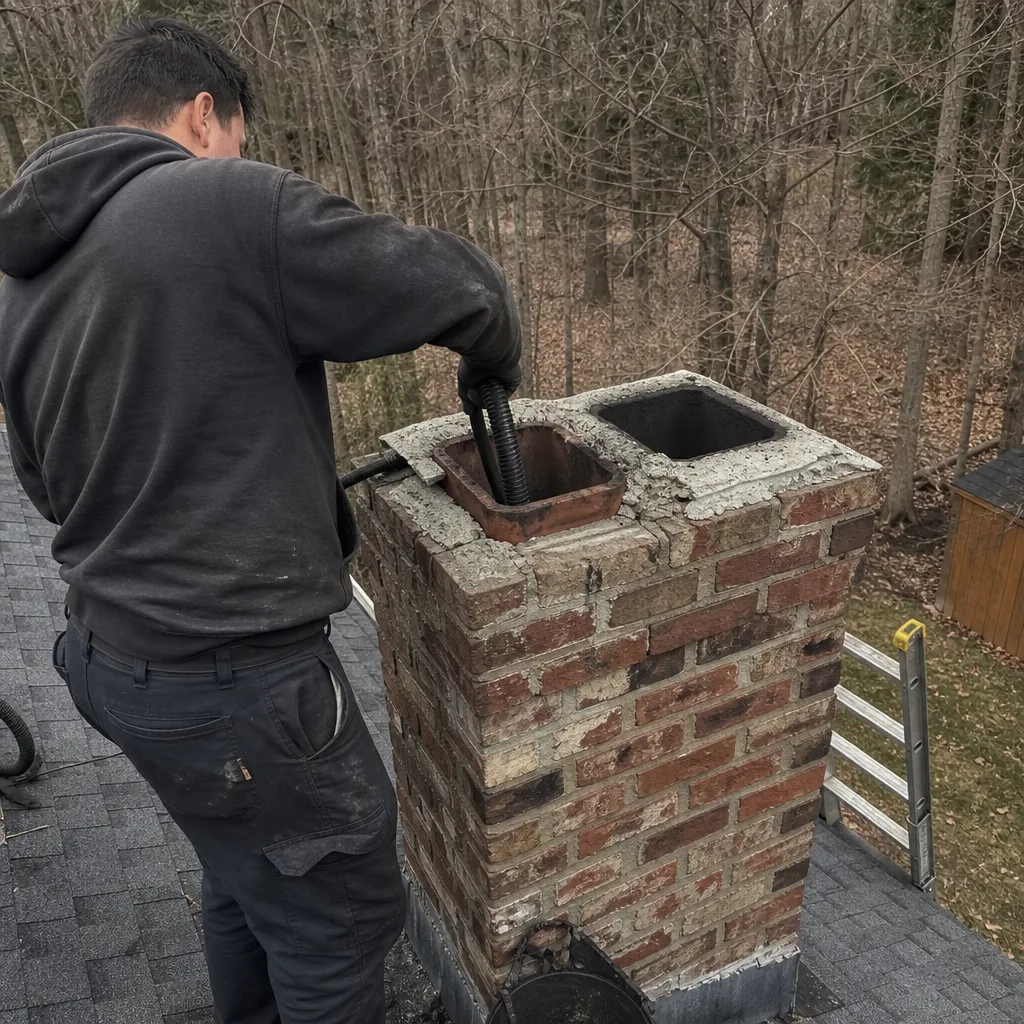 Before
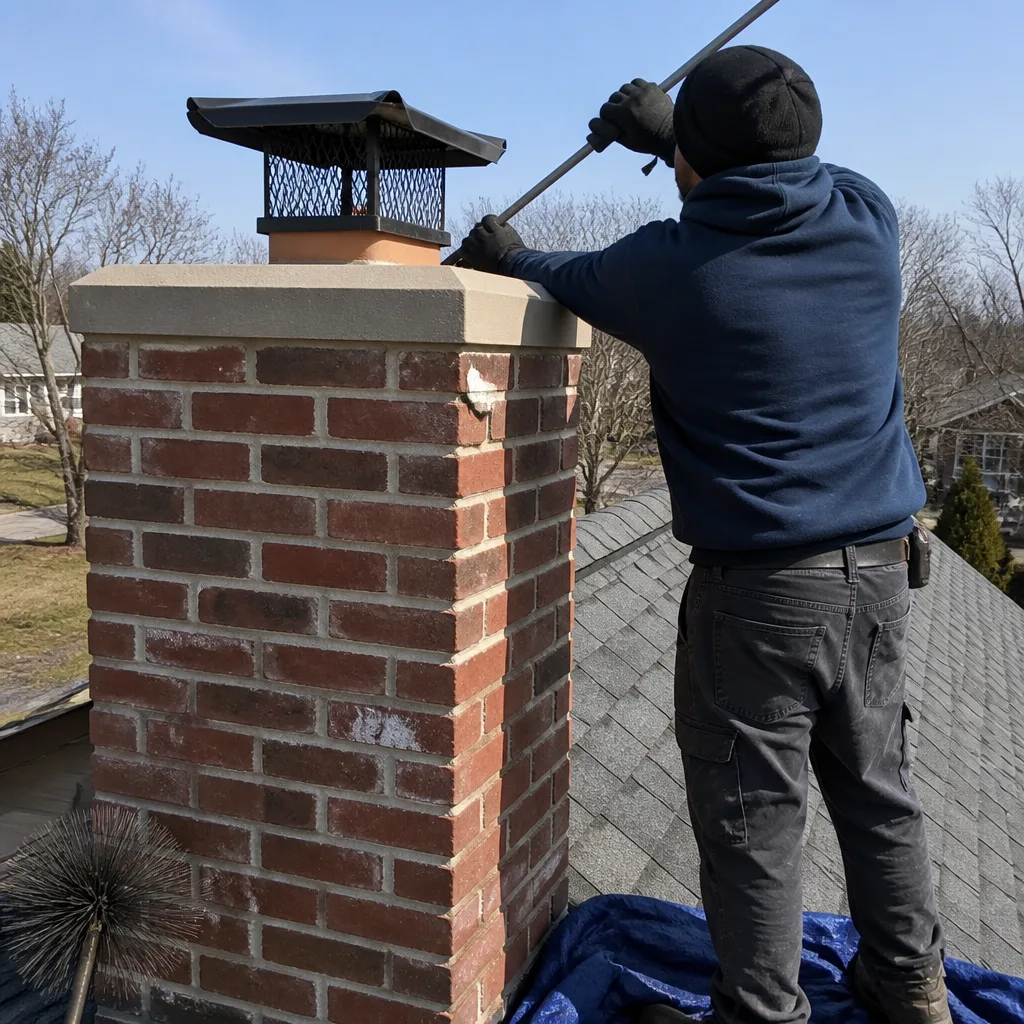 After
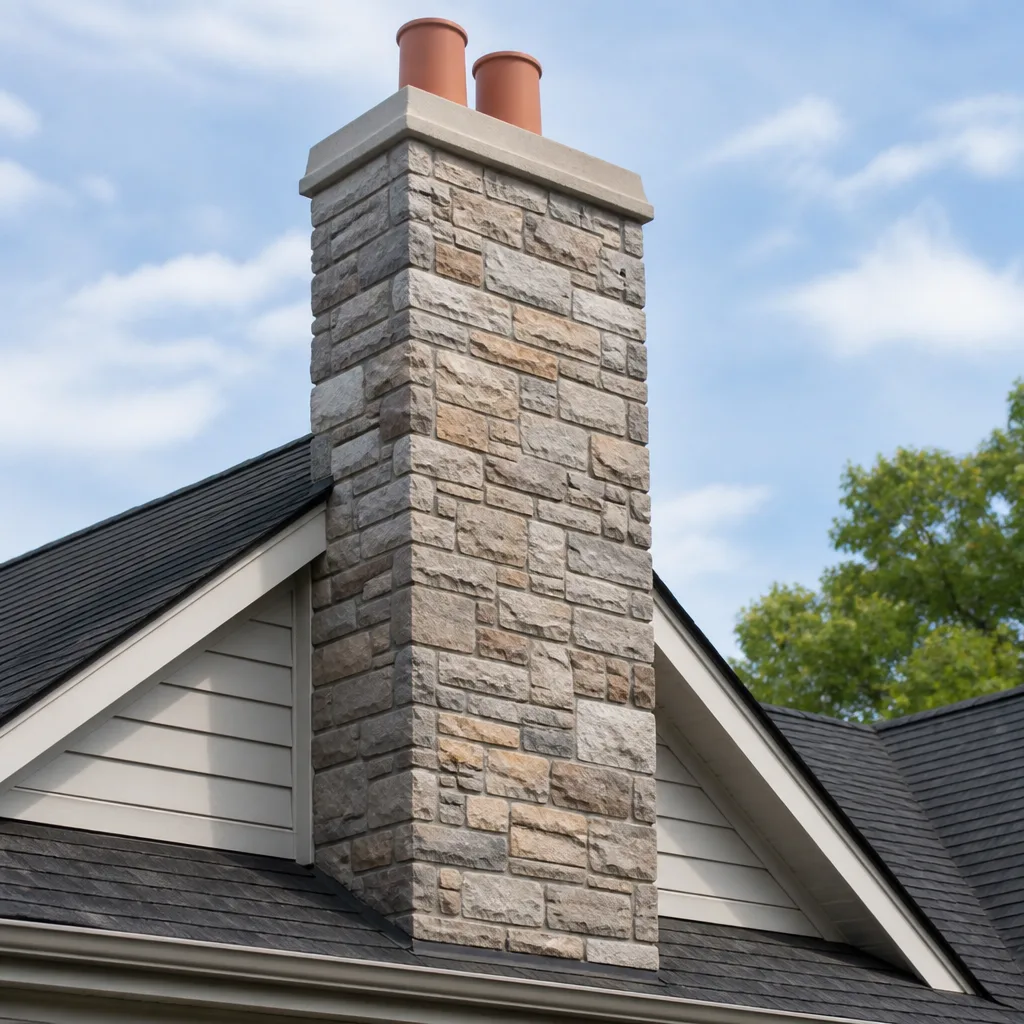
After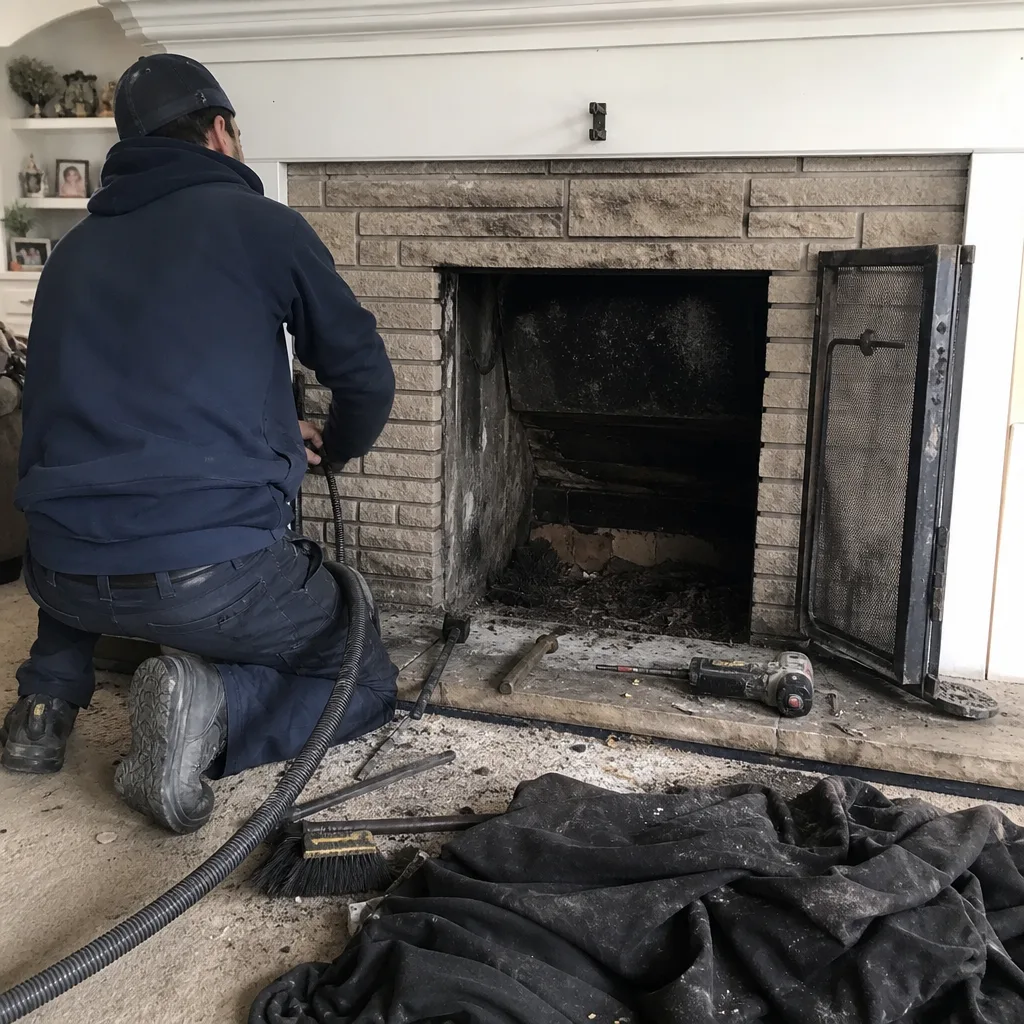 Before
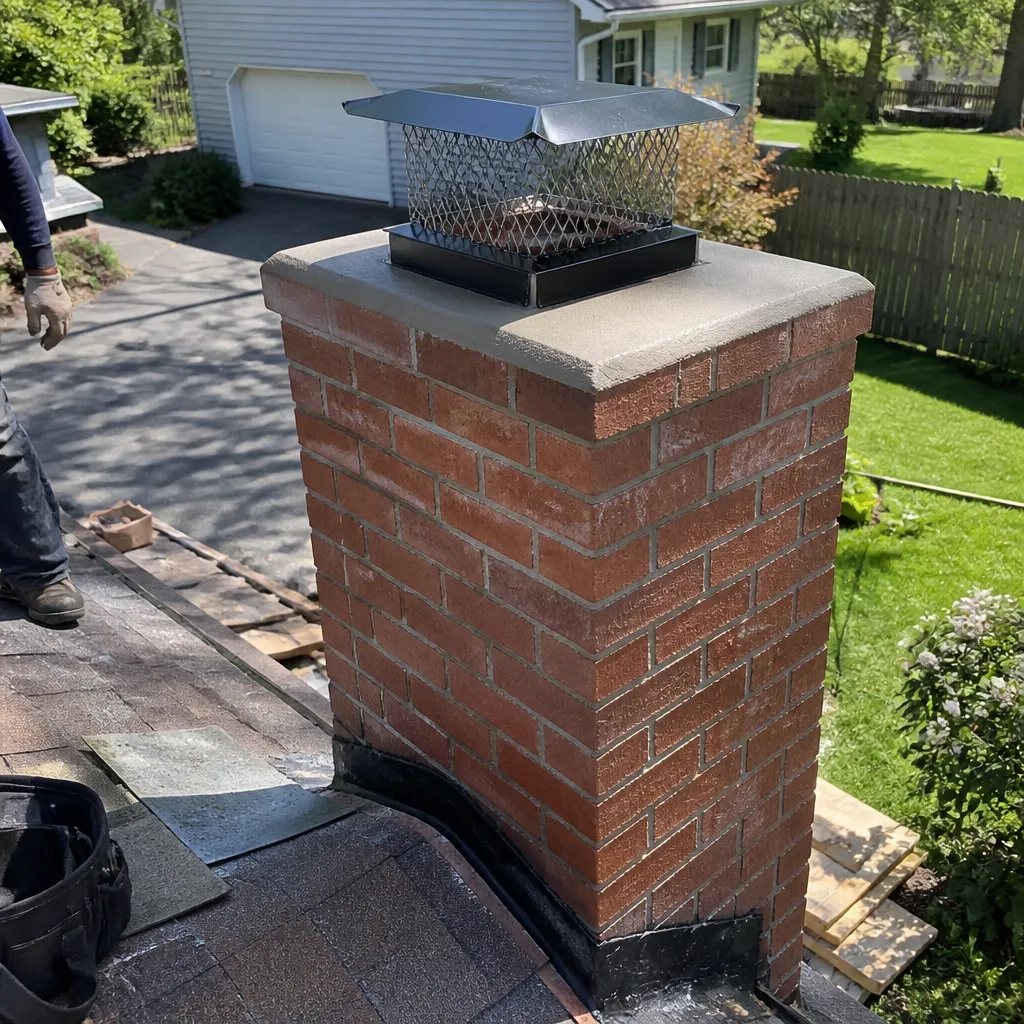 After
AfterChimney Cleaning Cost Breakdown: The Jamesburg Homeowner’s Reference for 2026
A $49 chimney cleaning deal isn’t a deal. It’s a foot in the door. In Jamesburg, a legitimate standard sweep with a Level 1 inspection runs between $150 and $250, and if someone quotes you half that on the phone, the business model is to make it up once they’re standing in your living room. This guide-along with our Chimney Cleaning & Sweep Maintenance Checklist for Jamesburg Homeowners-unpacks what every line item on a chimney quote actually means, what it should cost in the Jamesburg market in 2026, and how to tell the difference between a real problem and a sales tactic. You’ll leave knowing exactly what you’re paying for, what you can skip, and what you shouldn’t.
Quick Answer
A standard chimney sweep with a Level 1 inspection in Jamesburg, NJ costs between $150 and $250 in 2026. Basic sweeps without inspection start around $100 to $130, while homes with heavy creosote buildup, difficult roof access, or oil-fired systems can run $260 to $350. Most homeowners in the Jamesburg area pay $180 to $220 for a sweep and inspection together, which is what we recommend as the baseline.
Table of Contents
- The Real Line-Item Breakdown: What a Sweep Covers vs. What an Inspection Adds
- Legitimate Cost Variables in Jamesburg vs. Invented Ones
- What Chimney Repairs Actually Cost in Middlesex County in 2026
- How to Read a Written Quote and Spot the Language That Gives Contractors Room to Add Charges
- Why Paying More Upfront for an Experienced Local Sweep Is Usually the Lower-Cost Decision
- When to Pay for Add-Ons and When to Say No
- Common Mistakes to Avoid
- When to Call a Professional
- Frequently Asked Questions
- The Bottom Line
The Real Line-Item Breakdown: What a Sweep Covers vs. What an Inspection Adds
The reason chimney cleaning pricing feels like a shell game is that a sweep and an inspection are two different services, but most companies bundle them and call the bundle a “cleaning.” A sweep is physical work: removing creosote, soot, and debris from the flue. An inspection is a professional assessment of the chimney’s condition, performed with a flashlight or camera at three different levels of depth. The confusion starts when a company quotes $99 for a “cleaning” on the phone, then arrives and says the inspection is another $200, or vice versa.
Here’s what a standard sweep in Jamesburg should actually include, line by line:
- Flue brushing: The sweep runs a correctly sized wire or poly brush up and down the full length of the flue to dislodge creosote and soot. This is the core of the job and should take 45 to 90 minutes on a standard masonry chimney.
- Drop cloths and dust protection: A professional lays down canvas or plastic around the fireplace opening and runs a HEPA-filtered vacuum during the process. If a company doesn’t mention dust control, that’s a warning sign, not a savings.
- Firebox cleaning: The area behind the grate gets shoveled and vacuumed out. This should be automatic, not an upsell.
- Smoke chamber inspection: The section between the firebox and the flue catches debris from both directions. A thorough sweep checks it visually and removes what’s reachable.
- Chimney cap check: The cap at the top of the flue needs to be clear of debris and securely attached. A basic check is part of the sweep; replacement is a separate line item.
- Basic damper check: The sweep confirms the damper opens, closes, and seats properly. Adjustment or replacement costs extra.
Now, the inspection part. A Level 1 inspection is what gets bundled with most sweeps. It covers the accessible portions of the chimney: the flue interior, the firebox, the smoke chamber, the damper, and the exterior visible from the ground or roof where the sweep is already working. It’s a visual verification that nothing has changed since the last service and there are no obvious obstructions or damage. A Level 2 inspection adds video scanning of the flue interior and is required when you buy or sell a home, after a chimney fire, after an earthquake or severe weather event, or when changing fuel types. For details on local requirements, see Chimney Cleaning Permits, Codes & Inspections in NJ: What You Need to Know. A Level 3 inspection involves removing parts of the chimney structure to access hidden areas and is rarely needed unless serious damage is suspected.
In practice, nearly every chimneysweep in the Jamesburg area bundles a Level 1 inspection with a standard sweep as one price. When you see a quote for “$199 sweep and inspection,” that’s the honest version of what most homes need. When you see “$99 sweep” with no mention of inspection, the inspection is coming as a surprise line item.
For a closer look at what our standard service includes, see our Chimney Cleaning & Sweep in Jamesburg page.
Legitimate Cost Variables in Jamesburg vs. Invented Ones
Not every price variation is a trick. Five factors legitimately affect what a sweep costs in the Jamesburg area. And then there are the variables salespeople invent to justify padding a quote. Knowing the difference saves you money.
Legitimate variables:
- Fireplace type: A standard masonry fireplace with a clay tile liner is the least expensive to clean. Prefabricated metal fireplaces and wood stoves require different tools and more care, often adding $20 to $50. Oil-fired furnaces vented through a chimney add $30 to $80 because the process is different and the soot is different.
- Liner material: Clay tile liners are straightforward. Stainless steel liners, like those from Top Hat Chimney home installations, need a gentler brush and more time, but a professional should not charge dramatically more for them. If the quote triples because of a steel liner, ask why.
- Last cleaning date: This is the big one. A chimney cleaned within the last 12 months is a quick job. A chimney that hasn’t been touched in five years has creosote buildup that takes twice as long to remove. First-degree creosote is a brush job. Third-degree is a glaze. Catch it early and you pay for an hour. Wait and you pay for three.
- Accessibility: Pitch of the roof, height of the flue above the roofline, and whether there’s safe ladder placement all affect the time. A chimney on a steep roof in an older Jamesburg neighborhood with narrow side yards takes longer to get to than one on a gentle pitch with a clear driveway. This is real work and a real cost difference, but it should be explained, not waved at vaguely.
- Animal removal: If a raccoon or squirrel has made a home in the flue, removal is a separate service, often involving a wildlife specialist. In the woodland-adjacent parts of Middlesex County, this is common enough that we see it every few weeks in spring.
Invented variables to watch for:
- “Premium creosote treatment” that costs $150 and is really a spray bottle of powder. Real glazed creosote removal is a legitimate upcharge, but it involves actual chemical application and multiple visits. Ask what the treatment is, by name.
- “Required” camera inspection every year. A Level 2 video scan is valuable after a chimney fire or before a home purchase. It is not an annual requirement for a chimney with no symptoms. If you’re told you need it every year, that’s a sales script.
- “Brush fee” or “equipment fee” tacked on as a line item. The brush is the job. That’s like a barber charging a scissors fee.
- “Firebox sealant” as a mandatory add-on. There are situations where refractory cement is appropriate, but a chimney that has been firing normally does not need an annual sealant application. If the firebox has visible cracks, that’s a chimney repair in Jamesburg issue, not a cleaning add-on.
- “Multi-flue discount” that still prices out higher than two separate sweeps. Some homes in Jamesburg have two flues sharing one chimney. That’s two sweeps. It should cost less than two full jobs because the rooftop work happens once, but not dramatically less. Do the math.
The rule we tell every homeowner is simple: if a variable affects the time, the tools, or the safety of the job, it’s real. If it only affects the invoice, it’s invented. Once a year, burn or no burn. Chimneys break in the off-season too, and the off-season is when the invented charges come out.
What Chimney Repairs Actually Cost in Middlesex County in 2026
Half the quotes we look at from other companies are cleaning quotes with repair charges bolted on. The only way to know if a repair price is fair is to know what repairs actually cost in this market before someone hands you a number. Here are the 2026 reference ranges for Middlesex County, based on what we see weekly on the job:
- Chimney cap replacement: $150 to $400, depending on whether it’s a standard stainless cap or a custom-sized copper model. A fireplace service in Jamesburg that includes cap replacement should never run more than the high end unless the flue is an unusual size.
- Damper repair or replacement: $120 to $300 for a throat damper. Top-sealing dampers, which are more efficient, run $400 to $700 installed.
- Crown repair: $300 to $800 to patch and reseal a cracked concrete crown. Full crown rebuilds run $1,000 to $2,000 depending on access.
- Flashing repair: $250 to $600 for standard step or counter flashing around the chimney base where it meets the roof. Full replacement on a complex roofline can hit $1,200.
- Repointing (tuckpointing): $20 to $35 per square foot of masonry surface for mortar joint repair, with most partial repointing jobs in Jamesburg landing between $800 and $2,500 depending on height and access.
- Stainless steel liner installation: $2,500 to $6,000 for a full reline, including the liner itself, insulation, and installation. We install and service liners from DuraFlex and HeatShield, and the material cost is a small fraction of the total; most of what you’re paying for is the labor of getting it in and securing it properly.
- Firebox rebuild: $1,500 to $4,500 depending on the extent of masonry replacement needed.
- Full chimney rebuild from the roofline up: $5,000 to $12,000. This is a major structural job, not a repair, and it should be quoted as such.
These numbers assume a standard single-family home in the Jamesburg area with normal roof access. Steep roofs, three-story chimneys, and tight lot lines will push toward the high end. If a quote comes in below these ranges, ask what’s being left out. If it comes in far above, ask for the camera footage to prove the work is needed.
How to Read a Written Quote and Spot the Language That Gives Contractors Room to Add Charges
The difference between a quote you can hold a company to and one that’s really a suggestion comes down to the wording. After 25 years in Jamesburg chimneys, we can tell you the exact phrases that show up on the quotes from companies that plan to change the price at the door.
Step 1: Look for the words “starting at” or “from.” These two phrases mean the number on the page is a floor, not a price. It’s the number they use to get the appointment. The real number comes after they’ve looked at your chimney. Now, it’s true that any price before an inspection is an estimate, but a legitimate company gives you a range and explains the variables. A “starting at” quote gives you a hook.
Step 2: Check for the word “if.” “We’ll clean the flue if access permits.” “We’ll include the firebox if it’s standard size.” “We’ll complete the job if weather allows.” Every “if” is a clause that lets them charge more later for a condition they could have seen from the street. A real sweep drives by your roof on the way to the front door and knows whether access permits before he quotes the job.
Step 3: Look for what’s not listed. A quote that says “chimney cleaning: $99” and nothing else is not a quote. It’s an opener. A legitimate written quote in Jamesburg itemizes at minimum: the sweep itself, the inspection level, any materials, and the customer’s name and address. If the entire job fits on one line, the entire job hasn’t been described.
Step 4: Check for “additional work as needed.” Those four words are a blank check. They mean you’ve agreed to pay for anything the contractor decides is needed once he’s on the roof. A real quote either includes the work or says “if we find X, the additional cost will be $Y, and we will call you before doing it.” You should never see an open-ended obligation on paper.
Step 5: Look for the warranty line. A quote that doesn’t say what happens if the work isn’t right is a quote that doesn’t plan to come back. Our quotes include the 90-Day Done Right Promise in writing: if it’s not done right, one call brings Wendell and his crew back, no additional cost. If the company can’t put their promise in writing, ask yourself why.
One more thing: the number you hear on the phone should be the number on the invoice. We do no-hassle upfront pricing before a single tool comes off the truck. If a company can’t tell you what the job will cost over the phone, they know what it will cost. They just don’t want to say it until they’re in your house.
Why Paying More Upfront for an Experienced Local Sweep Is Usually the Lower-Cost Decision
Here’s the counterintuitive math: the cheapest sweep in Jamesburg is often the most expensive one over a two-year window. A $99 “cleaning” from a company that rotates through a six-county territory and runs a different crew every week costs you more in the long run, and not because of upsells. Here’s why.
- Missed problems compound. A fast sweep that doesn’t inspect means the hairline crack in the flue tile, the loose cap, or the deteriorating crown goes unnoticed for another year. That crack becomes a full liner replacement. It was a $400 repair when it was small. Now it’s $3,000. The $99 sweep didn’t save you $100. It cost you $2,600.
- Re-cleaning costs more than the first cleaning. A rushed job leaves creosote behind. Within six months, you’ve got a second-degree buildup on top of the old first-degree layer. Now you’re paying for a full deep clean at double the normal rate because it’s glazed in places. Two bad cleans cost more than one good one.
- No accountability means no recourse. The national outfits that quote one price on the phone and another at the door are built on turnover. When something goes wrong, the phone rings in a call center three states away, and the person who answers has never seen your chimney. Wendell lives in this community. He’s been serving it since 1999. He runs into you again on Saturday at the hardware store, and he knows it. That accountability is worth more than any discount.
- Local knowledge prevents overpaying for work you don’t need. A sweep who has worked the same Jamesburg neighborhood for two decades knows which chimneys were built with tile liners, which have the Fluegard caps, and which rooflines are trouble. He doesn’t recommend work just because he can’t see the full picture. He’s seen it before.
- Familiarity with your system saves labor hours. Once we’ve cleaned your chimney a few times, we know its quirks. The flue that drafts oddly when the wind comes from the northwest. The damper that sticks in humid weather. That familiarity means each cleaning takes less time, and less time on the roof is less cost on the invoice.
The point isn’t that you should never save money. It’s that the savings has to come from the right place. A fair price for honest work, not a discounted price for incomplete work. Ask anyone on your street. In Jamesburg, the homeowners who have been here a while know who does the job right, and they don’t choose the $99 crew twice.
When to Pay for Add-Ons and When to Say No
Not every recommendation from a chimney professional is a sales pitch. Some add-ons are genuinely worth paying for, and turning them down costs you more later. The skill is knowing which is which. Here’s a plain-language guide.
Pay for these without hesitation:
- Chimney cap replacement when yours is missing or rusted through. A cap keeps rain, animals, and debris out of the flue. In Jamesburg’s wet springs and busy squirrel season, a missing cap is a problem that compounds. A basic stainless cap is $150 to $300, and it’s the cheapest insurance you’ll ever buy for your chimney.
- Flashing repair when there’s a visible leak. Water coming in around the chimney base stains ceilings, rots roof sheathing, and damages masonry. A $300 flashing repair prevents a $3,000 repair. This is never a sales tactic; it’s visible from the ground and verifiable inside the attic.
- Crown repair when the crown is cracking. The crown is the concrete cap on top of the chimney. When it cracks, water gets into the masonry, freezes in winter, and breaks the chimney apart from the inside. Middlesex County winters are hard on crowns. If a sweep shows you a cracked crown and quotes a repair, believe him.
- Level 2 camera inspection after a chimney fire. If you’ve had a chimney fire, even a small one, the flue needs a camera scan to check for hidden damage. The fire may have cracked the liner in a spot you can’t see. The $200 to $400 for the scan is the only way to know if the chimney is safe to use, and using it without the scan is a carbon monoxide risk. Pay for it.
Push back on these:
- Annual “waterproofing” treatments. Good chimney waterproofing is a real thing: a breathable siloxane sealer applied to brick that repels water while letting the masonry release moisture. But it lasts five to ten years. If a company recommends it every year, they’re selling a bottle, not a service.
- “Upgraded” caps when yours is fine. A standard stainless cap does the job. A copper cap is prettier, but if your current cap is intact and functional, you’re paying for aesthetics. If you want it, that’s fine. Just know that’s what it is.
- Liner replacement without camera evidence. This is the big one. A liner replacement is a $2,500 to $6,000 job, and it’s sometimes necessary. But you should never agree to it based on someone’s verbal opinion. The camera footage and a plain-English verdict, every time, no exceptions. If a company won’t show you the video, it’s because the video doesn’t show what they’re claiming.
- “Emergency” work the same day they knock. A knock on the door from a chimney crew that happened to be “in the neighborhood” and noticed your chimney needs work is not a service. It’s a solicitation. Legitimate chimney companies in Jamesburg don’t go door to door. If someone’s at your door with a ladder and a quote, send them on their way and call the company you know.
The test for any add-on is whether the person recommending it can show you the problem in a way you can understand. A real find comes with a picture, a camera feed, or a visible crack you can see for yourself. A sales tactic comes with pressure and a deadline. Your flue doesn’t care how the fire looks. It cares how it breathes. And a good sweep will show you exactly how it’s breathing before he asks you for a dollar.
Common Mistakes to Avoid
- Mistake: Choosing a company based on the phone quote alone. The phone quote is the hook, not the price. The only number that matters is the one on the written estimate. Get the quote in writing before the work starts, and if a company won’t put the price in writing, find one that will.
- Mistake: Skipping the annual sweep because you didn’t burn much last winter. Creosote doesn’t care how many fires you had. That damp, humid Jamesburg summer built up a new layer even if the fireplace sat cold. Once a year, burn or no burn. Chimneys break in the off-season too.
- Mistake: Not asking about the inspection level. A sweep without an inspection is a vacuum job, not a chimney service. If the quote doesn’t specify that a Level 1 inspection is included, it isn’t, and you’re paying to have your flue brushed blind.
- Mistake: Paying for repair work without seeing the damage. Any repair recommendation over a few hundred dollars should come with visual evidence. The camera footage and a plain-English verdict, every time, no exceptions. If a company can’t show you the crack, the rust, or the missing mortar, the problem may not exist.
- Mistake: Letting a handyman ‘check’ the chimney while doing other work. A roofer who says “your chimney looks fine” while he’s up there replacing shingles is not a chimney inspection. He’s a roofer who glanced at a chimney. Chimney work is a specialty, and the people who do it are trained in what to look for.
- Mistake: Waiting until October to book. The first cold snap of fall sends every homeowner in Jamesburg to the phone at once. The sweeps are booked solid for weeks. Book in late summer or early fall, before the rush, and you’ll get the appointment you want instead of the one that’s left.
- Mistake: Not asking about the warranty before the work begins. If a company can’t or won’t say what happens if the job isn’t done right, you have no recourse. Every job we complete carries the 90-Day Done Right Promise in writing, and we’re happy to show you the exact language before a single tool comes off the truck.
When to Call a Professional
Some situations are not DIY territory, and some are not wait-and-see territory either. Call a professional sweep if you smell smoke in the house after the fire is out, if you see dark staining on the chimney exterior or the walls around the fireplace, if you hear animals in the flue, if your smoke detector triggers every time you light a fire, or if you haven’t had the chimney cleaned in more than 24 months. These are not normal operating conditions; they’re symptoms of a blockage, a draft problem, or a structural issue. A blocked flue is a carbon monoxide risk, and that is a safety issue, not a maintenance issue. Top Hat Chimney offers free estimates in Jamesburg. Call (609) 905-5820 and a live person answers, around the clock. If it’s Wendell himself picking up, he’ll talk you through it on the phone before anyone schedules a visit.
Frequently Asked Questions
A standard chimney sweep with a Level 1 inspection in Jamesburg costs between $150 and $250, with most homeowners paying $180 to $220. Basic sweeps without inspection run $100 to $130, and homes with heavy buildup or difficult access can reach $350. Call (609) 905-5820 for an exact quote, because roof pitch and flue height affect the final number.
Yes, even if you only burned a few fires. Creosote builds up with every burn, and a humid Jamesburg summer adds a new layer even when the fireplace is cold. A chimney that goes two years between cleanings is a chimney with second-degree creosote, which costs more to remove and increases the risk of a chimney fire.
It’s real as a starting point, not as a total price. A $99 “cleaning” typically covers only the most basic brushing, with inspection, firebox work, and often the cap check billed separately once the technician arrives. In the Jamesburg market, a full sweep with inspection costs $150 to $250, so a $99 phone quote means the rest of the cost is coming later.
Only if the existing liner is cracked, crumbling, or missing entirely, and you should never agree to a liner replacement without seeing camera footage of the damage. A stainless steel liner from DuraFlex or HeatShield costs $2,500 to $6,000 installed in Jamesburg, so this is a decision that deserves visual proof, not a verbal recommendation.
A Level 1 inspection is a visual check of the accessible parts of the chimney and is included with most standard sweeps. A Level 2 inspection adds video scanning of the flue interior and is required after a chimney fire, before a home purchase, or when changing fuel types. Level 2 runs $200 to $400 in the Jamesburg area.
Compare it to the local reference ranges: $150 to $400 for cap replacement, $250 to $600 for flashing repair, $800 to $2,500 for repointing. If the quote falls outside those ranges, ask for camera evidence of the problem and a written breakdown of the labor. A legitimate sweep in Jamesburg will show you the damage and explain the work in plain English.
It depends on the cause. Damage from a sudden event, like a tree falling on the chimney or a chimney fire, is typically covered, though your deductible applies. Wear and tear, like crumbling mortar or a cracked crown from years of weather, is generally not covered because insurance is for sudden damage, not maintenance. Check your policy, and get a written estimate from a chimney repair company in Jamesburg to submit with your claim.
The Bottom Line
A chimney cleaning in Jamesburg costs $150 to $250 in 2026 for the sweep and Level 1 inspection together, and that price should be in writing before the work starts. Repair costs are predictable: $150 to $400 for caps, $250 to $600 for flashing, $2,500 to $6,000 for liners. The variables that matter are real: roof access, creosote level, fireplace type. The variables that don’t matter are invented to pad the invoice: premium treatments, brush fees, mandatory sealants. An experienced local sweep costs a little more up front and a lot less over two years, because missed problems compound and bad work needs doing twice. Browse more guides & resources to protect your chimney and your budget. Top Hat Chimney has served Jamesburg since 1999 with the same owner answering the phone and the same crew on the roof. Get a free estimate at (609) 905-5820. We’ll show you the camera footage, hand you a plain-English verdict, and put the price in writing before a single tool comes off the truck.
Written by Wendell Pike, Owner at Top Hat Chimney, serving Jamesburg since 1999.