
Last updated September 10, 2026
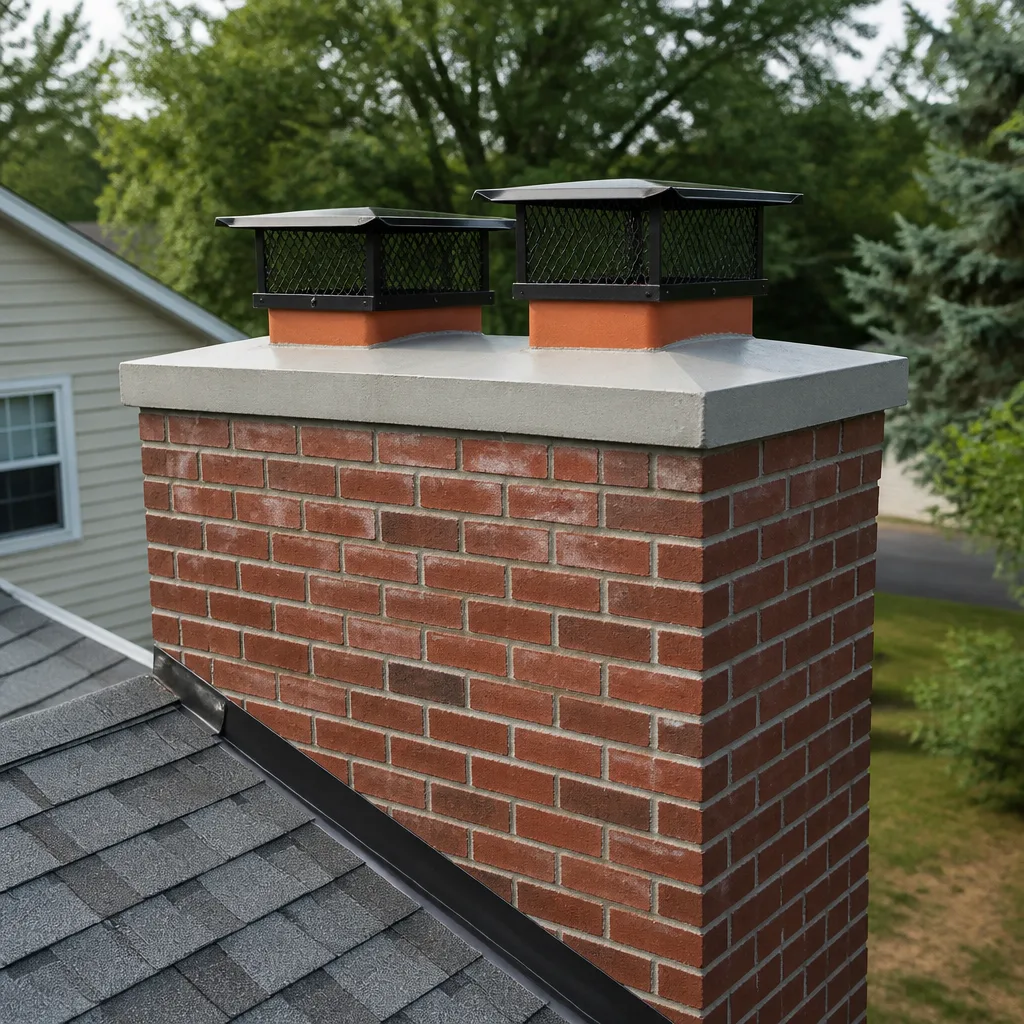
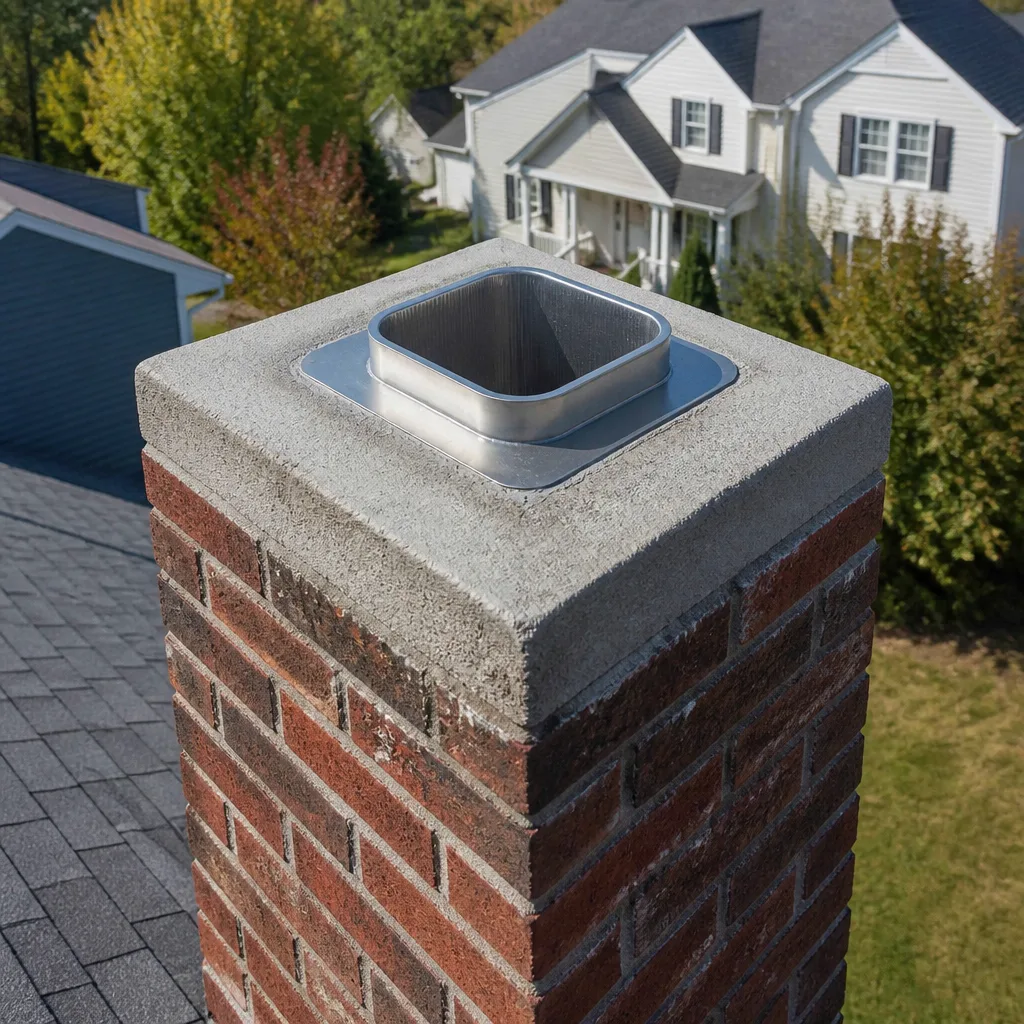
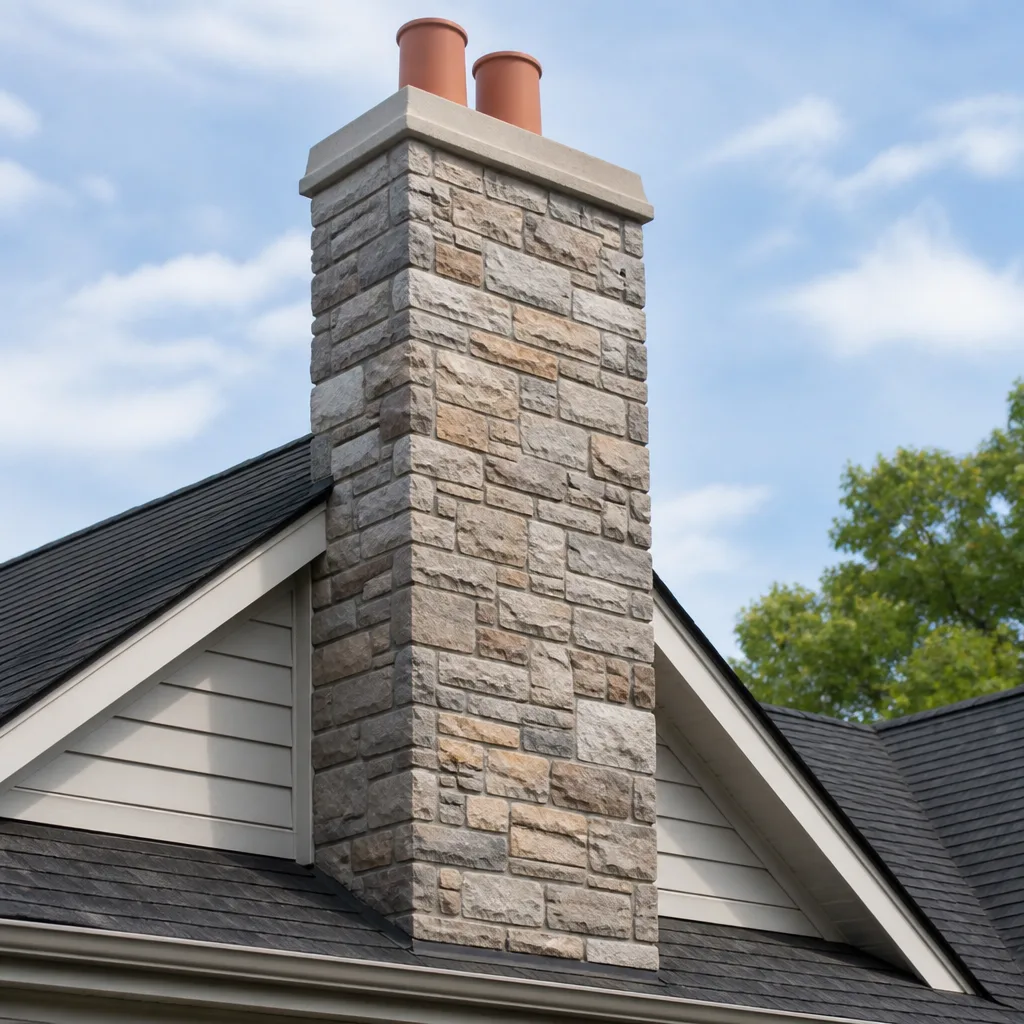
Level 1 sweep and inspection to the NFPA 211 annual standard - flue, crown, cap, and flashing checked and photographed
Chimney sweep logs do not sweep chimneys. They loosen some creosote - which then falls where a brush and vacuum still have to collect it.
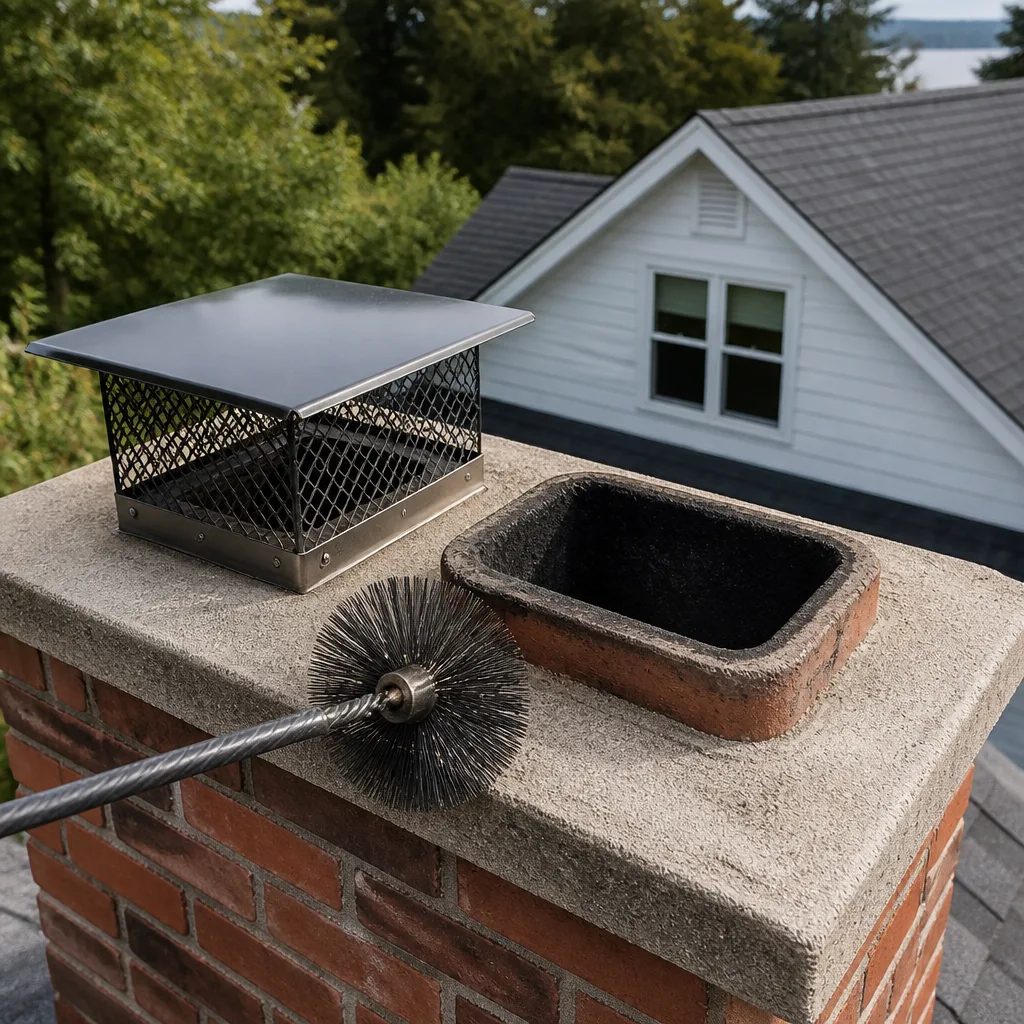
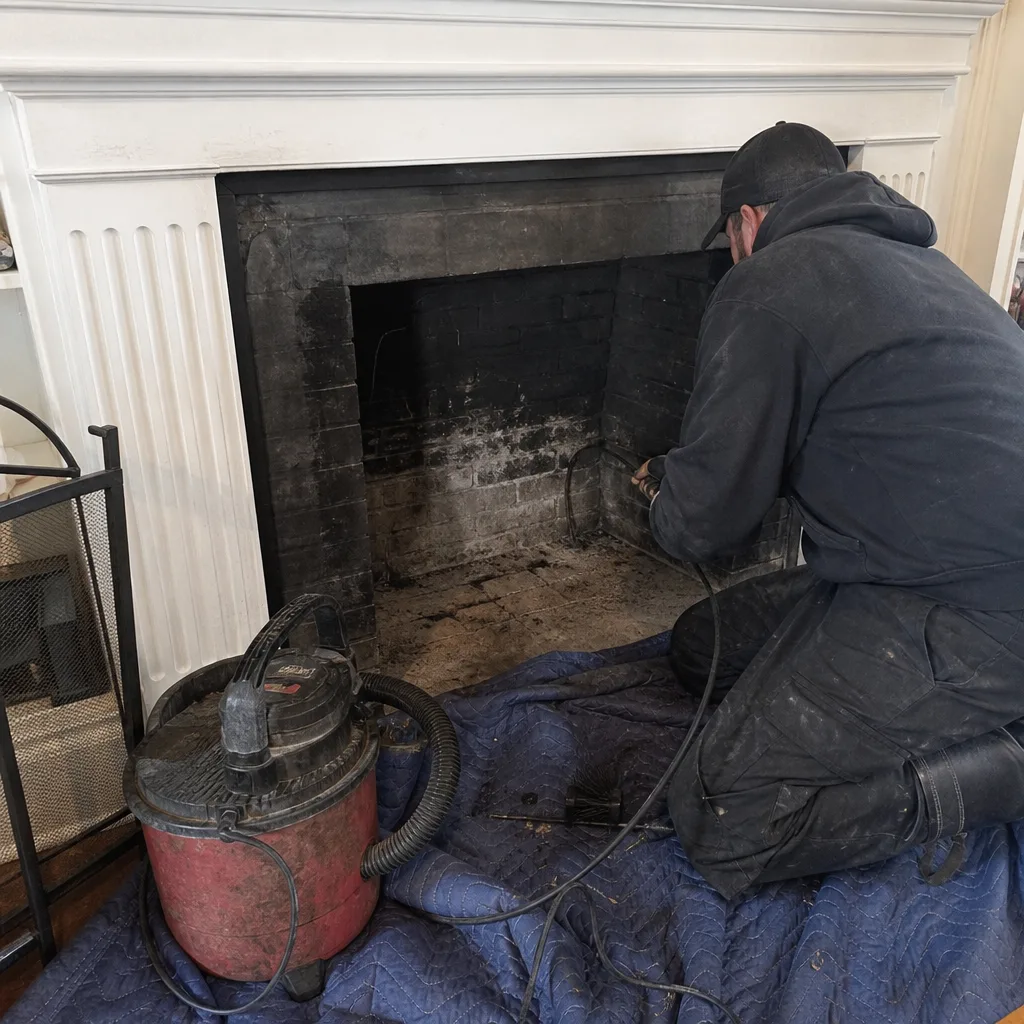 Before
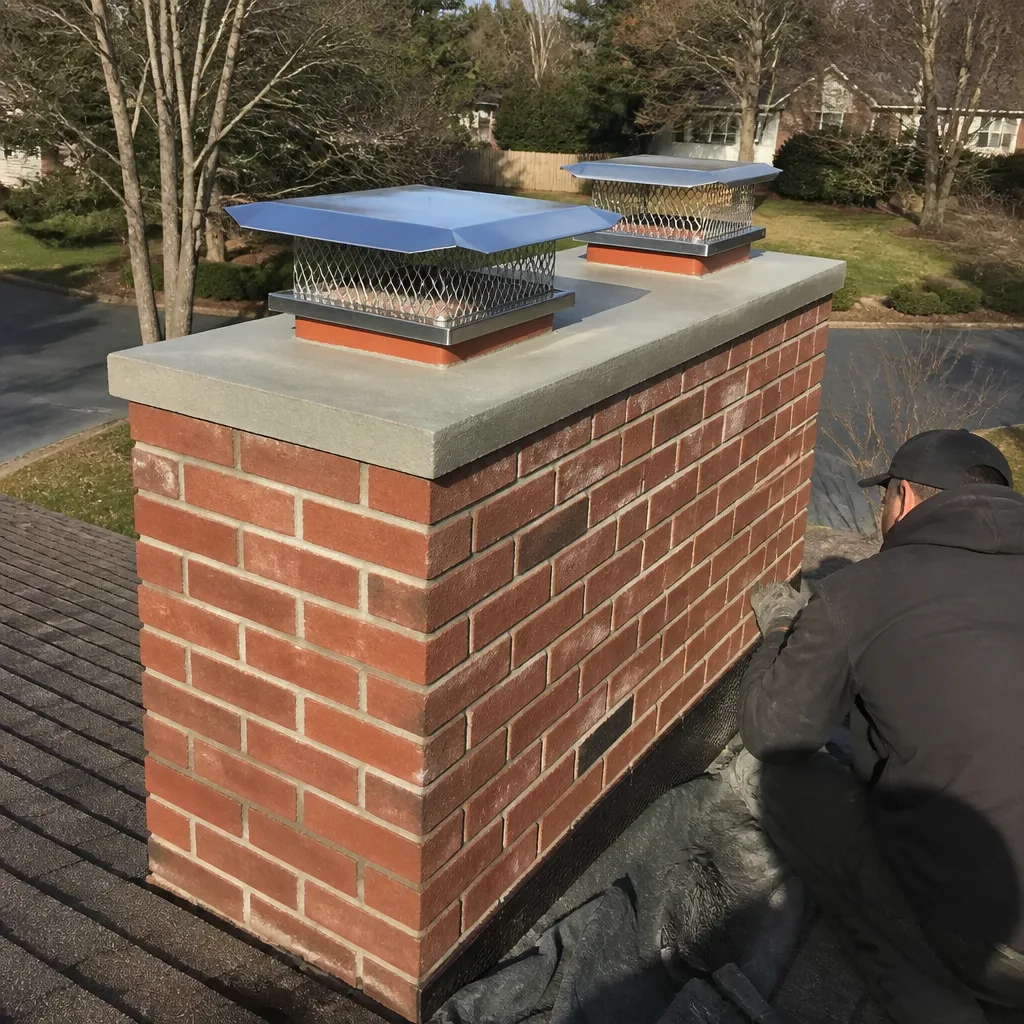 After
After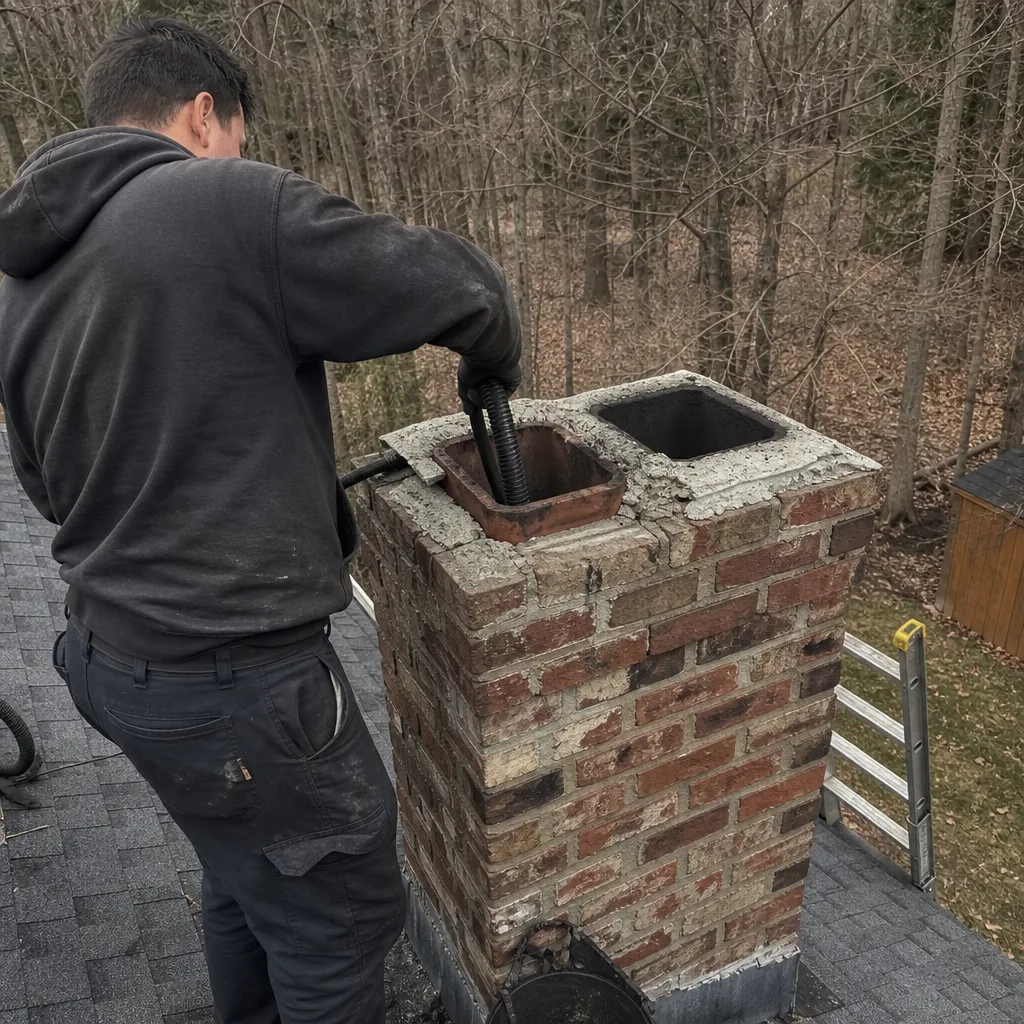 Before
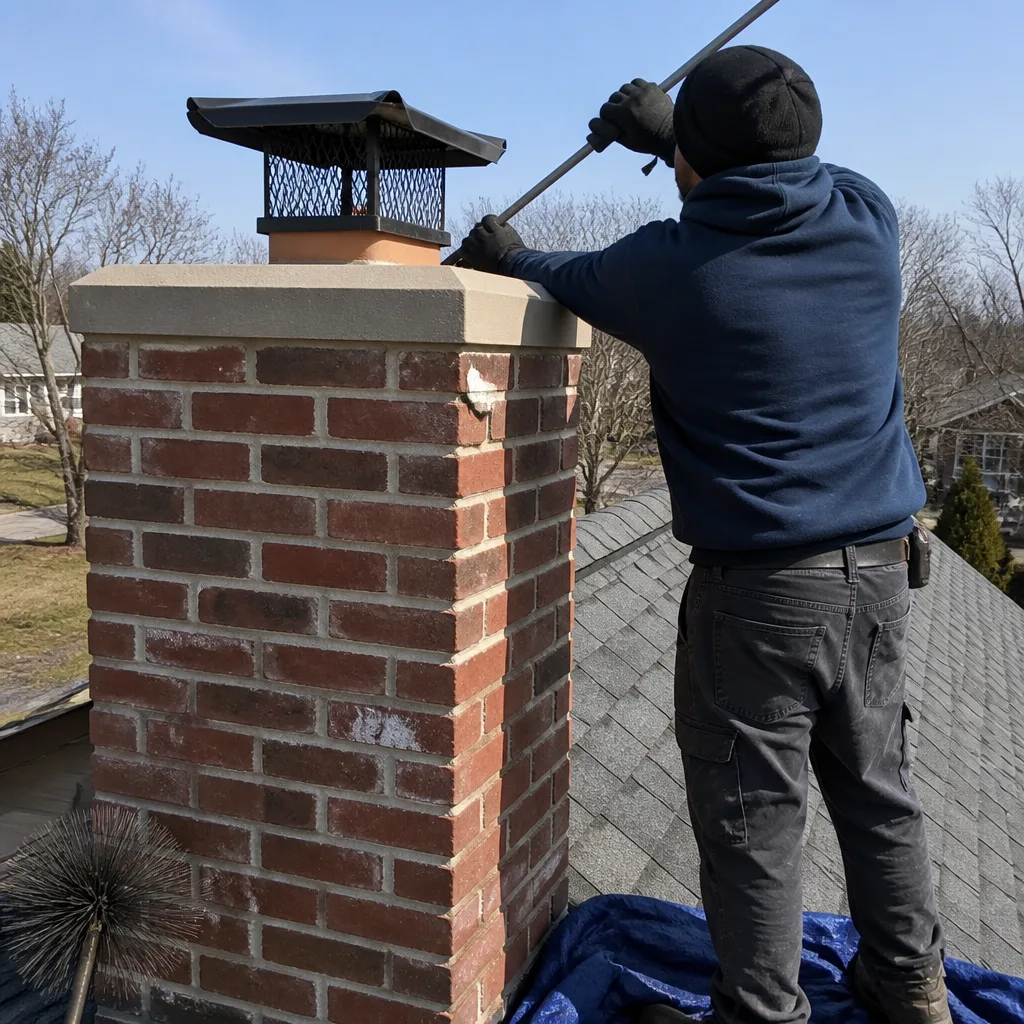 After
After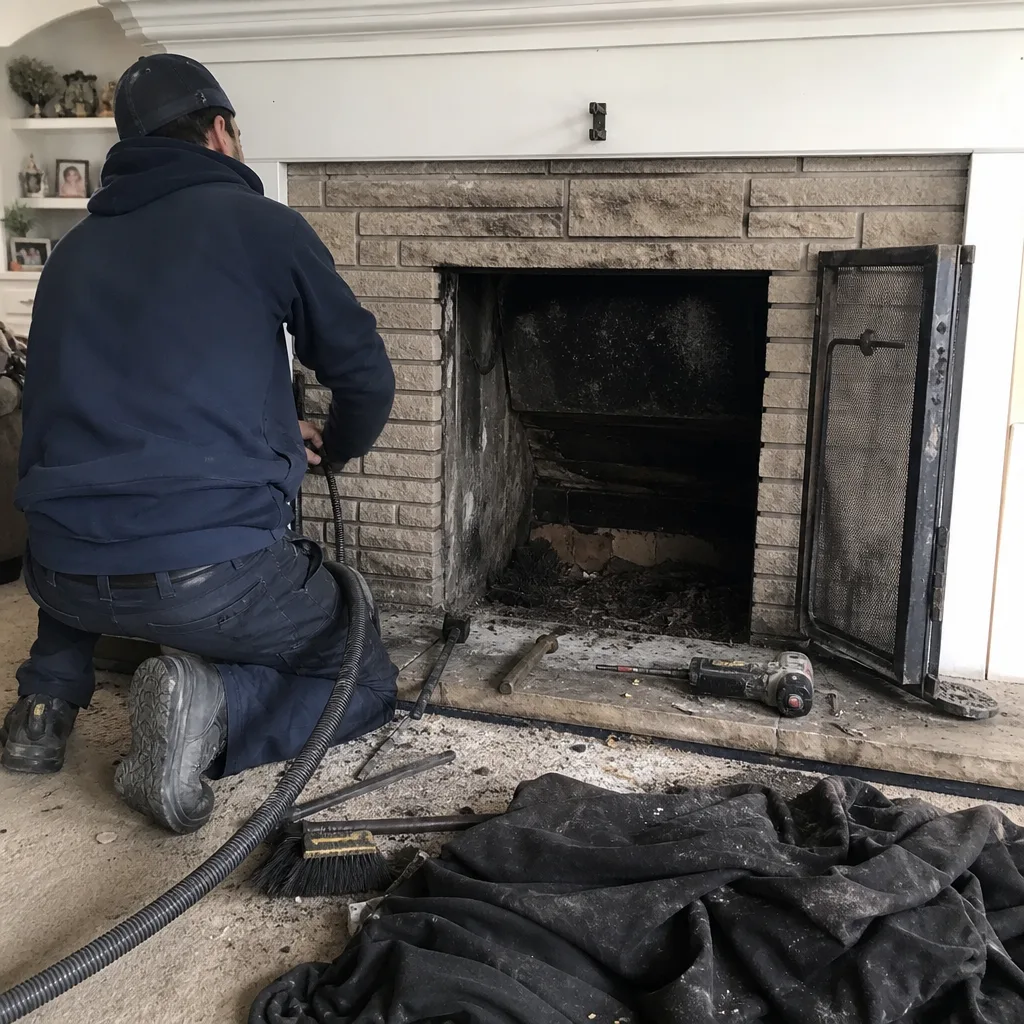 Before
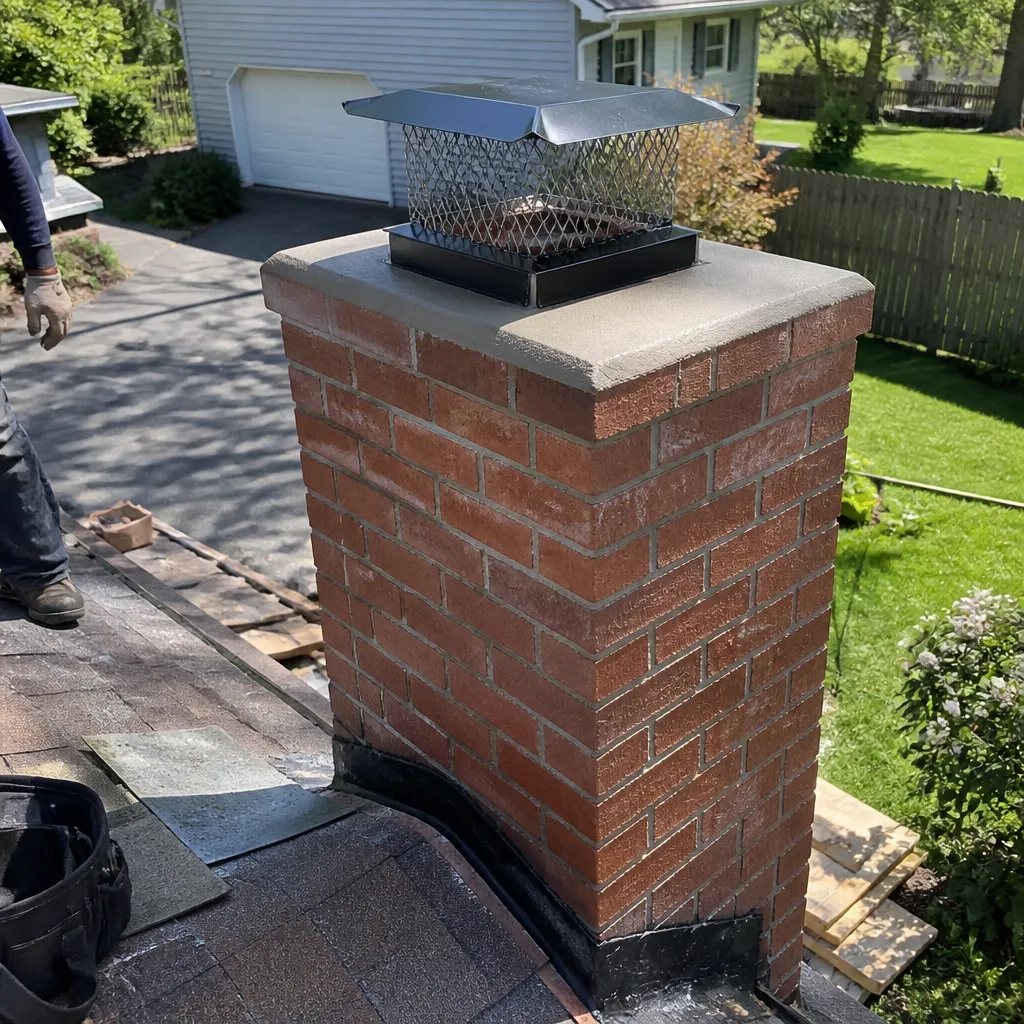 After
AfterChimney Cleaning Warning Signs: A Jamesburg Homeowner’s Reference Guide
The white staining on the outside of a chimney that most people assume is just weathering has a name: efflorescence. It means water is already moving through your masonry, and by the time you see it, the process has been going on for a while. Most Jamesburg homeowners don’t catch chimney trouble early because nobody ever told them what early looks like. This guide will. You’ll learn the quiet signals that show up weeks or months before anything dramatic: what they look like, what they mean, and which ones mean pick up the phone today.
Quick Answer
Your chimney needs cleaning when you notice any of these: a campfire smell when the fireplace is cold, dark flaky buildup you can scratch off the flue walls (that’s creosote), smoke drifting into the room instead of up the flue, or a fire that struggles to stay lit. In Jamesburg, chimneys should be swept once a year, burned or not. If you hear animals, see white staining on the brick, or spot cracked mortar from the ground, the problem has moved past cleaning into repair territory – and you’ll want a professional eye on it sooner rather than later.
Table of Contents
- What Your Nose Knows: The Smells That Signal Trouble
- First, Second, and Third-Degree Creosote: Why Only One Is Just a Cleaning Problem
- Draft Behaviors That Tell You Something’s Wrong
- What Staining Patterns Inside Your Firebox Reveal
- Assessing the Roofline From the Ground: Cap, Crown, and Mortar
- Sounds From the Chimney: Birds, Bees, and the Drip You Shouldn’t Ignore
- Stop Using the Fireplace Today Versus Schedule When You Can
- Common Mistakes to Avoid
- When to Call a Professional
- Frequently Asked Questions
- The Bottom Line
What Your Nose Knows: The Smells That Signal Trouble
A cold fireplace should smell like nothing. Maybe a faint whiff of old ash, but nothing that pulls your attention from across the room. When a chimney starts talking to you through your nose, it’s usually saying one of three things – and each points to a different problem.
The smell most Jamesburg homeowners report first is a campfire odor that lingers when no fire has burned in days. That’s creosote. It’s a byproduct of wood combustion that builds up on the flue walls, and on humid summer days it absorbs moisture out of the air and releases that sharp, smoky smell into the house. A musty, dank odor points the other direction: water. It means your cap isn’t doing its job, or the crown is cracked, or the flashing has loosened. Mildew and mold grow inside a damp flue, and the smell drops straight down into the living room.
The third smell is the one people don’t expect. A sharp, acrid odor – almost like burning plastic or hot metal – while the fire is going. That’s not creosote. That’s often the smell of a liner crack exposing the surrounding masonry to heat it wasn’t built to absorb, or an obstruction forcing exhaust gases to back up. If you catch that smell while a fire is lit, stop using the fireplace until you know what’s behind it.
In our experience around Jamesburg, smell complaints spike in late August and early September. The first cool night, someone opens the damper, and the whole room fills with last winter’s creosote. If your chimney announces itself before your fire does, that’s your first warning sign.
First, Second, and Third-Degree Creosote: Why Only One Is Just a Cleaning Problem
Creosote is not one substance. It changes character depending on flue temperatures and how complete the combustion is. Knowing the difference matters because first-degree creosote is a brush job, while third-degree is a glaze – catch it early and you’re paying for a cleaning. Let it sit and you might be paying for a liner.
First-Degree Creosote
This is the flaky, dusty, soot-like deposit that forms during relatively efficient fires with dry wood. It’s mostly carbon. It brushes off easily with a standard chimney sweep. If you scrape a fingernail against it and it flakes away like dried coffee grounds, that’s first-degree. A standard cleaning handles it, and your chimney is back to safe working order.
Second-Degree Creosote
Second-degree creosote is shinier and harder. It looks like dark, brittle flakes, almost like crushed charcoal. It forms when flue temperatures drop mid-burn – common in older Jamesburg homes where the fireplace is oversized for the room and the fire smolders instead of burning hot. It requires more aggressive mechanical brushing to remove. Left alone, it keeps building layer over layer.
Third-Degree Creosote
Third-degree creosote is the emergency. It looks like a thick, glossy, tar-like coating, black and visibly wet-looking even when cold. It forms from prolonged smoldering fires, unseasoned wood, or restricted airflow. This stuff burns at temperatures that can crack flue tiles and ignite a chimney fire within minutes. A standard brush will not remove it – it needs chemical treatment or rotary cleaning, and sometimes the flue liner has already been compromised underneath.
Here’s the thing most guides won’t tell you: the difference between second-degree and third-degree is often weeks of burning with the damper too far closed or a load of green wood from a tree that came down the previous spring. Around Jamesburg, where plenty of homeowners supplement heat with firewood in January and February, we see third-degree creosote most often in chimneys that burned every weekend for a full season without one sweep. Once a year, burn or no burn. It’s not a suggestion; it’s what keeps degree one from becoming degree three.
Draft Behaviors That Tell You Something’s Wrong
Your flue doesn’t care how the fire looks. It cares how it breathes. The way air moves through your chimney reveals more than any visual inspection from the hearth. Here are the draft behaviors that show up earliest when something is off.
Smoke Pushing Back Into the Room
This is the obvious one, but the nuance is in the timing. If smoke only pushes back when you first light the fire and then corrects itself, the flue was cold and needed to prime. That’s normal in a Jamesburg January. But if smoke pushes back consistently, or if it gets worse as the fire grows, you’re dealing with an obstruction, a liner crack, or negative air pressure in the house. Tightly sealed homes – and many newer Jamesburg construction projects are sealed up well for energy efficiency – can starve a fireplace for combustion air. The fire produces smoke, but the house won’t give it the air it needs to send that smoke up and out.
Fire Struggling to Stay Lit
Wood that’s dry and well-seasoned should catch and hold. If you find yourself rearranging logs, opening a window, or building a teepee of kindling every time just to keep a flame alive, the chimney isn’t drafting. That could be a partial blockage – a bird nest, a dead squirrel, a collapsed section of flue tile – or a damper that isn’t opening fully. Either way, the fire is telling you something mechanical is wrong.
Sudden Downdrafts
Every chimney gets the occasional gust of wind down the flue. But a chimney that consistently sends cold air and smoke smell into the room when the wind blows from a certain direction may have a cap problem. The cap’s job is to stop wind and rain from coming straight down the flue. Missing, bent, or undersized caps fail at that. If you notice the problem happens whenever the wind comes from a certain angle, step outside and take a look at the cap.
Chimney cleaning and sweeping in Jamesburg catches the blockages that cause most draft problems. But draft behaviors can also point to structural issues, which is why a camera inspection matters. You can’t fix what you can’t see, and you shouldn’t guess.
What Staining Patterns Inside Your Firebox Reveal
Before anyone gets on the roof, the firebox itself tells a story. Wendell and his crew look at staining patterns the way a doctor looks at a patient’s posture – it doesn’t diagnose everything, but it points straight at where to look harder.
Dark Streaking Above the Firebox Opening
When you see dark smudges or streaks on the face of the brick above the fireplace opening, that indicates roll-out. Smoke is spilling out of the firebox during operation, and the soot it carries is being deposited on the masonry. It can mean the damper isn’t opening properly, the flue is partially obstructed, or the fireplace itself is proportioned wrong for the chimney height. The camera footage will confirm which one.
White, Powdery Deposits Inside the Firebox
White staining inside the firebox, rather than outside, points to a different kind of moisture. It often appears when water is entering from above and washing minerals out of the mortar joints and firebrick. It shows up after rain. If you see white powder in the firebox floor after a storm, water is getting in somewhere – usually the crown or the cap.
Rust-Colored Staining at the Back or Sides
Rust staining inside a masonry fireplace usually means the damper assembly or the metal firebox components are corroding. That’s water exposure over time. In a factory-built fireplace, rust staining in the firebox can mean the unit has reached the end of its useful life. These stains don’t wash away with a cleaning – they indicate wear that needs a professional assessment.
Clean Patches Surrounded by Soot
If you notice one section of the firebox back wall that looks strangely clean while everything around it is coated in soot, pay attention. That clean patch can mean air is being pulled through a crack or gap in the masonry, and the airflow keeps soot from settling there. It’s a subtle signal, and it’s one that most homeowners never notice. A sweep will.
Assessing the Roofline From the Ground: Cap, Crown, and Mortar
You don’t need a ladder or a drone to get a useful read on your chimney’s health. You need daylight, a pair of eyes, and about five minutes on the sidewalk. Here’s what to look for from the ground in a Jamesburg yard, using nothing but your own vision.
The Cap
Stand across the street or at the back property line where you get the clearest view. A good chimney cap sits level on top of the flue and looks solid. A missing cap is usually obvious – there’s nothing there. But a failing cap often shows itself more subtly: it’s tilted, rusted through at the seams, or the mesh sides are torn. Birds and squirrels need only a small opening to get in, and once they’re in, they bring nesting material with them. Those nests are a top cause of chimney fires nationwide.
The Crown
The crown is the concrete slab that covers the top of the chimney structure, sealing the masonry from weather. Look for visible cracks, especially cracks that run from the flue outward. Hairline cracks are where water enters, and in a Jamesburg winter, that water freezes and thaws and freezes again. What starts as a hairline crack becomes a spalling brick face and a water-damaged flue within a few seasons.
The Mortar Joints
From the ground, squint along the vertical lines between bricks. In a healthy chimney, those lines look uniform. When mortar starts to fail, the joints look recessed, crumbly, or worse – some bricks look like they’re shifting slightly out of line. You don’t need to see the details from thirty feet. You’re looking for change over time. Take a photo every fall. Compare it year to year. If the chimney looks different than it did last year, that’s your signal.
Here in Jamesburg, our freeze-thaw cycles do real work on masonry. The water gets in through the crown or spalling brick, freezes, expands, and forces mortar joints apart. The Top Hat Chimney home page has more on how we assess these issues, or you can keep it simple: if the lines look wrong from the street, they’re not going to look better up close.
Sounds From the Chimney: Birds, Bees, and the Drip You Shouldn’t Ignore
Chimneys make noise for two reasons: something alive is in there, or something isn’t right mechanically. Either way, the sound is worth your attention.
Scratching, Fluttering, and Chirping
Birds in a chimney sound like fluttering. Squirrels scratch. Raccoons are louder – you’ll hear them at night, heavy and clumsy. In Jamesburg, chimney swifts are a regular spring visitor. They are protected under federal law, which means you cannot remove an active nest. What you can do is prevent them from nesting next year by making sure your cap has proper mesh. The scratching you hear is the animal, but the reason you’re hearing it at all is the missing or damaged cap.
Buzzing or Humming
A steady hum from the chimney in warm weather usually means bees or wasps have built a hive in the flue. Honeybees particularly like chimneys because they offer a protected, elevated cavity. A hive in a flue isn’t just a nuisance. The wax and honeycomb are combustible, and they block airflow. You’ll want it removed before burning season.
The Drip You Hear on Rainy Nights
If you hear water dripping inside the chimney during a storm, that’s not normal. A properly capped and crowned chimney stays dry. That drip means water is entering, and it’s hitting flue tiles, damper parts, or firebox floor. It’s a sound most people ignore because it’s only present when it rains. But water is the number one enemy of masonry, and in Jamesburg’s humid summers followed by freezing winters, that drip is the start of a slow teardown. Chimney repair in Jamesburg often starts with what a homeowner heard on a rainy Tuesday night and waited too long to investigate.
Stop Using the Fireplace Today Versus Schedule When You Can
Every warning sign fits into one of two columns: urgent or routine. Knowing which column you’re in is the difference between a $200 sweep and a $2,000 repair – or worse.
Stop Today
- Smoke pushing back into the room while the fire burns. You’re breathing combustion byproducts. Close the damper, put out the fire, and don’t use it again until it’s inspected.
- Sharp, acrid burning smell during a fire. This suggests a liner crack or an obstruction. Both are fire risks.
- Visible third-degree creosote. That shiny, tar-like glaze is fuel waiting for a spark. Do not burn again until it’s removed.
- You see flames or embers coming from the top of the chimney. That’s a chimney fire. Evacuate if necessary and call 911. Then call a sweep.
- Any sound of animals actively in the flue with young. Don’t light a fire. Resolve the animal issue first; it’s a blockage and a fire hazard if ignited.
Schedule When You Can
- Campfire smell when the fireplace is cold, without smoke backup. That’s creosote that needs sweeping, but it’s not an emergency.
- First-degree soot buildup you can flake with a fingernail. A standard cleaning handles this.
- Minor efflorescence on the exterior that hasn’t caused visible brick damage yet. Get it looked at before winter.
- Damper that’s stiff or slightly stuck but the fireplace still drafts acceptably. It’s a repair, not an emergency.
- Routine annual maintenance. Once a year, burn or no burn. Chimneys break in the off-season too.
If you’re not sure which column your situation falls into, that’s a phone call. Wendell will tell you straight: if it can wait, he’ll say so. If it can’t, he’ll say that faster.
Common Mistakes to Avoid
- Burning green or unseasoned wood because “it’s what we have.” Green wood smolders, and smoldering fires are the number one producer of third-degree creosote. Jamesburg homeowners who take down a tree in the spring and burn it the following winter are setting themselves up for a glaze problem.
- Closing the damper too far to “hold the fire longer.” A choked-down fire burns cool and incomplete. That’s the exact condition that turns first-degree creosote into third-degree. Burn it hot, burn it clean, and accept a shorter fire.
- Assuming a chimney cap is optional. It’s not. Without a cap, you get water, animals, leaves, and the occasional tennis ball from a neighborhood kid who’s now in college. The cap is the cheapest insurance your chimney will ever have.
- Ignoring the fireplace because “we barely use it.” Barely used is not the same as clean. Animals nest in unused chimneys. Water still enters an unused flue. The off-season is when chimneys break.
- Patching visible masonry cracks with caulk from the hardware store. That’s a bandage on a fracture. The crack you see is the symptom, not the cause. Water has already moved through the system. Caulking it traps moisture inside and accelerates freeze-thaw damage.
- Skipping the video inspection because “it looks fine from the outside.” The flue is where the fire happens, and you can’t see the flue from the driveway. The camera footage and a plain-English verdict – every time, no exceptions. It’s how you avoid a surprise at the worst possible time.
When to Call a Professional
You call when the warning sign crosses from something you can observe to something only a trained sweep can diagnose. If you see third-degree creosote, call. If you smell that acrid burning odor during a fire, call. If water is entering, call. If you hear animals, call. If it’s been more than a year since the last sweep, call. Top Hat Chimney has been answering chimneys in Jamesburg since 1999, and the phone rings to a live person around the clock – sometimes Wendell himself, apologizing because he’s on a roof and will call you right back. Estimates are free and the price you hear before work starts is the price on the invoice. Call (609) 905-5820 and you’ll get a straight answer, even if the answer is “you don’t need us yet.”
Frequently Asked Questions
A standard chimney cleaning and inspection in Jamesburg typically runs between $180 and $340, depending on the level of creosote buildup and whether animals or blockages are involved. Some chimneys need a deeper cleaning with rotary tools, which costs more because it takes more time and equipment. Top Hat Chimney gives you upfront pricing before any work begins, and there’s no trip charge inside the county. Call (609) 905-5820 for a free estimate on your specific chimney.
A cleaning problem shows up as creosote buildup, a smoky smell when the fireplace is cold, or reduced draft. A repair problem shows up as water intrusion, cracked mortar, a damaged cap, or a liner crack. The two often overlap – heavy creosote can hide a cracked liner behind it. A camera inspection is the only way to know for certain which problem you’re dealing with, and that’s why the camera footage and a plain-English verdict come standard on every job we do in Jamesburg.
What happens is a gamble. If you burned only dry wood and burned hot, maybe nothing terrible. But in a Jamesburg winter with freeze-thaw cycling, one year of skipped maintenance can mean water has entered through a crack you didn’t know was there, expanded, and widened that crack into a repair. And creosote doesn’t clean itself. The buildup from one season becomes the base layer for the next. Once a year, burn or no burn – it’s the cheapest insurance a homeowner can buy.
Creosote logs help loosen first-degree creosote so it flakes away during a normal burn. They are not a substitute for a sweep. They don’t remove second or third-degree creosote. They don’t inspect your liner. They don’t check your cap, your crown, or your damper. Think of them as a maintenance supplement between professional cleanings, not a replacement.
Humidity. Warm, moist air in summer months gets pulled into the chimney, and when it hits creosote deposits, the creosote absorbs the moisture and releases its smoky odor back into the house. The same chimney that was tolerable all winter becomes a smell factory in July. It’s a sign that creosote is present in meaningful quantity and you’d benefit from a cleaning before burning season.
Yes, and you should insist on it. A standard home inspection gives a chimney about ten minutes of attention. A proper chimney inspection includes a camera run up the flue and an assessment of the crown, cap, flashing, damper, and firebox. For buyers in Jamesburg, fireplace services in Jamesburg include pre-purchase inspections that tell you whether that charming fireplace is a selling point or a four-thousand-dollar project waiting to happen.
The Bottom Line
Your chimney talks before it fails. The smell of cold creosote in August, the dark streaking on the face brick, the white powder in the firebox after a rain, the scratching in the flue at dusk – those are warnings, not quirks. Learn to read them, and you control when and how you spend money. Ignore them, and the chimney decides for you, usually at the worst time. Jamesburg homes are built for fireplaces; the climate demands they be maintained. Once a year, burn or no burn. Know what you’re looking at, and when you’re not sure, ask someone who does this every day. Or browse more guides & resources to keep learning.
Written by Wendell Pike, Owner at Top Hat Chimney, serving Jamesburg since 1999.