
Last updated September 10, 2026
Level 1 sweep and inspection to the NFPA 211 annual standard - flue, crown, cap, and flashing checked and photographed
Chimney sweep logs do not sweep chimneys. They loosen some creosote - which then falls where a brush and vacuum still have to collect it.
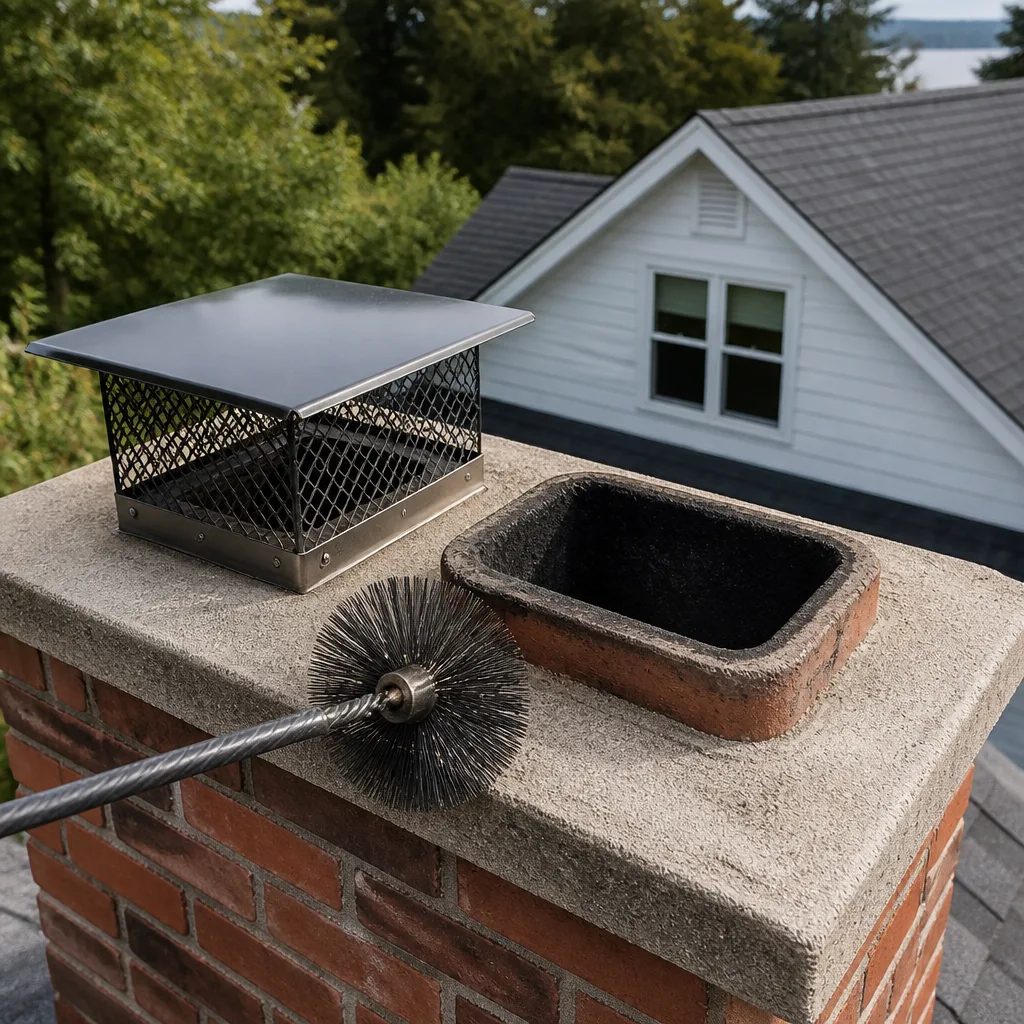
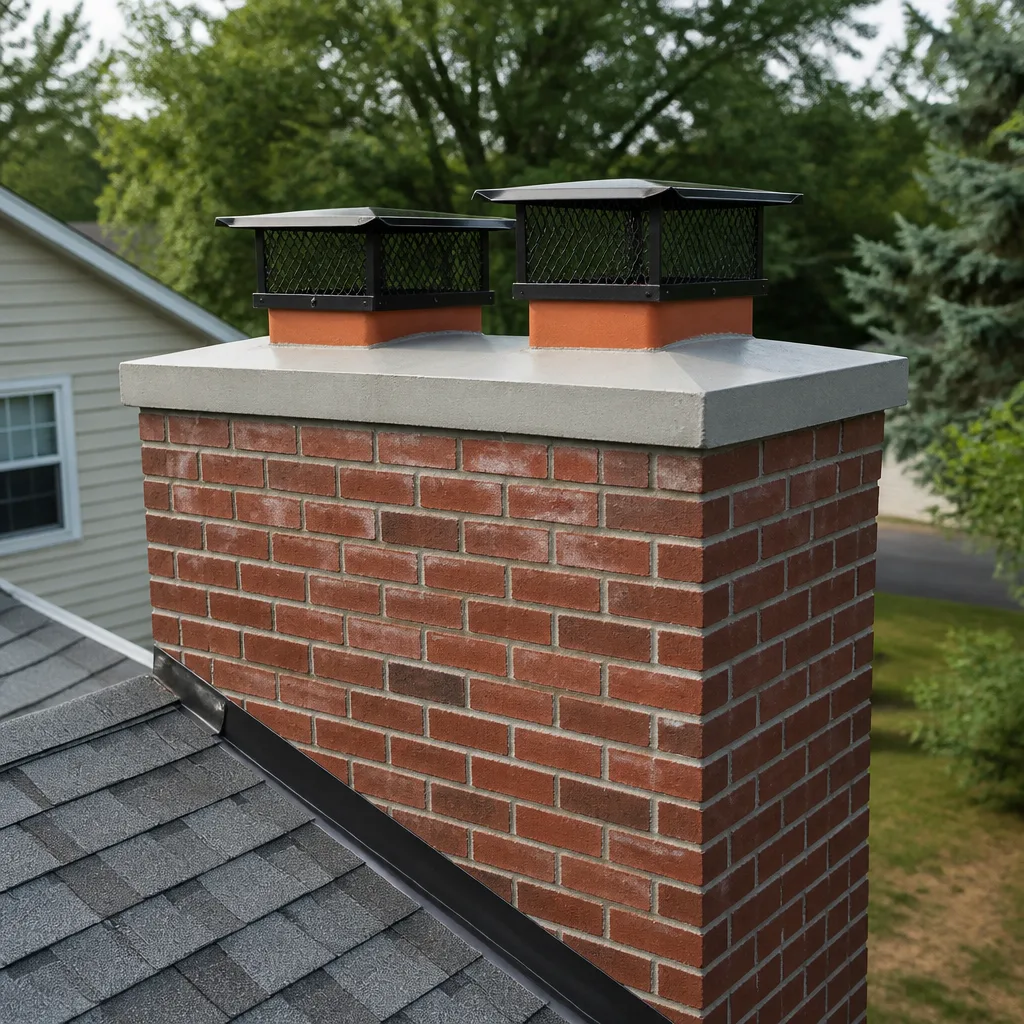
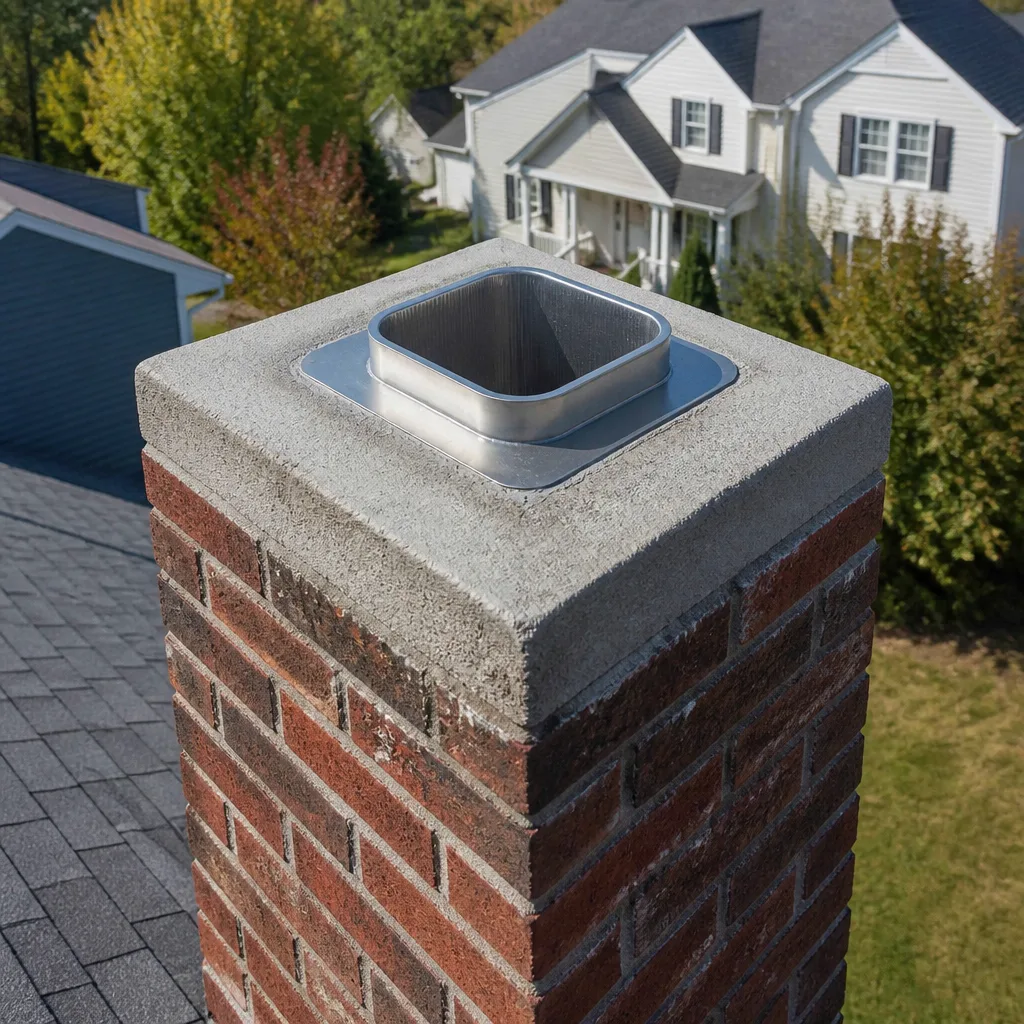
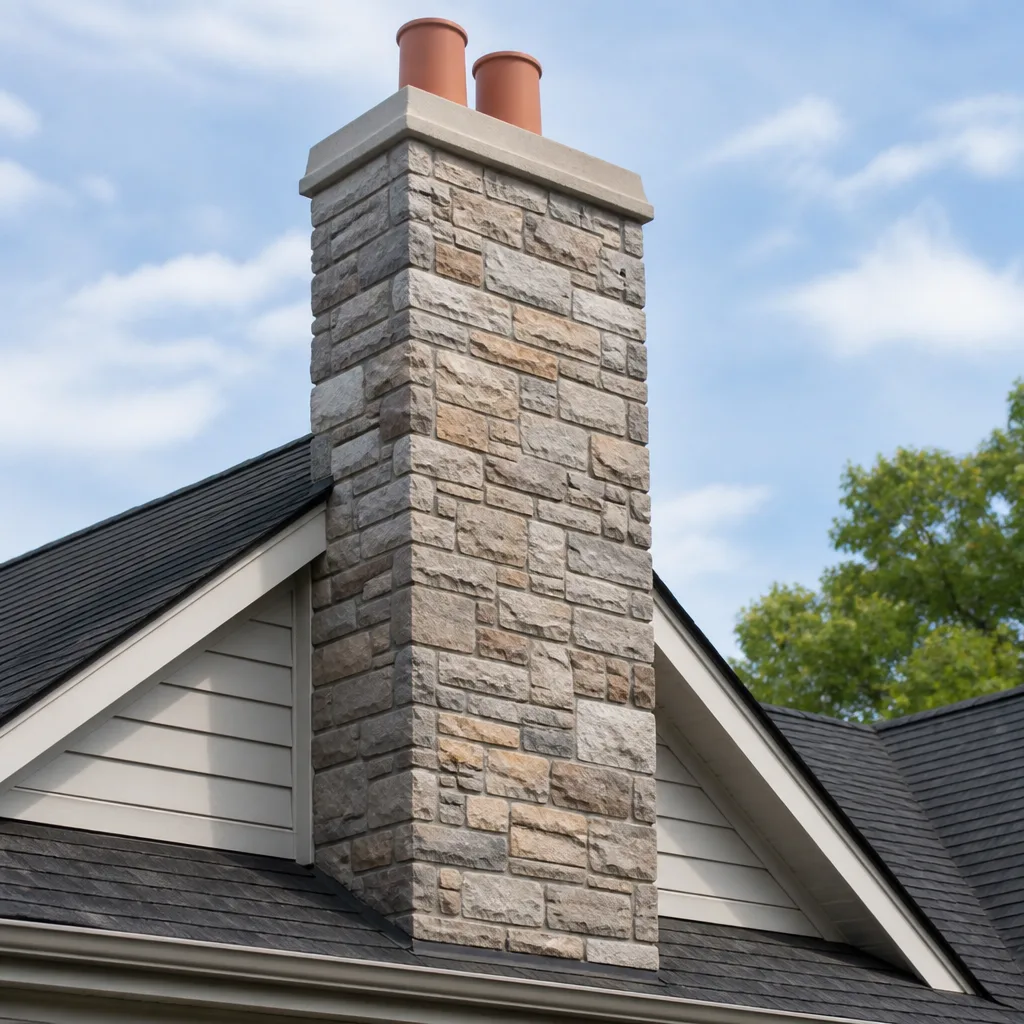
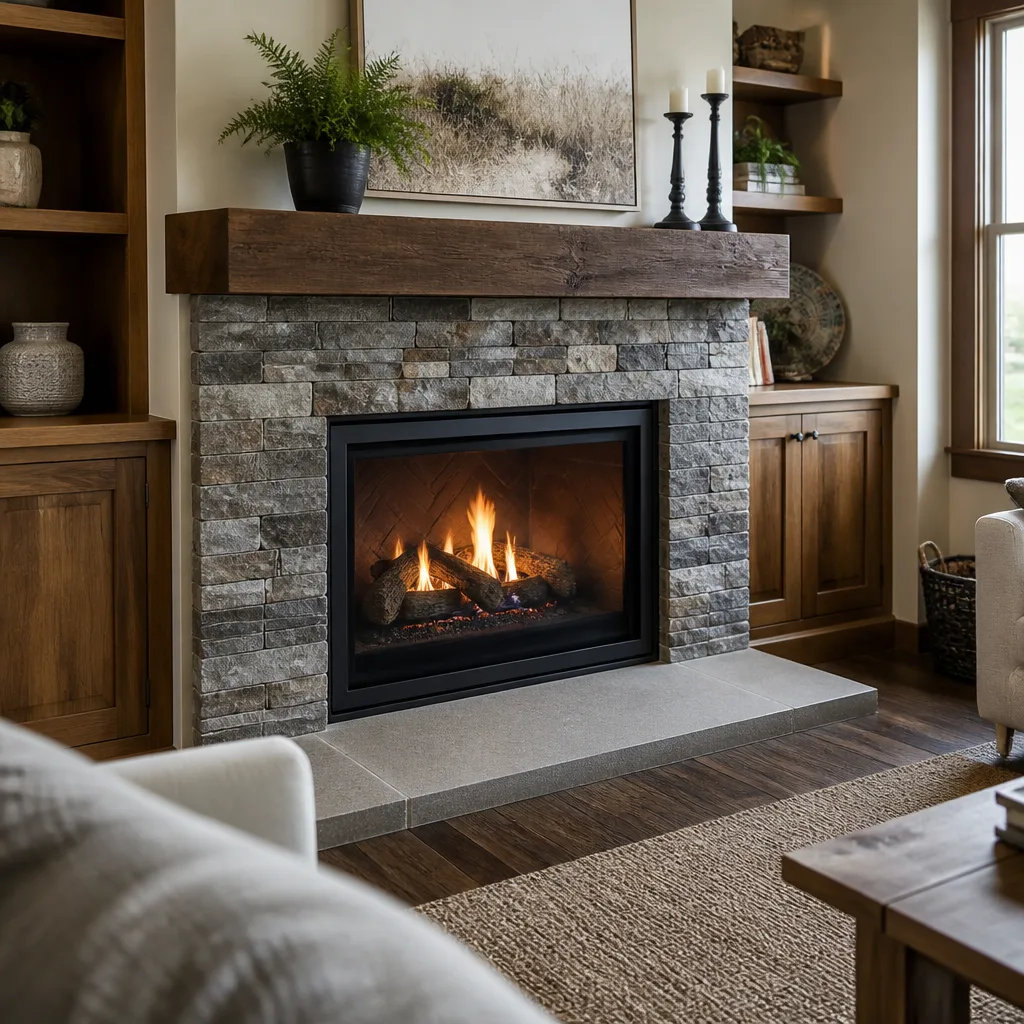
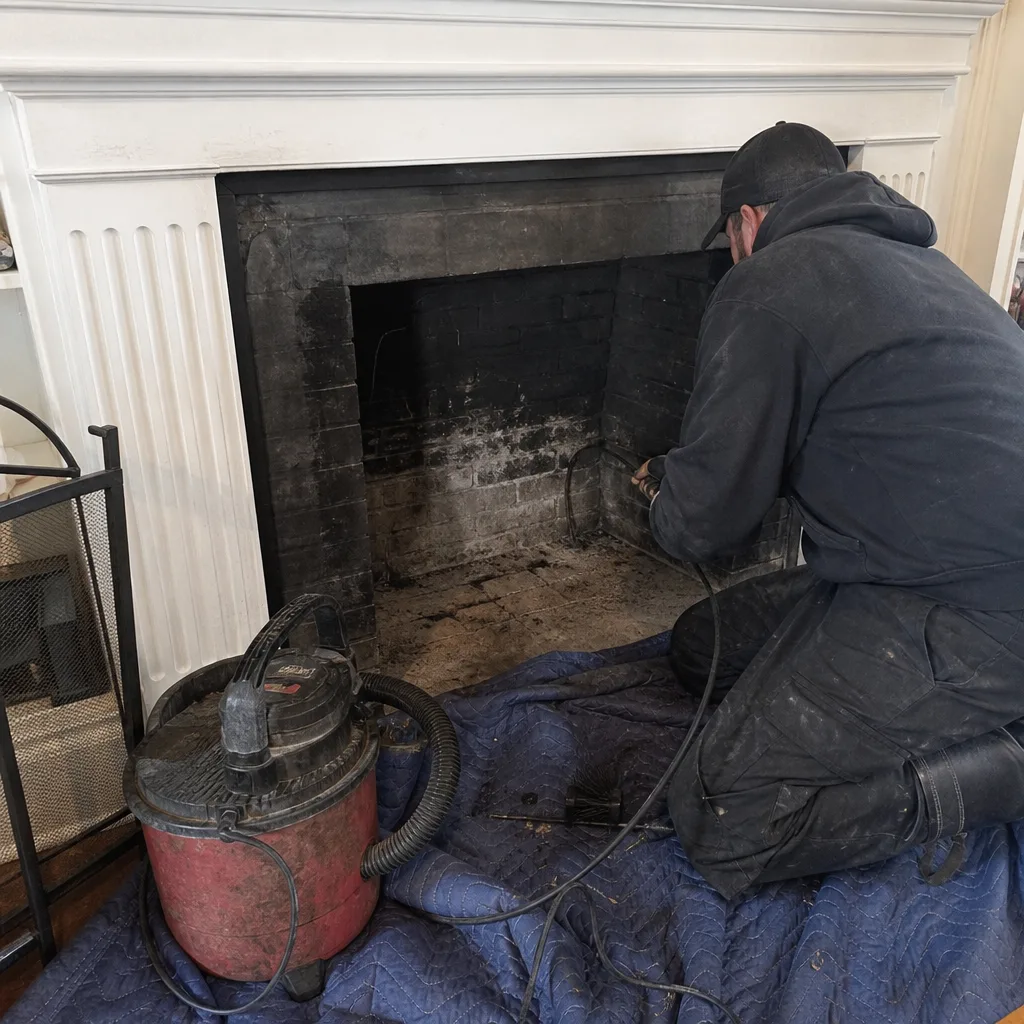 Before
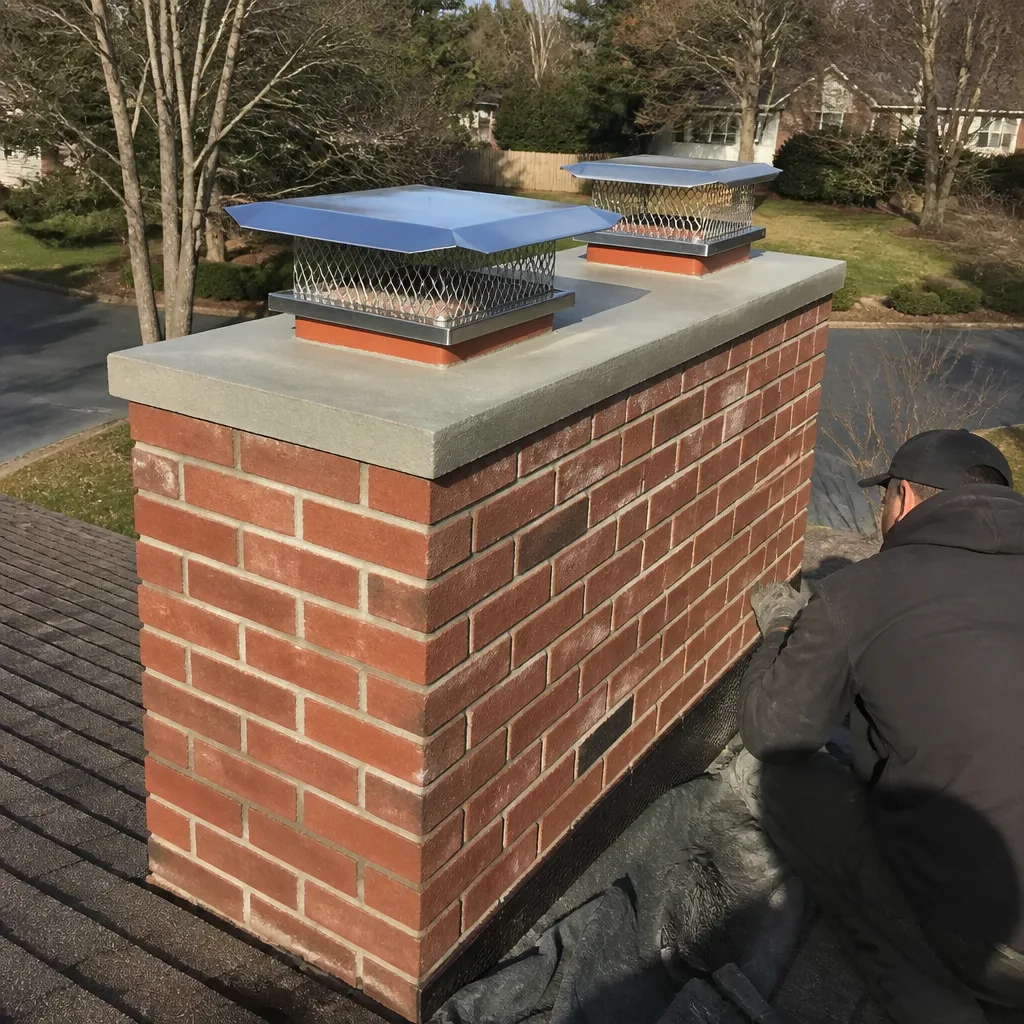 After
After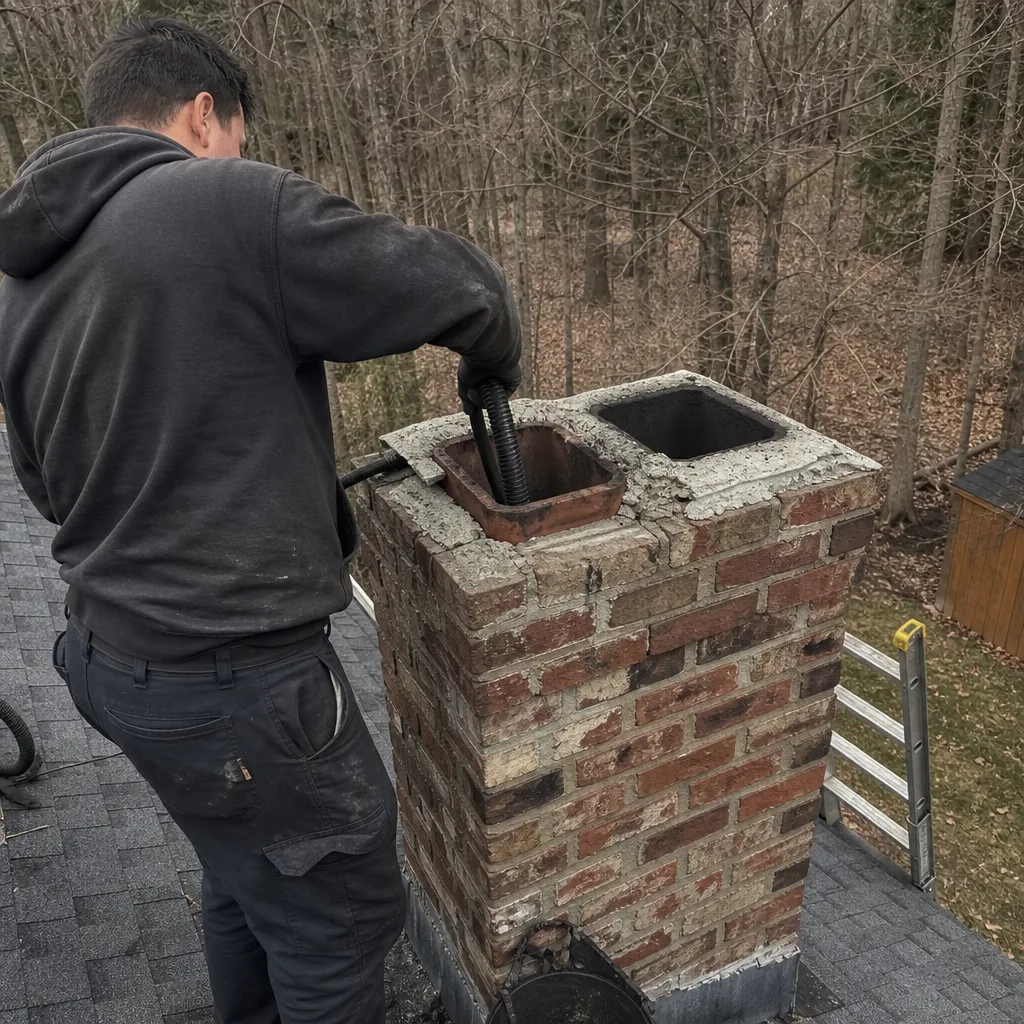 Before
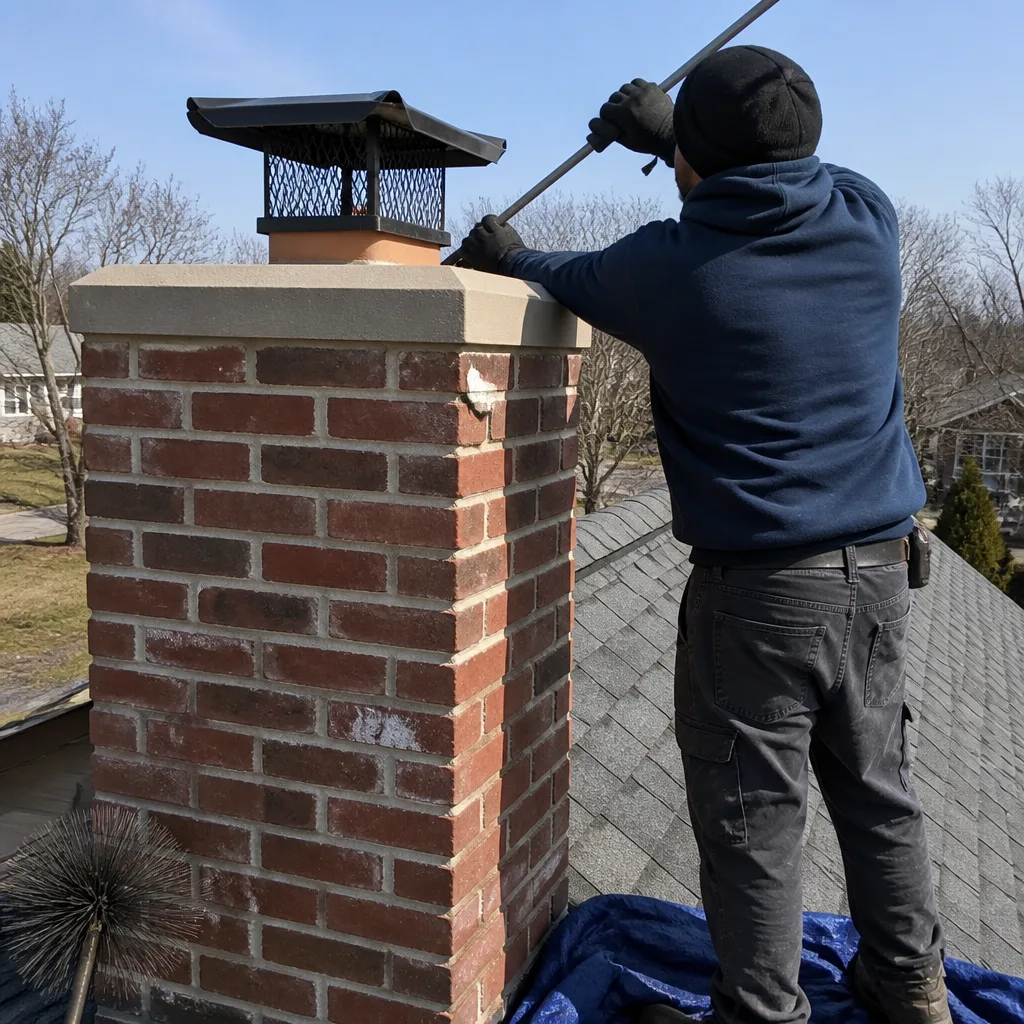 After
After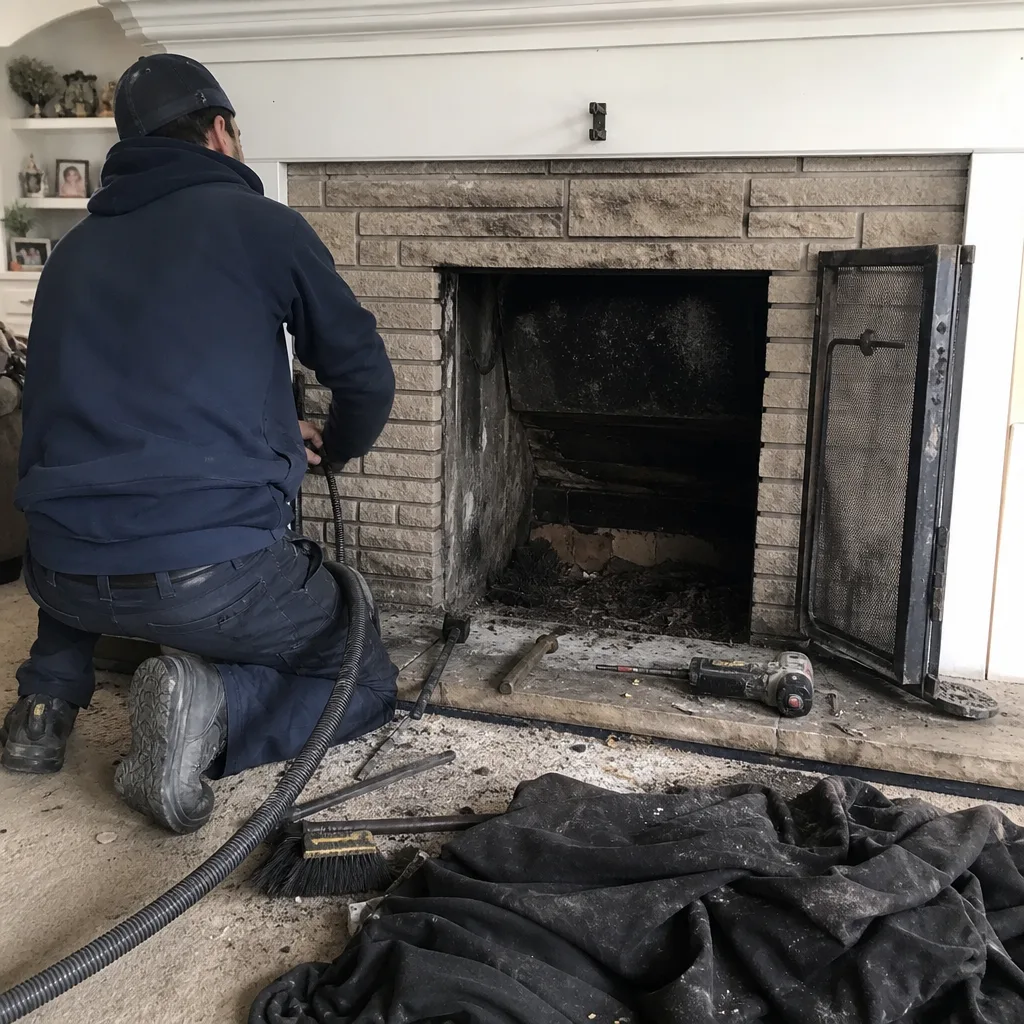 Before
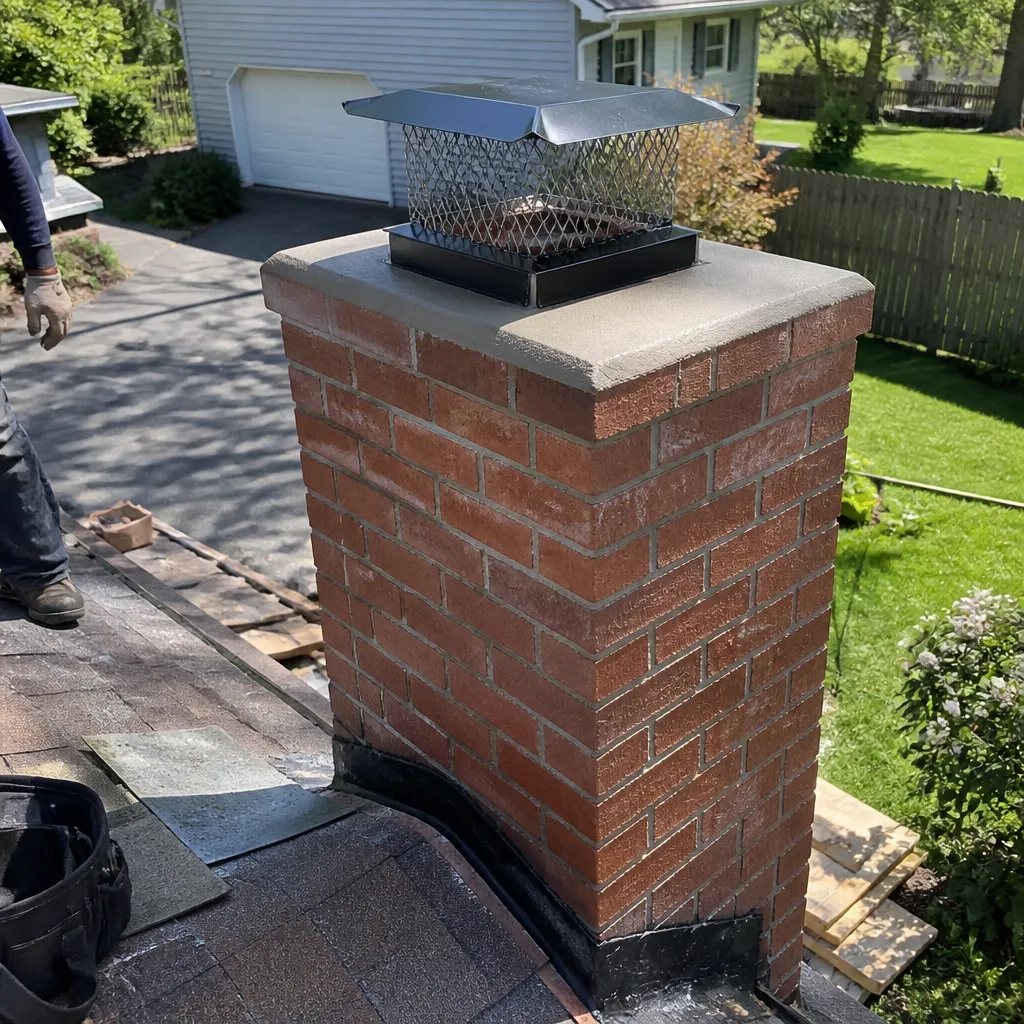 After
AfterThe Complete Guide to Chimney Cleaning in Jamesburg
Jamesburg sits in Middlesex County, where the average home was built before 1980, which means there’s a better-than-even chance your flue liner is original terra cotta, and that changes everything about how a cleaning should be done. Most chimney guides you’ll find online were written for the whole country and miss the specifics that actually matter in central New Jersey: the clay soil that shifts foundations, the wet shoulder seasons that accelerate creosote buildup, and the local code quirks that trip up out-of-area contractors. For more guides & resources tailored to our area, explore our local collection. This guide gives Jamesburg homeowners the ground-level picture, not the national average.
Quick Answer
Chimney cleaning in Jamesburg typically costs between $180 and $320 for a standard sweep of a single-flue fireplace, and it should include a Level 1 inspection as part of the job. A trustworthy local sweep will show you camera footage of your flue before recommending anything beyond a basic cleaning. Most Jamesburg homes with regular fireplace use need a sweep once a year, and the best time to book is late spring or early fall, before the burn season rush.
Table of Contents
- Why Jamesburg Homes Need a Different Approach
- What a Chimney Cleaning Actually Involves
- How Often Should You Clean Your Chimney?
- Creosote: The Three Stages
- Level 1 vs. Level 2 Inspections
- Cost of Chimney Cleaning in Jamesburg
- Signs Your Chimney Needs Attention Now
- When Your Chimney Doesn’t Need Cleaning
Why Jamesburg Homes Need a Different Approach
Housing stock in Jamesburg isn’t like the new construction you’ll find in parts of Middlesex County. Walk down any street near Forsgate Drive or over by the lake, and you’ll see colonials, capes, and ranches that went up in the 1950s, 60s, and 70s. That matters for your chimney in ways that never show up in a national guide.
Most homes built before 1980 have original terra cotta flue liners. Terra cotta was the standard for decades, and it does fine when it’s intact. But fifty or sixty years of freeze-thaw cycles, creosote acids, and the natural settling of central New Jersey’s clay soil take a toll. The clay here expands and contracts with moisture, and over time that movement transfers to the masonry. Hairline cracks in terra cotta liners are common in Jamesburg homes by the time they hit forty years old, and a cracked liner is a different cleaning job than a sound one.
Here’s the practical consequence: if your liner has cracks, a standard wire-brush sweep can snag and worsen them. The cleaning itself has to be done with care, and the sweep needs to check liner integrity before and after, not just run a brush up and call it done. In our experience with older Jamesburg homes, we document liner condition with a camera on every cleaning, because the homeowner deserves to see exactly what we see. Your flue doesn’t care how the fire looks. It cares how it breathes.
Wet shoulder seasons compound the issue. Central New Jersey doesn’t have the dry, predictable winters that some national guides assume. We get damp Octobers, rainy Novembers, and a March that never quite decides what it wants to be. Moisture gets into the masonry, and every burn cycle drives acidic creosote deeper into the liner surface. Homes near the lake or along the Millstone River see this more than houses on higher ground. The result is that Jamesburg chimneys often need attention before winter even starts, because the creosote began accumulating during the fall shoulder season, not after the first snow.
What a Chimney Cleaning Actually Involves
A legitimate chimney cleaning in Jamesburg should follow a consistent process, and you should know what that looks like so you can recognize corners being cut. If you’re not sure how to vet your sweep, read our How to Hire a Chimney Cleaning Contractor in Jamesburg: A Step-by-Step Guide. This is what a proper job includes, start to finish.
- Drop cloths and floor protection laid before anything else. A professional sweep covers the hearth area, the floor in front of the fireplace, and any nearby furniture that can’t be moved. If a sweep walks in with a brush and no drop cloths, that’s the first flag.
- Visual inspection of the firebox, damper, and accessible flue. Before cleaning, the sweep checks for obvious damage, animal nests, or blockages. This tells them what they’re working with.
- Mechanical brushing of the full flue length. Using a wire or poly brush sized to your flue, the sweep brushes from either the top down or the bottom up, depending on the setup. The goal is to dislodge creosote and soot from the flue walls.
- Vacuuming with a high-powered, HEPA-filtered vac. This isn’t a shop vac from the hardware store. Proper chimney vacuums capture the fine particulate that ordinary vacuums blow right back into your living room.
- Post-clean camera inspection. After the brush work, the sweep runs a camera up the flue to confirm the walls are clean and to document liner condition. The camera footage and a plain-English verdict, every time, no exceptions.
- Cleanup and a clear summary. The hearth area is left as it was found, and the sweep tells you what they saw, what they did, and whether anything needs follow-up. If they recommend repairs, they should be able to show you why on camera footage.
A full cleaning takes about 45 to 90 minutes for a standard fireplace chimney. If someone is in and out in 20 minutes, they skipped steps. Wendell and his crew have been doing this work since 1999, and the process hasn’t changed much, because the physics of a dirty flue haven’t changed either.
How Often Should You Clean Your Chimney?
The short answer for most Jamesburg homes: once a year, burn or no burn. The longer answer depends on how you use the fireplace.
If you burn fires regularly, say three or more nights a week from October through March, annual cleaning is non-negotiable. The National Fire Protection Association standard, NFPA 211, says chimneys should be inspected at least once a year and cleaned when creosote buildup reaches 1/8 inch or more. For active burners, you’ll hit that threshold every season.
If you burn occasionally, a dozen fires a year or so, you may be able to stretch cleaning to every other year. But you need the camera inspection to tell you that, not a guess. Once a year, burn or no burn. Chimneys break in the off-season too. Animals nest in the flue during spring. Rain gets in through cracked crowns and deteriorates the masonry from inside. A chimney that sits unused for two years can be in worse shape than one that’s been cleaned annually.
Here’s the Jamesburg-specific wrinkle: our damp fall and early winter mean the creosote you generate in October is stickier than what you’d get in a drier climate. Wet wood, even “seasoned” wood that sat outside in a humid fall, produces more creosote per fire. If you’re buying firewood from a roadside stand in Middlesex County and stacking it uncovered in the yard, expect faster buildup and don’t skip the annual sweep.
Creosote: The Three Stages
Creosote is the byproduct of incomplete combustion. Smoke hits the cooler flue walls, condenses, and leaves behind a residue that ranges from flaky soot to hard, shiny glaze. Understanding the three stages tells you what you’re dealing with.
First-degree creosote is the ashy, flaky stuff that brushes off easily. It forms when you burn hot, dry wood with good airflow. A standard sweep handles it in one pass. First-degree creosote is a brush job.
Second-degree creosote is the tar-like, crunchy deposit that looks like burned sugar. It forms when fires burn cooler or wood isn’t fully dry. It takes more effort to remove and often needs poly brushes or specialized tools. A standard wire brush alone won’t get it all.
Third-degree creosote is the hard, glossy glaze that forms when creosote is repeatedly heated and cooled without removal. It’s concentrated fuel, and it’s the stage most associated with chimney fires. You can’t brush it off with conventional methods. Removing it requires chemical treatments or mechanical rotary tools, and sometimes liner replacement is the only real fix. Third-degree is a glaze, catch it early.
In Jamesburg, we regularly see second-degree creosote in homes where owners burn unseasoned wood or leave the damper mostly closed to hold heat. The wet fall months contribute here too. The point: pay attention to what your fires are doing. Slow, smoky fires are creosote factories.
Level 1 vs. Level 2 Inspections
NFPA 211 defines three levels of chimney inspection, and most homeowners only ever encounter the first two. Knowing the difference saves you money and keeps you from getting talked into work you don’t need.
A Level 1 inspection is what should come standard with every chimney cleaning. The sweep examines the readily accessible portions of the chimney: the firebox, damper, flue interior, and exterior from the ground or roof. There’s no specialized access equipment, no opening of walls. For a chimney that’s been properly maintained and isn’t changing use, a Level 1 is sufficient in most years.
A Level 2 inspection is required by NFPA 211 whenever conditions change: you’re buying or selling the home, you’ve had a chimney fire, an earthquake or weather event has struck, or you’re changing the fuel type or appliance. It includes everything in a Level 1, plus inspection of accessible attics, crawl spaces, and basements, and often video scanning of the full flue. It’s more thorough and more expensive, typically running $100 to $300 above the cost of a cleaning in Jamesburg.
Here’s the practical guidance: if you’ve lived in your home for years, burn dry wood, and get annual cleanings, a Level 1 done properly is usually enough. If you just bought the house or haven’t used the fireplace in three years, spring for the Level 2. And if a sweep ever tells you that you “need” a Level 2 inspection when nothing about your situation has changed, ask them to show you the specific NFPA 211 trigger that applies. A straight answer is a good sign.
Cost of Chimney Cleaning in Jamesburg
Chimney cleaning in Jamesburg runs from about $180 to $320 for a standard single-flue fireplace sweep. Wood stove inserts and furnace flues can run higher because of access challenges, and add-ons like a Level 2 inspection or creosote treatment will push the total up.
Here’s a realistic breakdown of what you should expect to see on a local invoice:
- Standard fireplace sweep: $180 to $250
- Fireplace sweep with full camera inspection: $250 to $320
- Level 2 inspection (standalone or add-on): $150 to $300
- Third-degree creosote removal treatment: $150 to $400, depending on severity
- Chimney cap replacement (if needed): $150 to $350 installed
- Crown repair (minor, if caught early): $200 to $600
These are market ranges for Middlesex County, not national averages. National chains often quote $99 or $129 to get a foot in the door, then find $800 in “necessary” work once they’re in your living room. We don’t work that way. No-hassle upfront pricing before a single tool comes off the truck: the number you hear on the phone is the number on the invoice. Wendell puts his name on the work and runs into you again on Saturday.
Ask anyone on your street. The people who have been burned are the ones who chased the cheapest number. A sweep who shows up, cleans your chimney properly, shows you the camera footage, and tells you honestly when nothing else needs doing is worth every dollar of a fair price.
Signs Your Chimney Needs Attention Now
Some chimney problems announce themselves. Others sit quietly until they’re expensive. Here are the signals that mean you should pick up the phone this week, not next season.
- Smoke backing into the room. If you smell smoke in the house during a fire or see it drifting back through the fireplace opening, something is obstructing the flue or the draft is compromised. Don’t keep burning until it’s checked.
- A heavy, acrid smell on humid days. Creosote absorbs moisture from the air. When it’s damp outside and your chimney smells like a campfire that’s been rained on, you’ve got significant buildup.
- Flaking masonry or pieces of tile in the firebox. Terra cotta liner fragments falling into the firebox mean the liner is actively deteriorating. This is a repair issue, not a cleaning issue, but you won’t know until someone looks.
- Water staining on the ceiling or walls near the chimney. That’s usually a flashing or crown problem, and central New Jersey’s wet seasons make it worse every year it’s ignored.
- Animals in the flue. Scratch sounds, droppings, or nesting material visible at the top means you’ve got tenants. Once they’re evicted, you need a proper cap with a screen to keep them from returning.
- The damper is rusted or won’t operate smoothly. Rust means moisture is getting in somewhere, and a stuck damper is a draft problem waiting to happen.
None of these signs means you need a full rebuild tomorrow. Some mean a simple fix. But all of them mean you need someone who knows Jamesburg chimneys to take a look before the problem compounds. Chimney repair in Jamesburg works best when caught in the first year, not the fifth.
When Your Chimney Doesn’t Need Cleaning
A trustworthy sweep will tell you when the job does not need doing. That’s not a theoretical statement; it’s a practical test of character, and it’s the fastest way to know you’ve found the right person for the long haul.
So, when can a chimney genuinely wait? If you burned fewer than a dozen fires last season, used dry, seasoned hardwood, and the previous cleaning was within the last 12 to 18 months, the camera may show first-degree creosote that’s still below the 1/8-inch action threshold. In that case, a reputable sweep should tell you the truth: your chimney is fine for another season, come back to us next year.
Same logic applies to unlined flues in older Jamesburg homes. An unlined chimney isn’t automatically dangerous, despite what you may have heard from a pushy salesperson. Many 1920s and 30s homes in this area have been burning safely for nearly a century with unlined or originally-lined flues. The question is condition, not presence. If the masonry is sound and the clearance to combustibles is adequate, no code requires you to drop a liner in tomorrow. If the camera shows deterioration, then we’ll talk.
We’ve done this work since 1999, and we’ve told more than a few Jamesburg homeowners that their chimney didn’t need sweeping that year. They called us back the next year. Ask anyone on your street.
Common Mistakes to Avoid
- Waiting until November to book. Every sweep in Middlesex County is slammed from October through January. Book in late spring or summer, and you’ll get your pick of dates and a more relaxed inspection.
- Burning unseasoned wood. Wood needs six to twelve months of covered drying to burn cleanly. Fresh-cut wood produces smoke, and smoke produces creosote at a rate that will have you sweeping twice a year.
- Assuming a “chimney sweep” from a national franchise is actually a chimney expert. Some national outfits send salespeople with brushes, not career sweeps. A local operator who’s been working the same Middlesex County homes since the 90s has seen things no franchise trainee has ever encountered.
- Skipping the damper check. A damper that doesn’t seal properly costs you heat all winter and lets moisture down the flue all summer. It’s a $15 part and a five-minute fix if caught early.
- Ignoring the exterior. In Jamesburg, brick spalling and crown cracks are common thanks to freeze-thaw cycles. If water is getting into your masonry, no amount of interior cleaning will save the structure. Look at your chimney from the street at least once a season.
- Falling for the “$99 special.” That price is a door-opener, not a cleaning. By the time they’re done, the invoice is $600 and they’ve found four things “wrong” that no one can verify. Get the firm number before the truck arrives, and ask to see the camera footage for every recommendation.
- Using the fireplace after a storm without checking the flue. New Jersey gets nor’easters and heavy wind. Debris, branches, and even displaced caps can obstruct a flue overnight. A visual check before the first fire of the season is basic prudence.
When to Call a Professional
Some things around the house reward a do-it-yourself mindset. High-tension chimney work, climbing on steep roofs, and interpreting flue camera footage are not those things. If you notice smoke backing into the room, a heavy creosote odor, water staining inside, or animals in the flue, call someone who does this work full time. A trained sweep has the equipment to see what’s actually happening inside the flue, and that’s worth more than any guess from the ground. Garage-door springs and chimney liners have the same rule: wrong move, serious injury. Wendell and his crew handle these situations every week, and the camera doesn’t lie. Top Hat Chimney offers free estimates in Jamesburg, call (609) 905-5820.
Frequently Asked Questions
A standard chimney sweep in Jamesburg costs between $180 and $320, with most single-flue fireplaces landing around $200 to $250. The total goes up if a Level 2 inspection, creosote treatment, or repairs are needed. Call (609) 905-5820 for an exact quote before any work begins; estimates are free and there’s no trip charge inside the county.
Once a year is the right default for most Jamesburg homes, even if you didn’t burn much. Our damp shoulder seasons accelerate creosote accumulation, and offseason moisture and animals create problems that an annual inspection catches early. For a full schedule of what to watch throughout the year, see our Seasonal Chimney Cleaning Care for Jamesburg: Year-Round Homeowner’s Guide.
Not automatically. A liner only needs replacing if the camera shows cracks, spalling, or deterioration that compromises safety, or if you’re changing appliance type. If a sweep recommends a liner, insist on seeing the video that proves it. We use trusted brands like DuraFlex and Copperfield when replacement is genuinely necessary, and we’ll show you the footage that justifies the work.
Creosote buildup thickens and eventually reaches third-degree glaze, which is highly flammable. A chimney fire can crack liners, damage masonry, and spread to the house structure. Even without a fire, acidic creosote accelerates liner deterioration with every damp season. The repair bill grows every year it’s ignored.
You can buy brushes and rods at a hardware store, but you can’t safely access the roof on weathered Jamesburg homes, and you can’t see what you’re doing inside the flue. The real value of a professional cleaning isn’t the brushing; it’s the inspection that comes with it. The camera footage is what tells you if your liner is failing. That’s worth the cost of the sweep.
Spring or summer, before the fall rush. Middlesex County sweeps are booked solid from October through January, and a spring cleaning means any repairs get handled before the burn season. Once a year, burn or no burn, and do it when you’re not fighting for a slot. Call (609) 905-5820 to schedule before the calendar fills.
The Bottom Line
Chimney cleaning in Jamesburg is about more than running a brush up a flue. It’s about understanding the particular demands of central New Jersey’s housing stock, climate, and seasons. Pre-1980 terra cotta liners need to be treated with care and inspected with cameras. Wet fall weather produces faster creosote buildup than most homeowners expect. Annual cleaning with a Level 1 inspection is the right rhythm for most households, and the cost should be $180 to $320 with no surprise add-ons. The best sweep in the world is the one who shows you the footage, tells you the truth, and charges exactly what he quoted. That’s how we’ve worked since 1999, and it’s how we’ll work for the next 29 years. For chimney cleaning and sweeping in Jamesburg, or for any fireplace service in Jamesburg, call (609) 905-5820 and get a free estimate from someone who answers the phone.
Written by Wendell Pike, Owner at Top Hat Chimney, serving Jamesburg since 1999.