
Last updated September 10, 2026
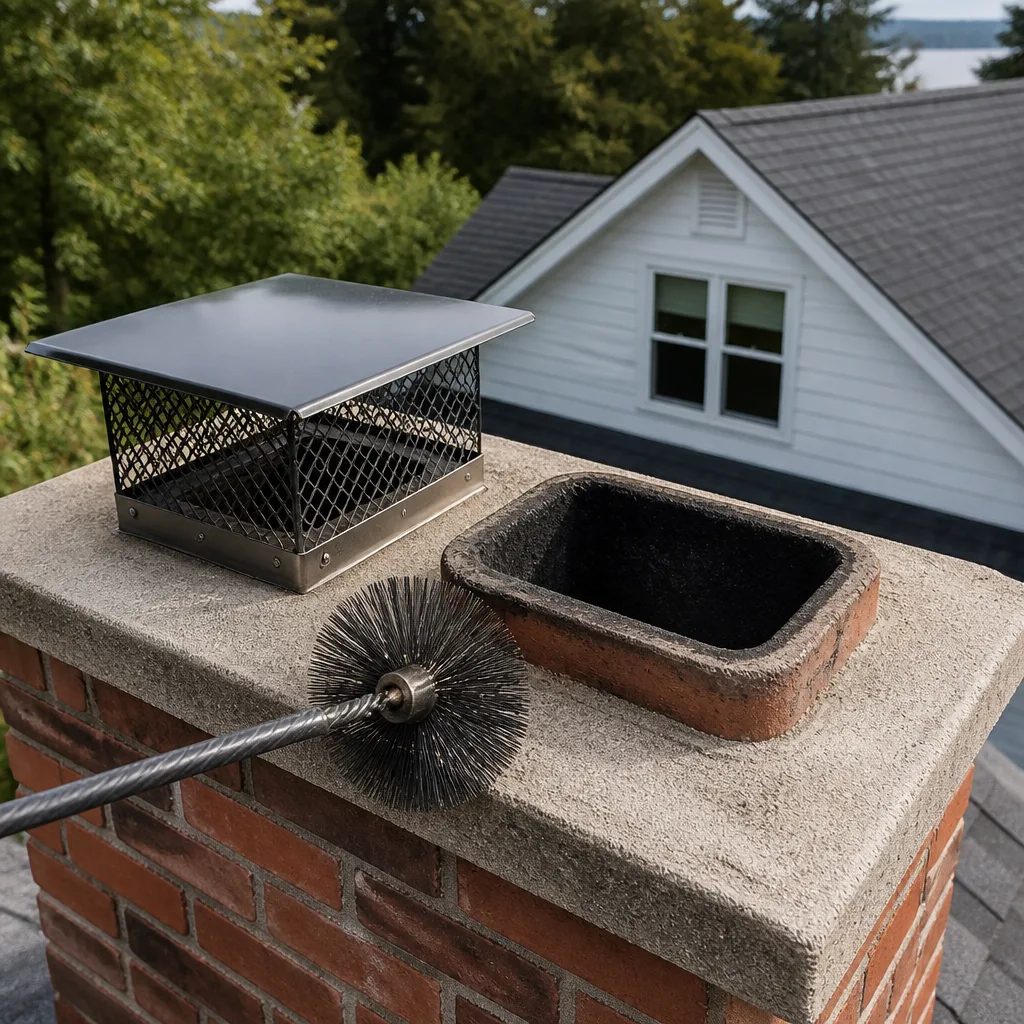
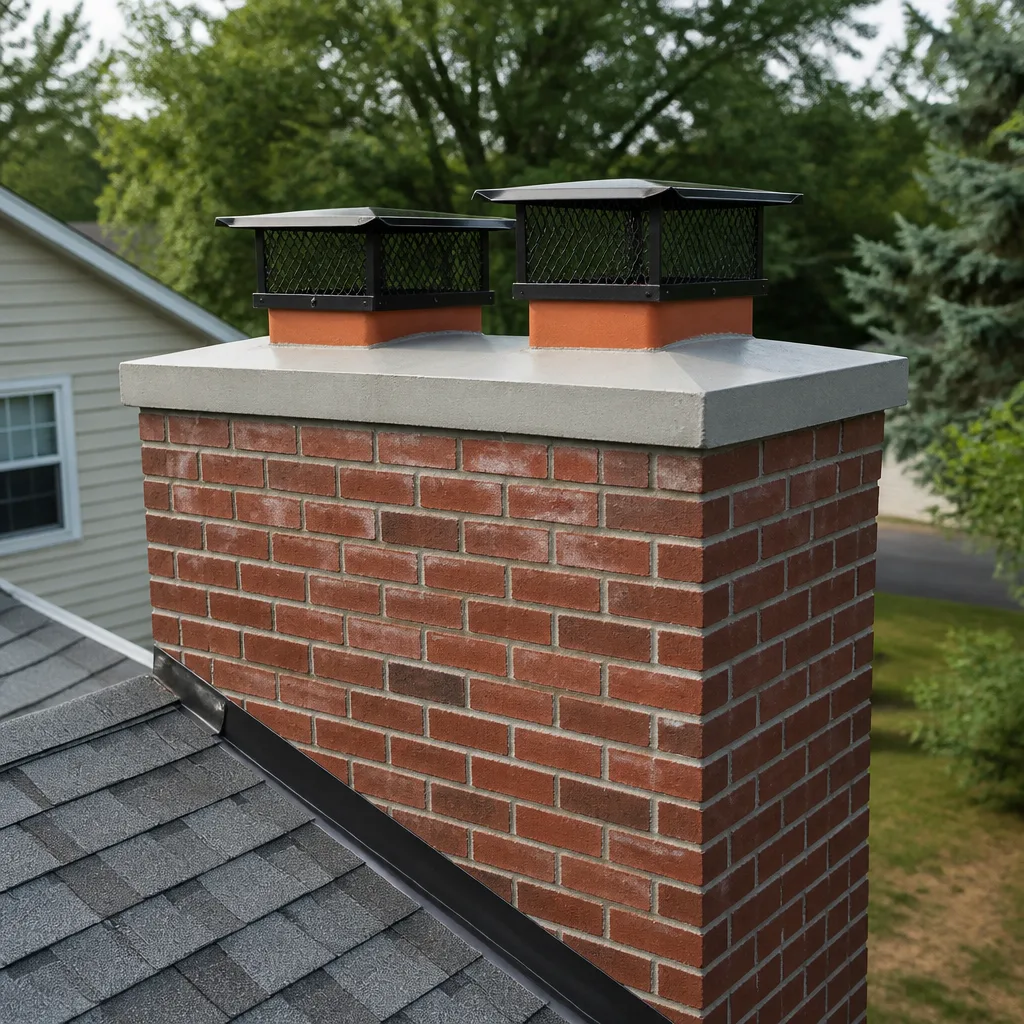
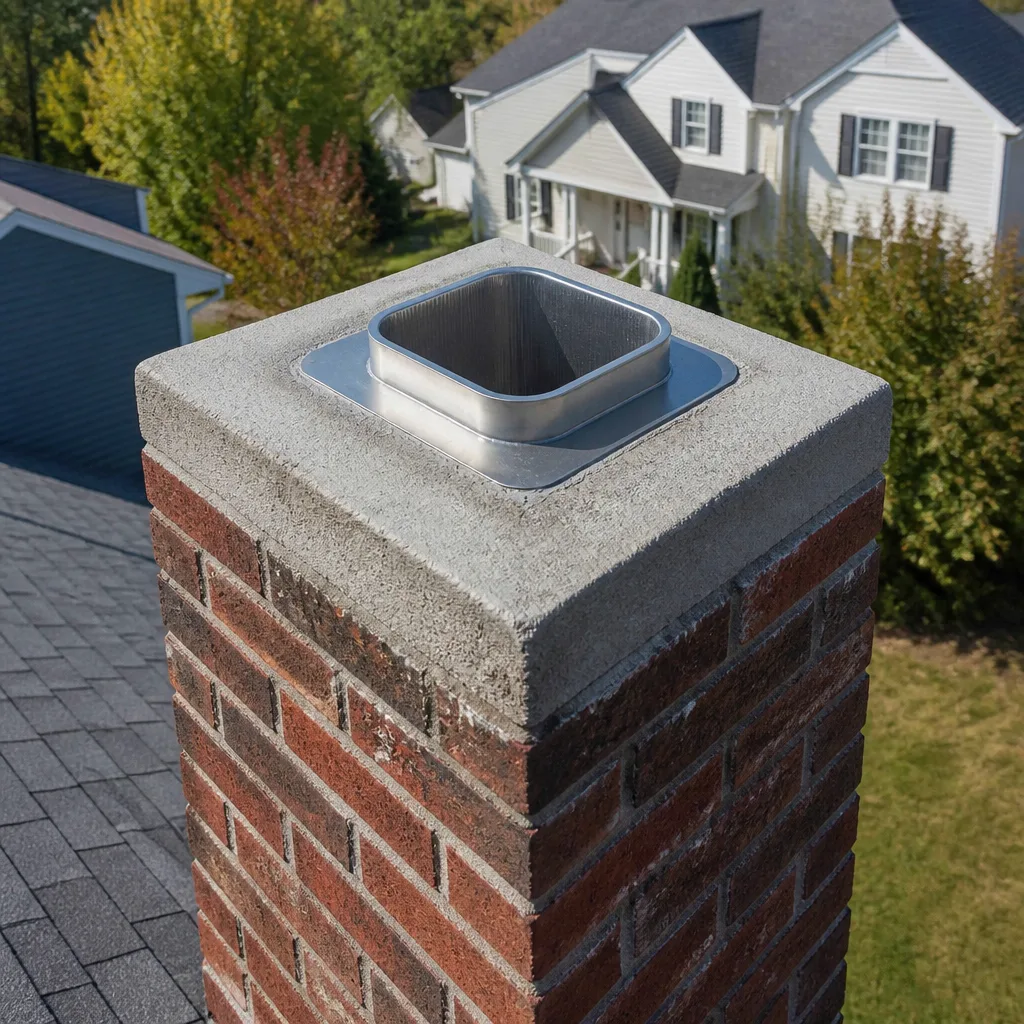
Level 1 sweep and inspection to the NFPA 211 annual standard - flue, crown, cap, and flashing checked and photographed
Chimney sweep logs do not sweep chimneys. They loosen some creosote - which then falls where a brush and vacuum still have to collect it.
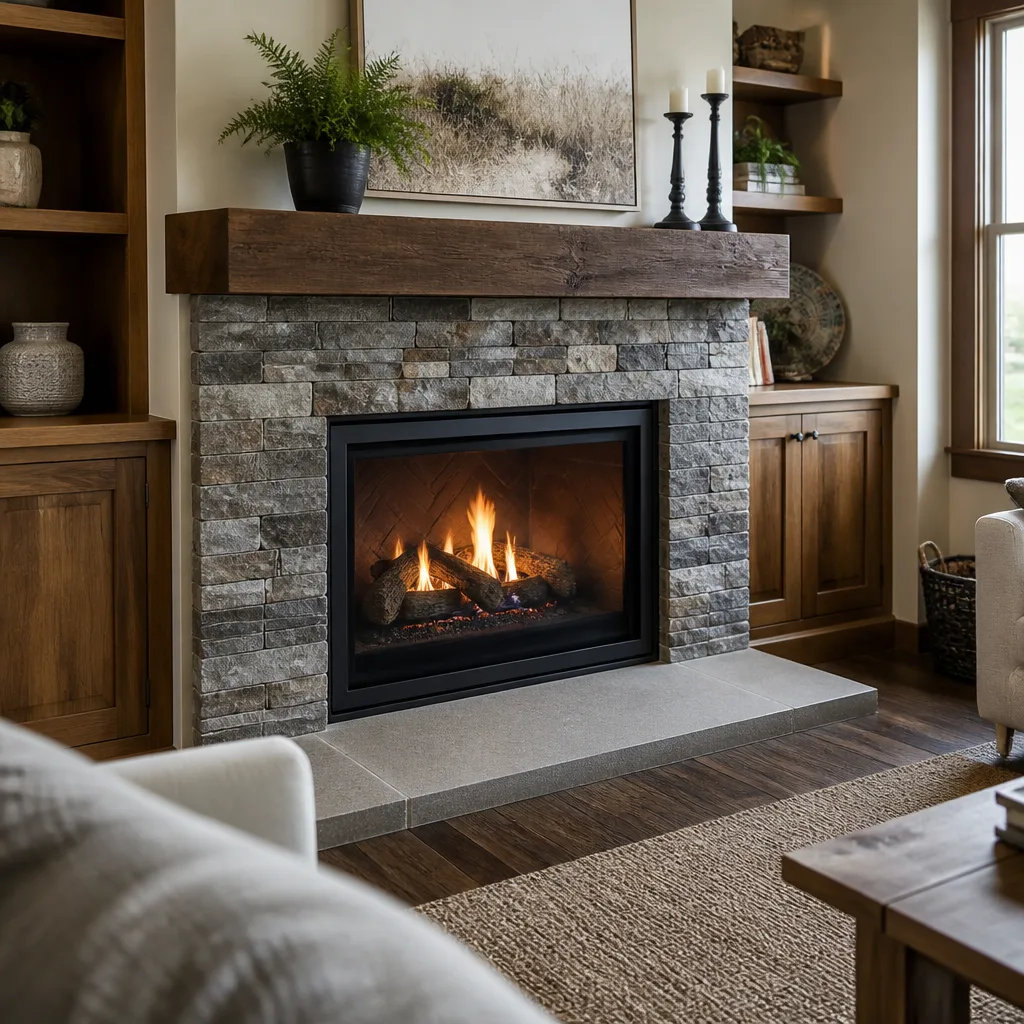
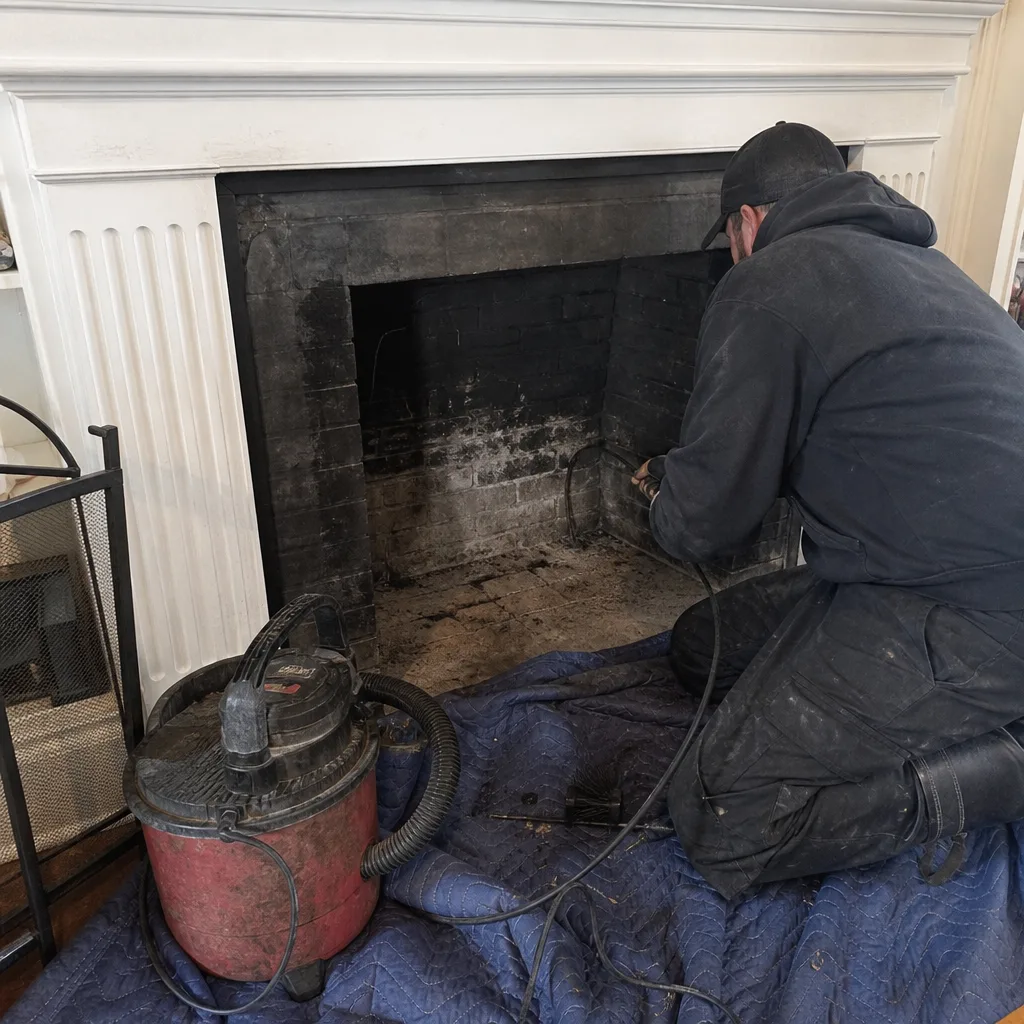 Before
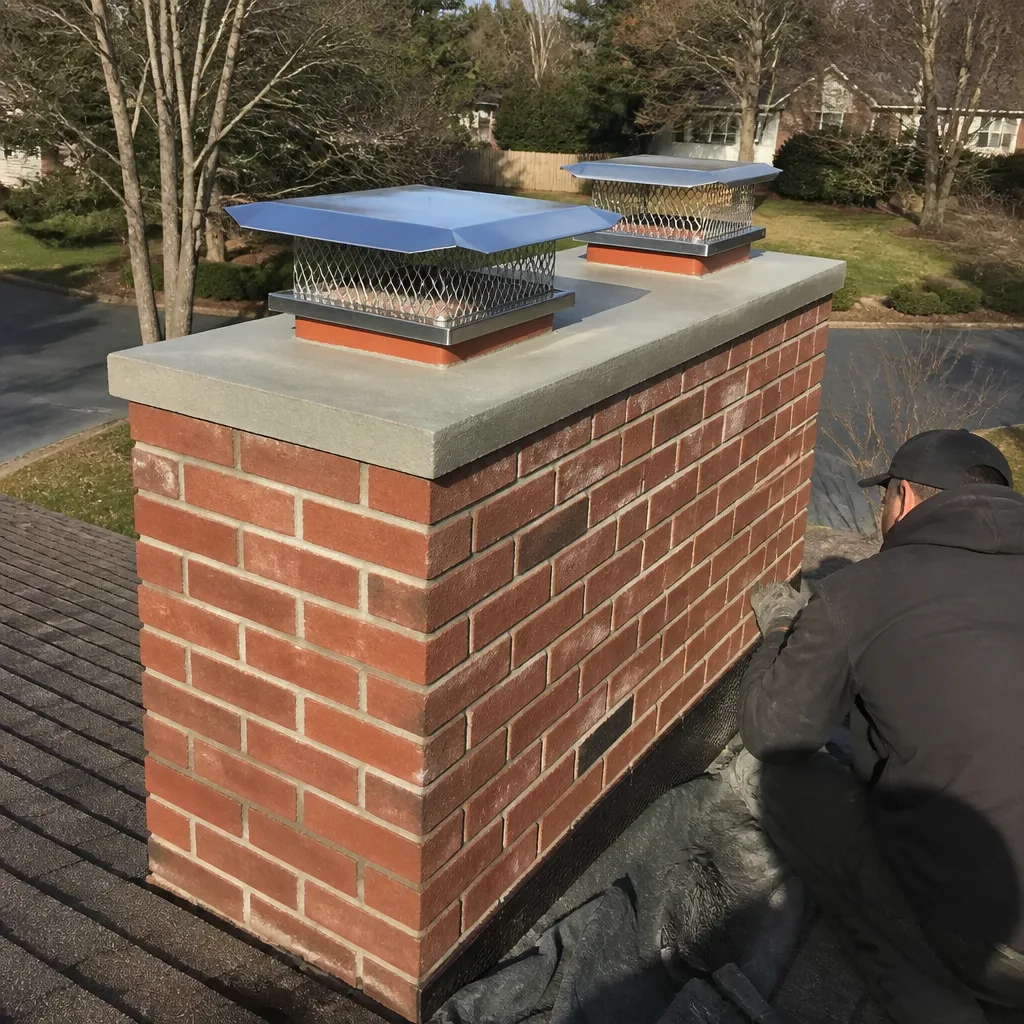 After
After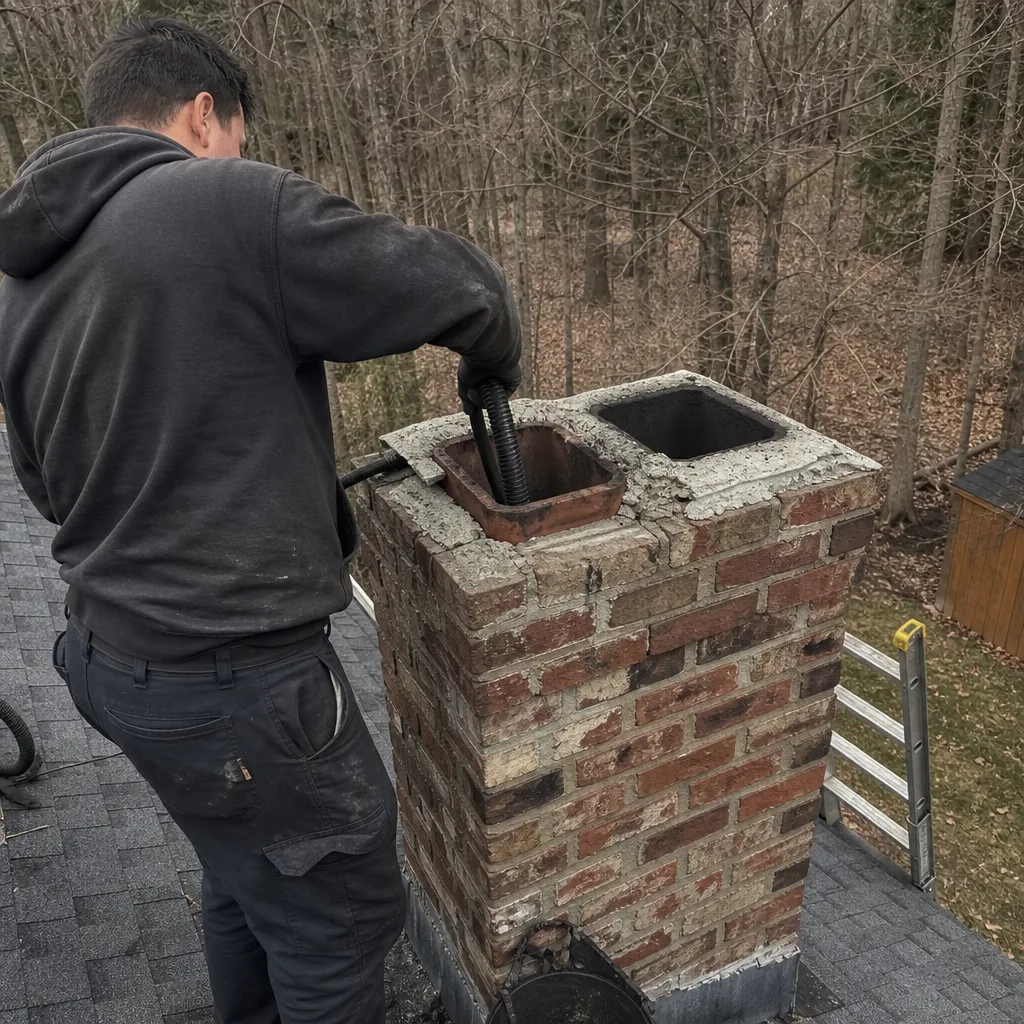 Before
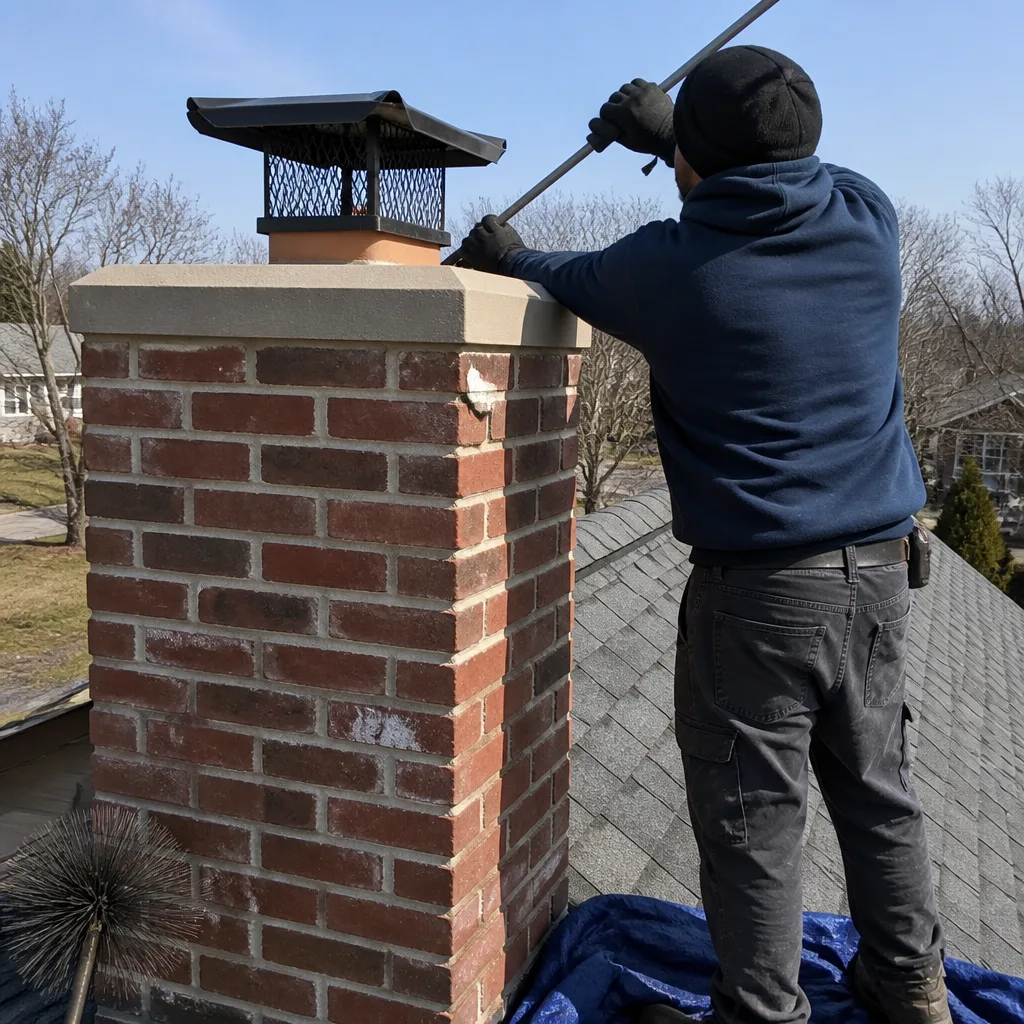 After
After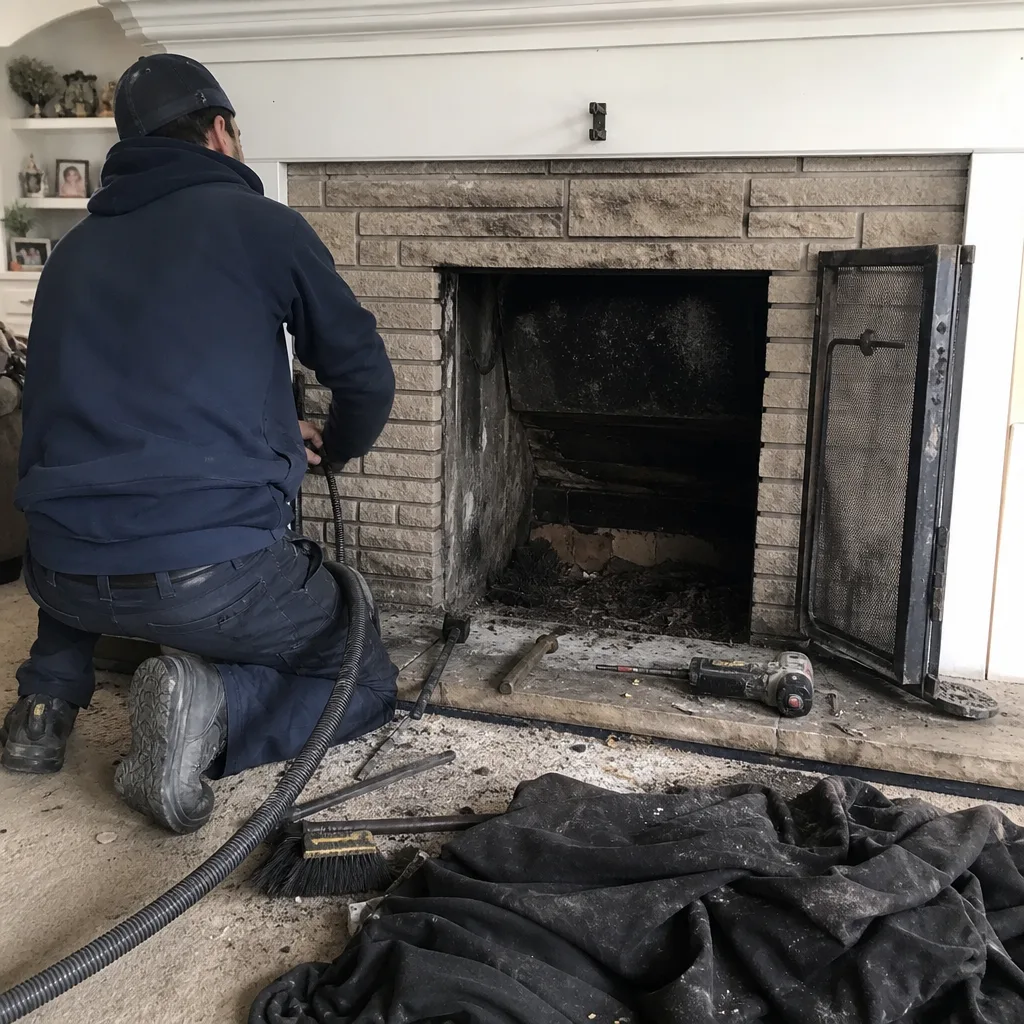 Before
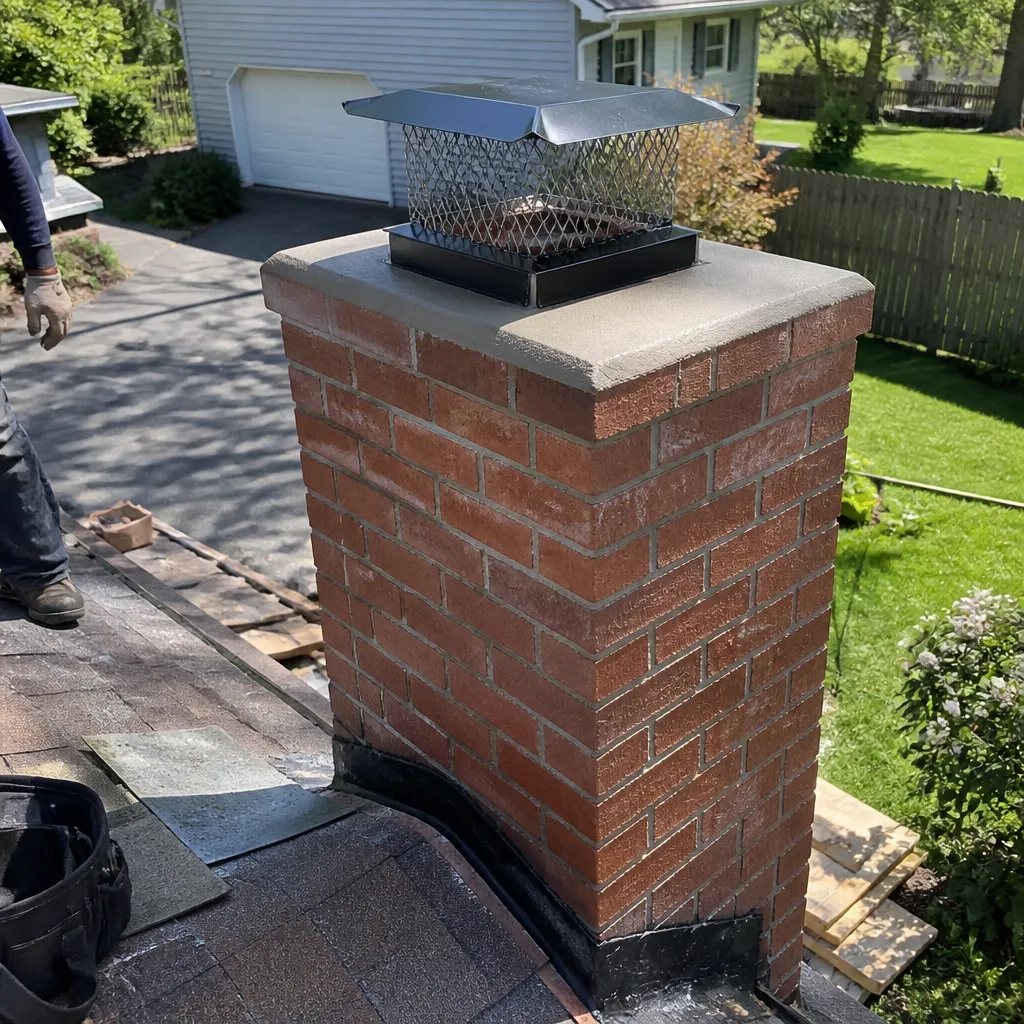 After
AfterSeasonal Chimney Cleaning Care for Jamesburg: Year-Round Homeowner’s Guide
The worst time to discover you have a chimney problem is the first cold night in October when you go to light a fire and the smoke rolls back into the living room instead of up the flue. Most of those surprises could have been caught during a five-minute look in July. Here’s the thing about chimneys in Jamesburg: they don’t fail on any particular date. They fail slowly, season by season, each one leaving its own kind of mark. Freeze-thaw cycles work on the mortar. Summer humidity works on the damper. Fall rains find the cracks spring left behind. By the time you strike a match in late autumn, everything that’s been accumulating since March is waiting to announce itself. This guide walks you through what your chimney needs from you in every season, what to look for, when you can safely wait, and when you need a sweep who carries a camera.
Quick Answer
Seasonal chimney care in Jamesburg means one professional sweep per year regardless of how often you burn, plus seasonal spot-checks for moisture damage (spring), scheduling your cleaning during warm weather when liners are fully dry and flexible (summer), a pre-burn safety checklist before your first fire (fall), and burning practices that slow creosote buildup (winter). The annual sweep is best scheduled in late spring or summer, not the crowded fall rush, and Jamesburg’s freeze-thaw winters mean the crown, cap, and upper mortar joints need eyes on them every single spring.
Table of Contents
- Spring: What Snow Melt and Rain Do to Mortar and Crowns
- Summer: Why This Is the Smartest Time to Schedule Your Sweep
- Fall: The Pre-Season Checklist Before Your First Fire
- Winter: Burning Practices That Reduce Creosote Between Cleanings
- How Your Burning Habits Change the Seasonal Schedule
- Why “Once a Year, Burn or No Burn” Is the Rule in Jamesburg
- Common Mistakes to Avoid
- When to Call a Professional
- Frequently Asked Questions
- The Bottom Line
Spring: What Snow Melt and Rain Do to Mortar and Crowns
If you only inspect your chimney one time a year, make it April. Not October. By April, your chimney has just survived the most abusive months a masonry structure in central New Jersey can endure, and the evidence is all sitting right there on top of your house. Jamesburg winters bring dozens of freeze-thaw cycles. Water works into hairline cracks in the crown, the mortar joints, and the brick face. When it freezes, it expands. When it thaws, it drains, leaving a slightly larger crack behind. Repeat that thirty or forty times between December and March and those hairline cracks become channels. Spring is when you find out what winter actually did.
The crown, that concrete slab that caps the top of the chimney, takes the worst of it. A crown with even small cracks lets water straight down into the flue and the masonry below. That water isn’t just a nuisance. It soaks into the brick, freezes again next winter, and spalls the faces right off. We’ve seen crowns in Jamesburg lose a third of their surface area in a single bad winter because the previous spring’s cracks went unaddressed. The mortar joints are the same story. Soft, sandy mortar from an older home, and there are plenty of those in Jamesburg’s older neighborhoods, erodes visibly after a wet winter. If you run a flat hand over the brick and come away with grit, that’s your joint mortar dissolving.
What to check in spring:
- Stand in the yard and look at the crown. Cracks wider than a credit card are a spring repair job.
- Look for white staining (efflorescence) on the brick. That means water has been moving through the masonry, not down the flue.
- Check the flashing where the chimney meets the roofline. Spring melt exposes sealant that has peeled or pulled away.
- Peek inside the firebox for any damp streaks or crumbling mortar that weren’t there in the fall.
None of this requires getting on the roof. A pair of binoculars and a dry afternoon will answer most of it. If something looks wrong, that’s the time to act, because every month of delay through summer is another month of exposure. The fix this spring is a tenth the cost of what the same crack will cost after another winter. For a full picture of what a sweep looks at internally, see our Chimney Cleaning & Sweep in Jamesburg page.
Summer: Why This Is the Smartest Time to Schedule Your Sweep
Summer is the best time of year to have your chimney cleaned in Jamesburg, and almost nobody does it. The logic is understandable. You’re not using the fireplace, so it doesn’t feel urgent. But that’s exactly why it works. The flue is dry. The creosote that built up during winter has had time to cure and lose its surface moisture, which means a sweep can see what’s actually there, not what’s softened by condensation. The liner is warm enough to be flexible, which matters when we’re inspecting a stainless or aluminum liner. The air is stable, which makes for a more thorough camera inspection. And the schedule is open.
Ask anyone on our street. The fall rush in chimney cleaning is a real thing. Every year starting in late September, every sweep in Middlesex County is booked two or three weeks out while every homeowner suddenly remembers that burning season starts next month. That’s the national chains’ favorite time of year too, because a jammed schedule means less time per job and more pressure to upsell. A summer sweep is a completely different experience. Wendell and his crew can take the time to show you the camera footage, talk through what’s normal and what isn’t, and give you a plain-English verdict without anyone rushing to the next appointment.
When you schedule a summer cleaning, here’s what to ask your sweep to check while the conditions are ideal:
- Run the camera all the way up the flue. Ask to see the footage. Any sweep who won’t show you the inside of your own chimney is not worth the fee.
- Look at the smoke chamber, the shelf area just above the damper where smoke compresses before entering the flue. It’s the most common place for hidden creosote and the most frequently skipped surface.
- Inspect the damper itself while the fireplace is cool and not in use. A damper that’s warped from heat or rusted from moisture is easy to fix in July and a crisis in November.
- Check the cap and screen. Summer is nesting season. Birds, squirrels, and raccoons find uncapped chimneys irresistible. A cap with even a loose section lets them and their debris in.
If you’re considering liner work, summer is also when it’s delivered cleanest. We work with HeatShield and Olympia Chimney products, and a resurfaced or repaired liner needs dry conditions and stable temperatures to cure properly. July beats November on both fronts. For a deeper look at what happens during a proper cleaning, start with the Top Hat Chimney home page.
Fall: The Pre-Season Checklist Before Your First Fire
By the time September rolls around in Jamesburg, the evenings start getting cool enough that the fireplace feels like a friend again. This is the moment most homeowners think about chimney maintenance for the first time all year. If you did your spring inspection and your summer sweep, great. You’re ahead of nearly everyone. But you still need a functional pre-burn checklist before that first fire, because summer brings its own issues and a few months of disuse hides them well.
The fall checklist is about making sure the system actually works, not just that it was clean when last seen. Run through these steps in order, ideally a week or two before you plan your first burn so any problems can be fixed while the weather is still mild:
- Check the damper. It should open fully, stay open without sticking, and close flush. If it’s hard to move, don’t force it. That’s a call to a repair person, not a DIY project with a wrench and hope.
- Look up with a flashlight. You should see the damper framing, the smoke chamber, and the beginning of the flue. If you see daylight where you shouldn’t, or a pile of debris, stop. If you see a nest or animal, don’t smoke it out. Call someone who deals with it properly.
- Check the chimney top from outside. The cap should be seated straight, the screen intact, and no branches leaning against the masonry. A missing cap in October means burning season is over before it starts for most homeowners.
- Test the carbon monoxide detector. This isn’t chimney-specific, but it’s the single most important piece of fire safety equipment in your home. Replace the batteries every fall, no exceptions.
- Clear the hearth area. Firewood, kindling, newspapers, furniture too close to the fireplace, anything flammable should be at least three feet from the firebox opening. This includes Christmas decorations, which is a conversation we have every single December.
One thing worth knowing as a homeowner: that first fire of the season will sometimes smell unusual even in a clean chimney. Dust, pollen, and whatever else drifted into the flue over summer burns off quickly. A clean, well-maintained chimney should draft properly within minutes. If the smoke rolls back into the room or the smell persists after the first half hour, stop burning and get it looked at. That’s not normal. That’s a sign something is blocking or sealing the flue. For fireplace-specific services, see our Fireplace Services in Jamesburg page.
Winter: Burning Practices That Reduce Creosote Between Cleanings
Winter in Jamesburg is when the fireplace earns its keep. It’s also when creosote builds fastest. The chemistry is simple: creosote forms when wood smoke cools too quickly and condenses on the flue walls before it can exit the chimney. The cooler your chimney, the more creosote you produce. And in central New Jersey, we don’t get the deep, sustained cold that keeps flues hot. We get the shoulder-season temperature swings that make flue temperatures fluctuate, and that’s prime creosote-forming territory.
Burning habits matter more than most homeowners realize. You can’t prevent creosote entirely, but you can dramatically slow its accumulation, especially in a climate like Jamesburg’s:
- Burn dry hardwood. Oak, maple, hickory, or beech seasoned at least 12 months. Wet or green wood produces a cooler, smokier fire and leaves tar-heavy creosote behind. If the wood hisses or bubbles, it’s not ready.
- Burn hot, not smoldering. A lazy, air-starved fire produces smoke that doesn’t rise fast enough and condenses on every surface it passes. Open the damper fully and give the fire air. A fire that burns vigorously for two hours leaves less creosote than one that smolders for six.
- Don’t burn paper or cardboard. It seems harmless, but paper produces light ash that drifts up and clings to creosote, creating a fluffy, highly flammable layer. Same with wrapping paper, which is loaded with chemical dyes and coatings.
- Don’t burn construction wood. Treated, painted, or glued lumber burns hotter and releases toxic fumes at the same time. It also leaves a residue that doesn’t brush off cleanly.
- Small, hot fires beat big, damp ones. If you only burn occasionally, a roaring fire for an evening a few times a week is better for your flue than a weak fire every single night.
Even with perfect burning habits, creosote accumulates. That’s not a failure of technique, it’s just the nature of wood combustion. The only reliable way to remove it is mechanical brushing by a trained sweep. This is not a task to take on with a hardware store brush kit. Creosote removal inside a chimney is genuinely dangerous work, and falling from a roofline is a leading cause of home injury. Wendell and his crew have been doing this since 1999 and have the equipment to do it safely. Your flue doesn’t care how the fire looks. It cares how it breathes.
How Your Burning Habits Change the Seasonal Schedule
The standard advice, “have your chimney swept once a year,” holds true for the majority of Jamesburg homeowners. But the specific timing and the level of attention your chimney needs should shift based on how you actually use it. A wood-burning fireplace that runs three nights a week from October through March has a very different maintenance profile than a pellet insert that runs every day or a fireplace that never gets lit at all.
Here’s how three common Jamesburg usage patterns should adjust your seasonal approach:
The weekend wood burner: You light a fire Friday and Saturday evenings, maybe Sunday afternoon during football season. That’s roughly 100-120 burns per year. Your creosote builds slowly but steadily, and your primary risk is first-degree creosote, the dry, flaky kind that brushes off easily if caught within a year. Your seasonal schedule is simple: spring inspection, summer sweep, fall checklist, winter burning. Once a year, burn or no burn. This is the easiest profile to maintain.
The daily pellet insert user: Pellet stoves and inserts burn cleaner than cord wood, but they’re not maintenance-free. The exhaust vent, not the flue, is where problems concentrate. Ash accumulates fast, and the venting needs cleaning every one to two tons of pellets, which for a household that burns daily means two or three cleanings per year. The good news is pellet systems are accessible and many of these cleanings are quick. The bad news is the ash is fine and corrosive, and neglecting the vent shortens the life of the whole insert. If you fall into this category, schedule a midsummer cleaning and a midwinter cleaning, not one annual visit.
The fireplace that never burns: This is the most overlooked chimney in Jamesburg. An unused fireplace still takes on water. The flue still gets damp. Animals still find their way inside. The damper still rusts. In fact, unused chimneys sometimes develop problems faster than used ones because they never heat up and dry out. If you don’t burn at all, you still need an annual visual inspection and a sweep less often, perhaps every two to three years, but the annual look is non-negotiable. Chimneys break in the off-season too. That’s not a slogan. It’s the job description.
One more variable worth mentioning: conversions. Plenty of Jamesburg homes have converted from wood to gas or installed a ventless gas log set. Gas exhaust has different chemistry than wood smoke. It’s cooler and wetter, and it produces acidic condensation that eats at masonry and liners differently than creosote does. If you’ve switched to gas, your chimney still needs a yearly check, but the specific concerns change. Make sure your sweep knows what fuel you’re burning before the appointment. We install and service gas-appropriate venting with brands like Famco and work with Gelco for water-repellent sealants that gas exhaust makes more necessary.
Why “Once a Year, Burn or No Burn” Is the Rule in Jamesburg
Jamesburg sits in a climate that’s especially hard on chimneys because we get a little of everything. Rain, snow, hard freezes, quick thaws, humid summers, damp autumns. A chimney in a dry southwestern climate can go longer between inspections because water isn’t attacking it from every angle all year. A chimney in Jamesburg can’t. The freeze-thaw cycle alone, the one that turns hairline cracks into structural gaps, makes an annual inspection the minimum responsible approach for any homeowner who intends to stay in their house.
The sweep itself clears what’s accumulated. The inspection is what catches what’s changing. Those are two different things, and a lot of homeowners don’t realize they’re bundled together. Every professional sweep should include both, and every sweep should end with a camera showing you the inside of your flue. We don’t do a cleaning without the camera. The camera footage and a plain-English verdict, every time, no exceptions. That’s not an upsell. That’s the job.
What an annual inspection catches that a cleaning doesn’t always reveal:
- Early-stage spalling on the exterior brick, which if left alone leads to full brick replacement rather than repointing.
- Deteriorating mortar joints in the lower firebox, which is a structural issue, not a cosmetic one.
- Rust-through on the damper assembly, which is invisible unless you specifically look at the metal, not the flue above it.
- Crown sealant that has lifted away from the masonry, which creates a pocket for water to sit and freeze.
- Flashing that has shifted slightly out of place, sometimes from nothing more than a few seasons of normal expansion and contraction.
None of these problems fix themselves. All of them get worse every month they’re left alone. That’s the argument for an annual visit. Not that your chimney will definitely fail this year if you skip it, but that catching a small problem in year one is always cheaper than catching the same problem in year five. Our Chimney Repair in Jamesburg page goes deeper on the specific fixes we commonly make.
Common Mistakes to Avoid
- Skipping the spring inspection because the fireplace worked fine all winter. The fireplace working fine tells you about the flue’s draft, not the crown’s integrity. Damage accumulates when the chimney isn’t in use. The spring look is about water, not smoke.
- Waiting until October to call a sweep. In Jamesburg, as in every town with real winters, fall is when every chimney company is booked solid. A summer sweep gets you a flexible appointment, a dry flue, and a full inspection without anyone rushing.
- Burning whatever wood falls into your lap. Fresh-cut oak from last month’s storm is not firewood. It’s an advertisement for creosote. If it hisses, it’s too wet, and every fire with wet wood is building the exact flammable layer a sweep has to remove.
- Assuming a gas fireplace needs no maintenance. Gas logs and inserts still vent through a flue, still produce condensation, and still attract animals through an unsecured cap. Less frequent cleaning than wood, yes. Zero maintenance, no.
- Accepting a quote without seeing the camera footage. If a sweep tells you the liner is cracked or the crown needs replacement and won’t show you the video, get a second opinion immediately. This is also where our free second opinion offer on any written estimate comes in handy.
- Ignoring a small stain on the ceiling near the chimney. That water mark is the chimney leaking. It didn’t come from anywhere else. And it’s been leaking long enough to soak through framing before you saw it. Call before the next rain does more.
When to Call a Professional
Call a chimney professional when you see water stains on ceilings or walls near the chimney, when smoke rolls back into the room during a fire, when you smell something sharp and tar-like even when the fireplace is cold, when mortar is crumbling visibly from the exterior brick, or when you hear animal sounds coming from the flue. These are not conditions that resolve with time. They resolve with diagnosis and repair. Top Hat Chimney offers free estimates in Jamesburg, and Wendell will walk you through exactly what he finds. Call (609) 905-5820.
Frequently Asked Questions
Chimney sweeping in Jamesburg typically runs between $180 and $325 for a standard open-flue fireplace, with creosote condition, roof pitch, and liner type nudging the final number one way or the other. The best way to get an exact price is to call (609) 905-5820. Top Hat Chimney gives you the price before a single tool comes off the truck, and the number you hear on the phone is the number on the invoice.
You need a new liner only if the camera footage shows the current one has failed, meaning it’s cracked, separated, or rusted through enough that exhaust gases can leak into the house. Not every liner recommendation is legitimate, which is why we use a camera on every job and hand you the evidence before any recommendation is made. If you’ve been quoted a liner replacement by another company, Top Hat Chimney offers a free second opinion on any written estimate. Bring the quote and we’ll show you the video that does or doesn’t back it up.
A wood-burning fireplace in Jamesburg should be swept once a year, every year, burn or no burn. If you burn more than three nights a week during winter, you may need a mid-season sweep. Gas fireplaces can often go two years between cleanings, but they still need an annual visual inspection because water and animals damage unused or low-use chimneys just as reliably as fire does.
Creosote keeps building. The flue narrows. Draft worsens. The creosote eventually reaches a thickness and temperature where it ignites, and a chimney fire burns at temperatures that crack liners, warp dampers, and can spread to the roof structure in minutes. Not every skipped cleaning leads to a chimney fire, but every chimney fire starts with creosote that wasn’t removed. The upside is that creosote removal is cheap and uncomplicated compared to the alternatives.
You can, but most people who try it either do an incomplete job or put themselves on a roof with no safety equipment and no experience. Chimney sweeping means working at height and handling combustible residue. It’s genuinely dangerous work for someone who doesn’t do it every day. Wendell and his crew have the proper brushes, rods, tarps, vacuums, and fall protection, and they’ll show you the camera footage afterward so you know the job was actually done.
Yes, for three reasons: the flue is dry so creosote is easier to see and remove, the schedule is open so you’re not competing with every other Jamesburg homeowner who waited until October, and any repairs you discover can be completed before burning season starts. A chimney cleaned in July is ready to burn in November. A chimney first looked at in November may have to wait weeks for the fix it needs. Call (609) 905-5820 for a free summer estimate.
The Bottom Line
Your chimney lives in the same weather you do, and in Jamesburg that weather is hard on masonry. Spring checks catch winter’s damage. Summer sweeps give you the cleanest look at what’s inside. Fall checklists make sure the first fire is a warm one, not a smoky one. Winter habits control how fast creosote returns. Once a year, burn or no burn. That’s the rule that keeps a fireplace safe for decades instead of a few good seasons. If you’ve been putting it off, call (609) 905-5820. Wendell answers the phone himself most of the time, and he’ll tell you straight whether your chimney needs a visit now or can wait until spring.
Written by Wendell Pike, Owner at Top Hat Chimney, serving Jamesburg since 1999.