
Last updated September 10, 2026
Level 1 sweep and inspection to the NFPA 211 annual standard - flue, crown, cap, and flashing checked and photographed
Chimney sweep logs do not sweep chimneys. They loosen some creosote - which then falls where a brush and vacuum still have to collect it.
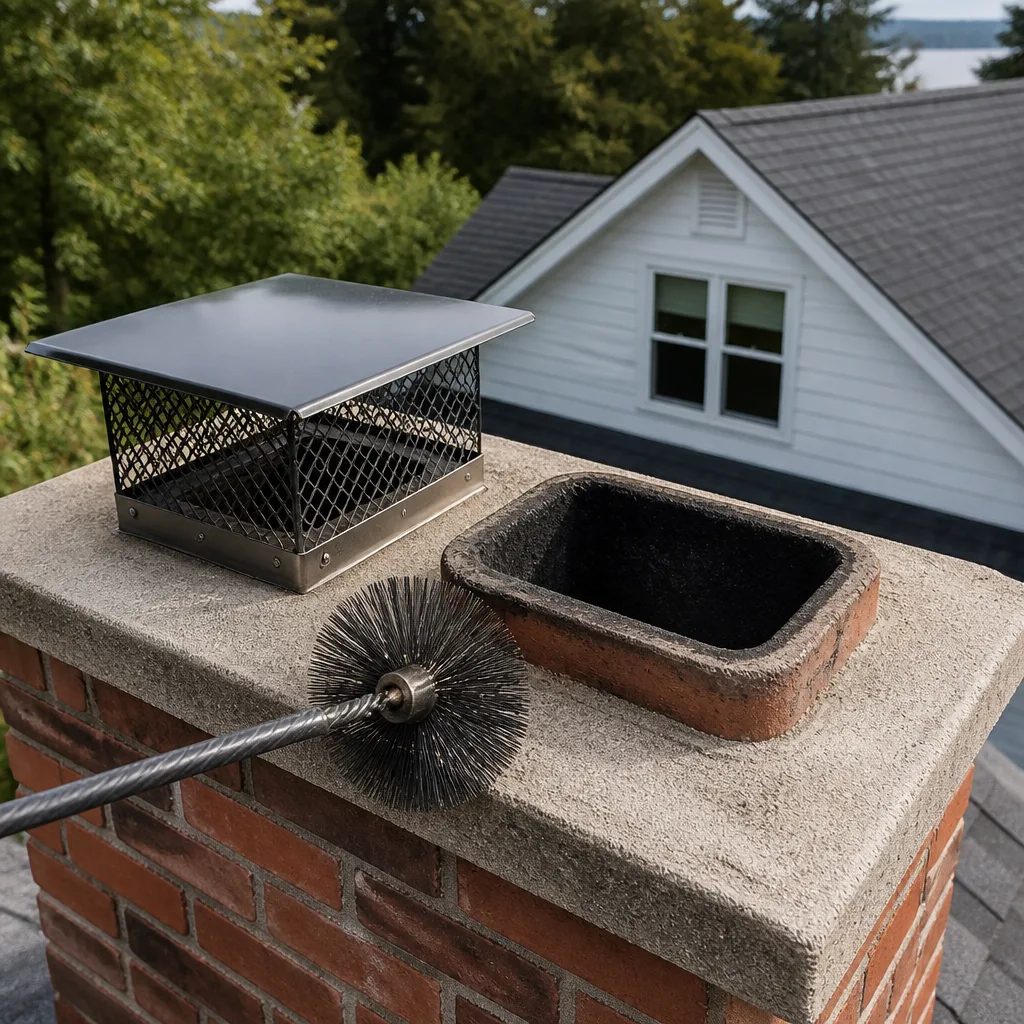
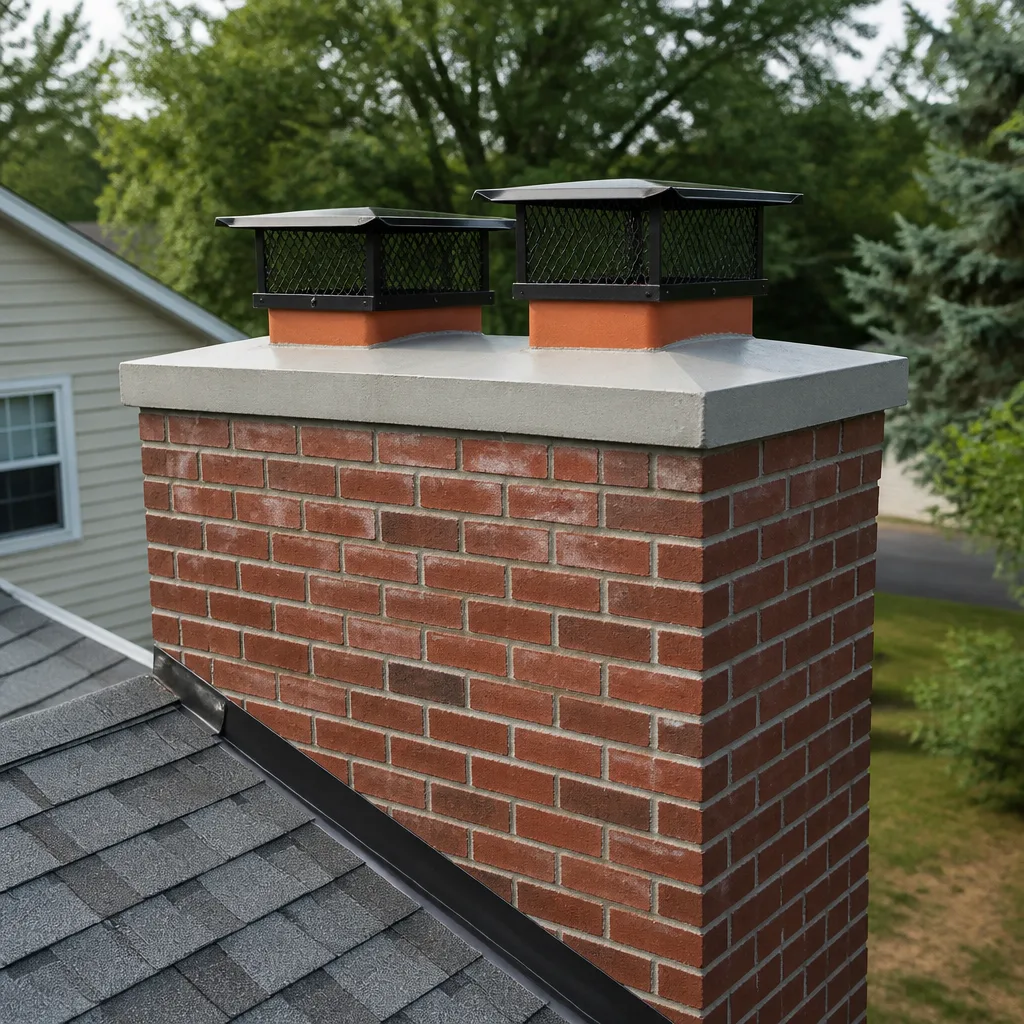
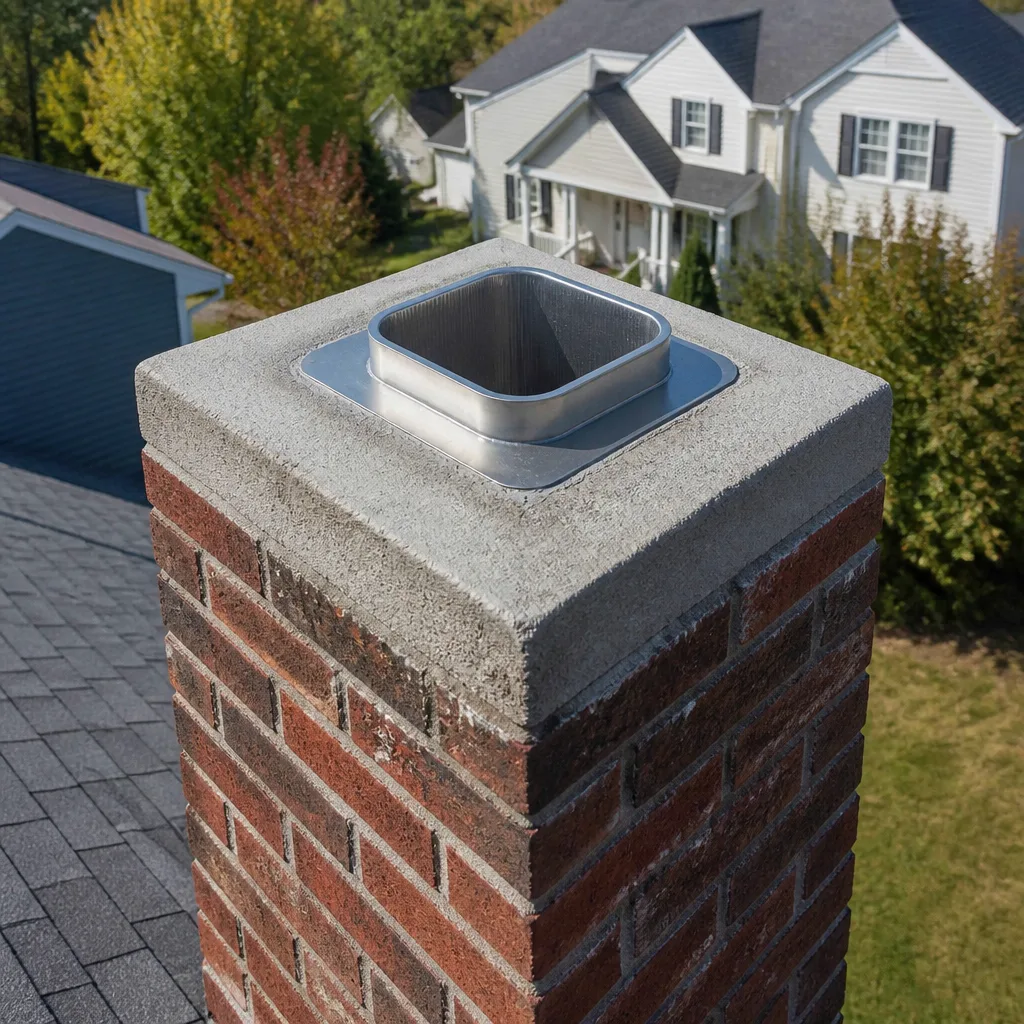
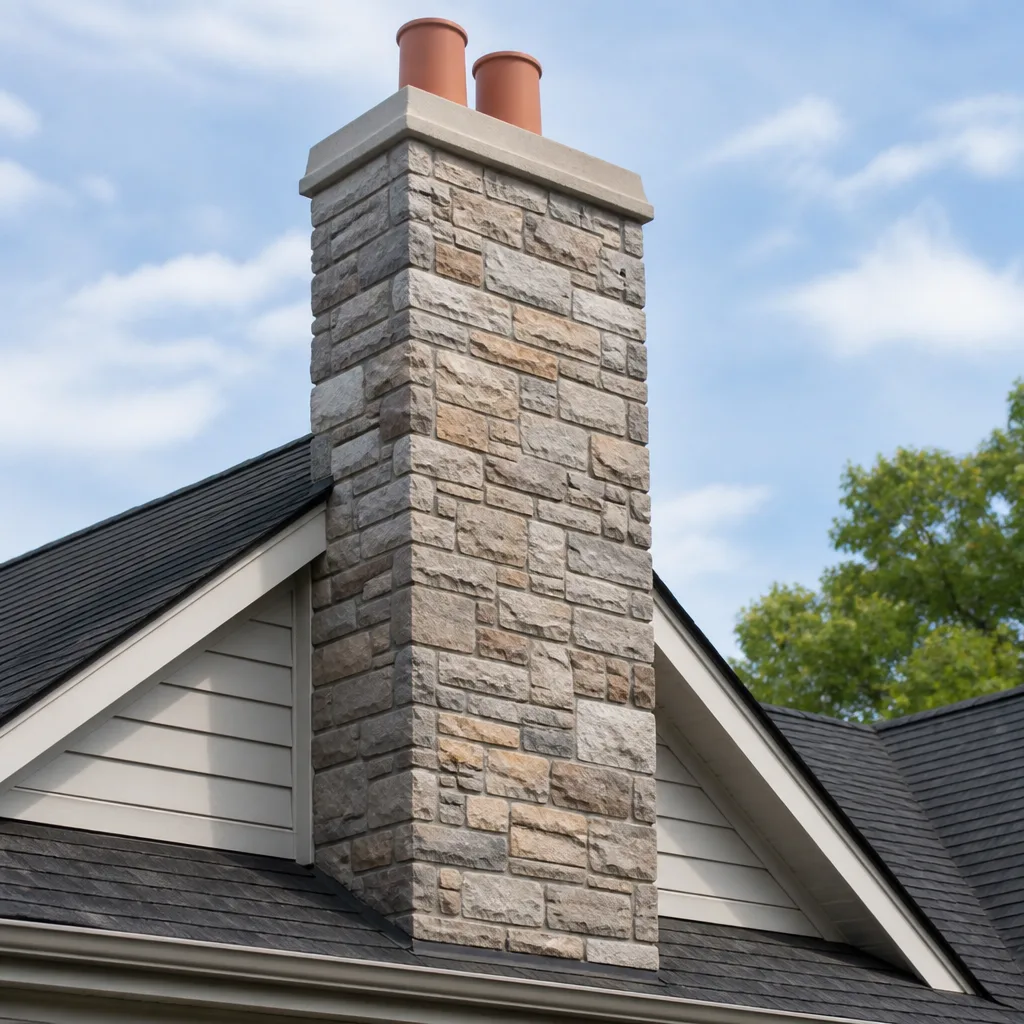
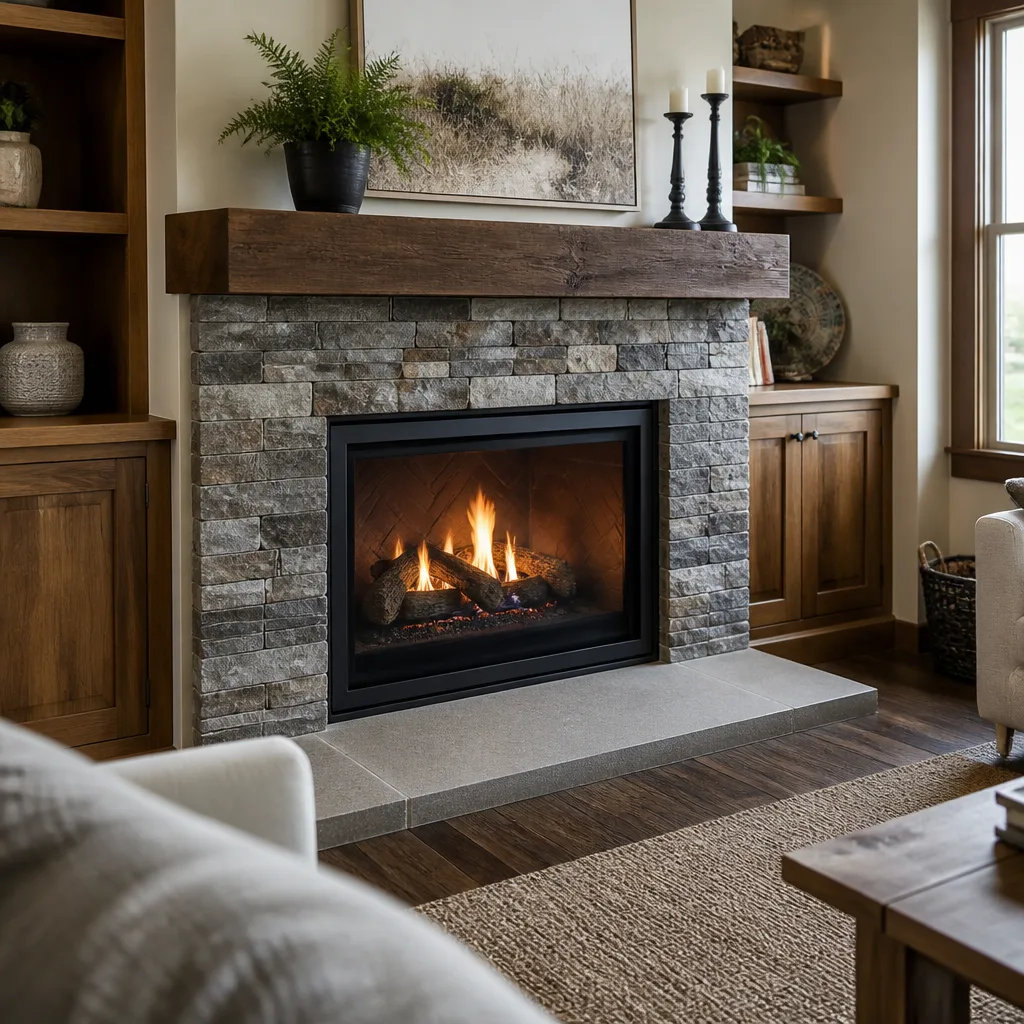
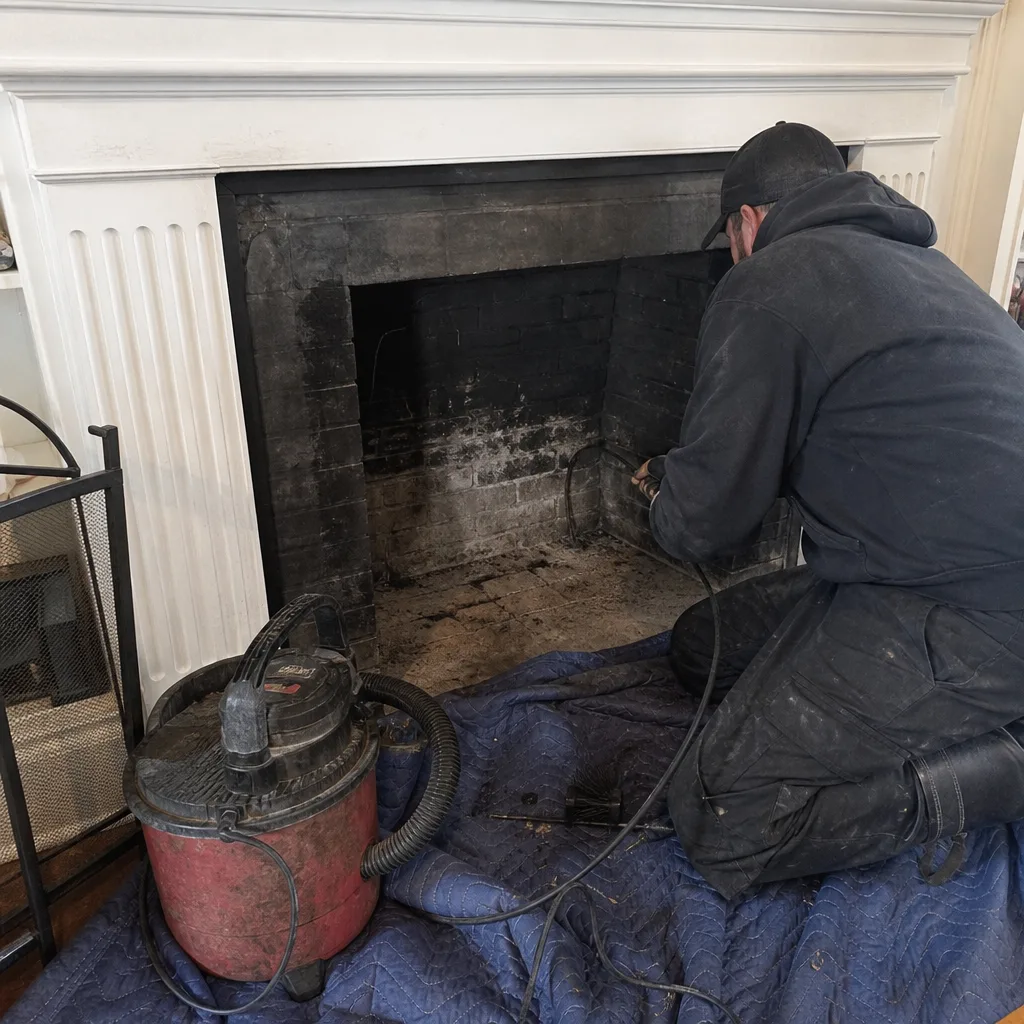 Before
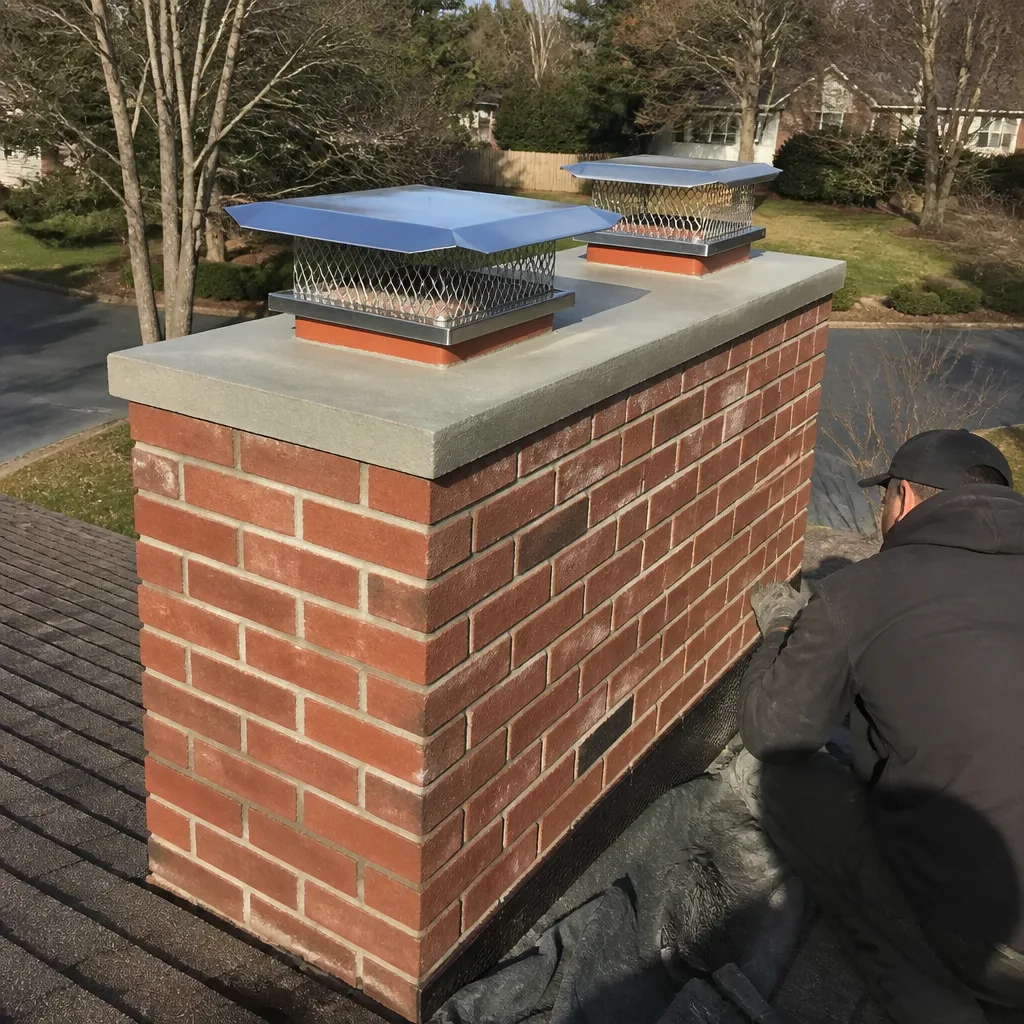 After
After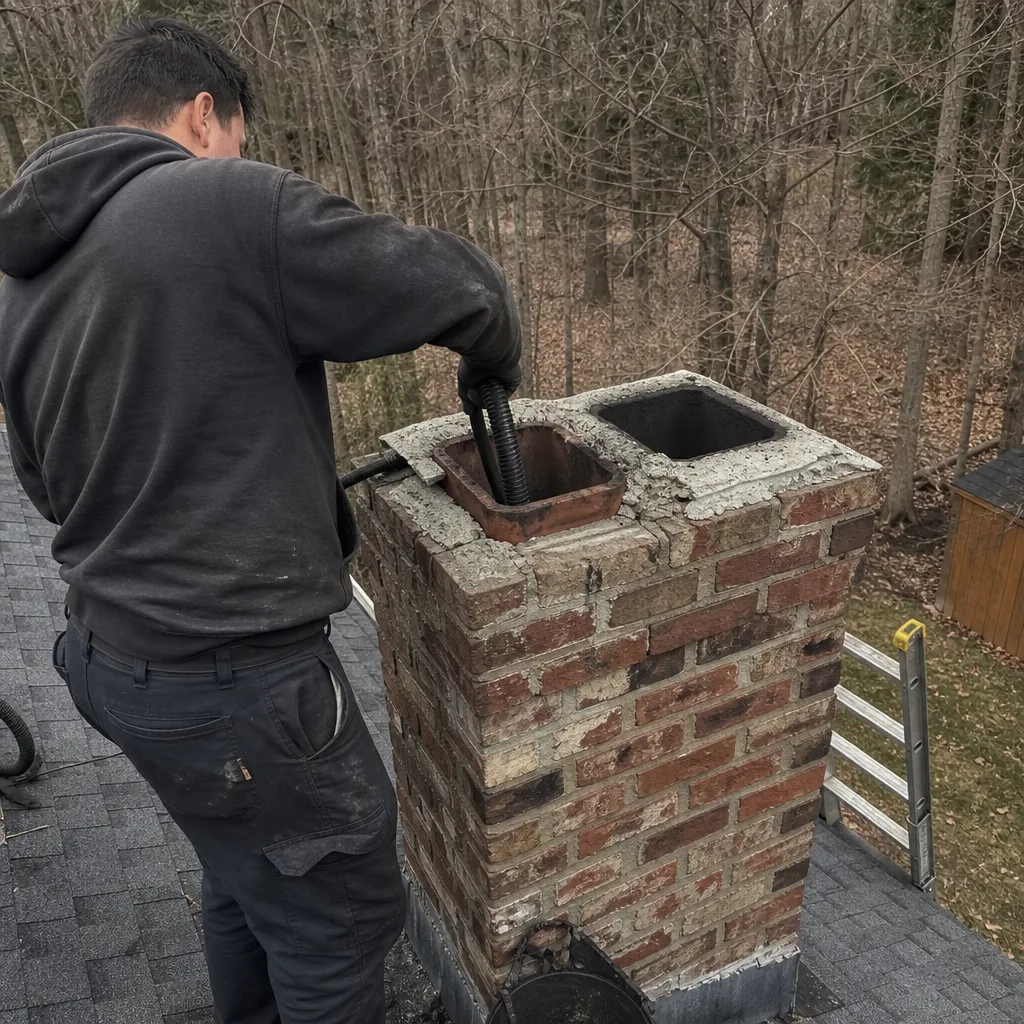 Before
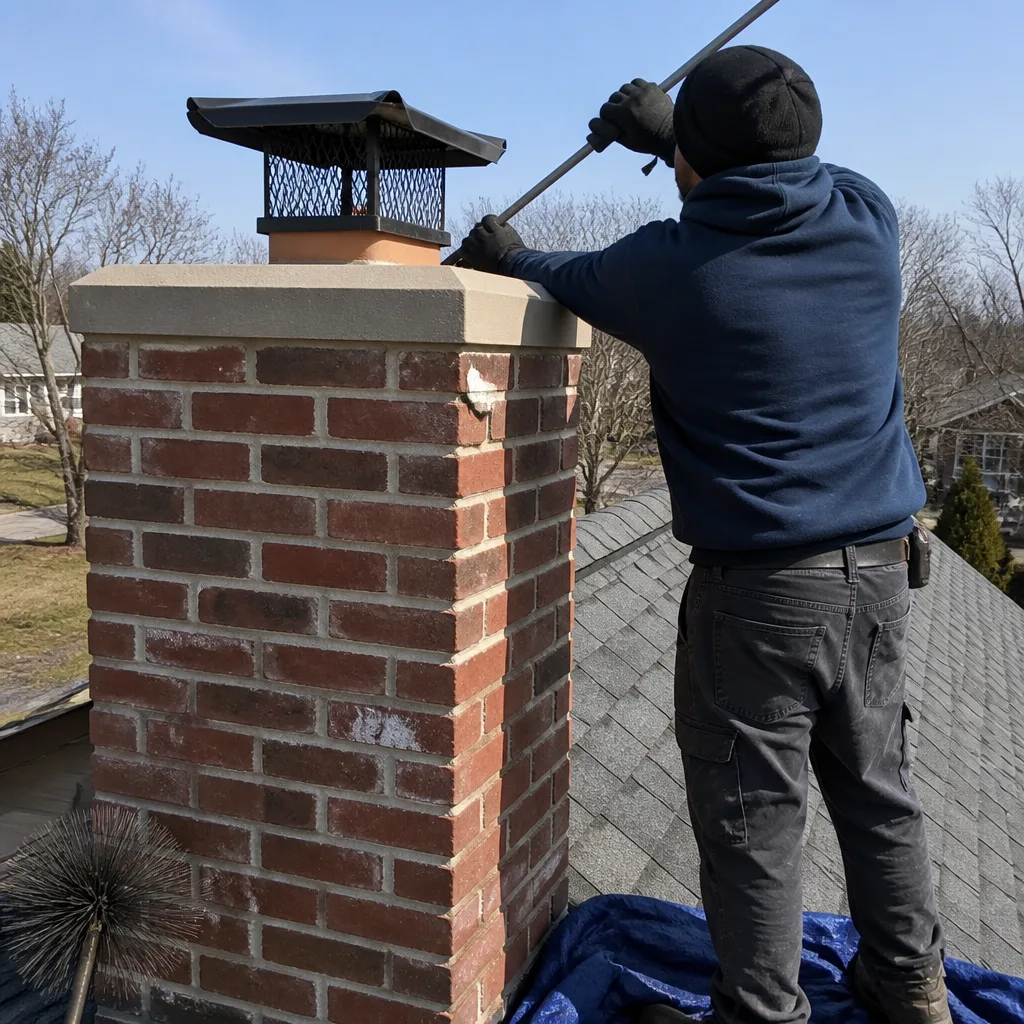 After
After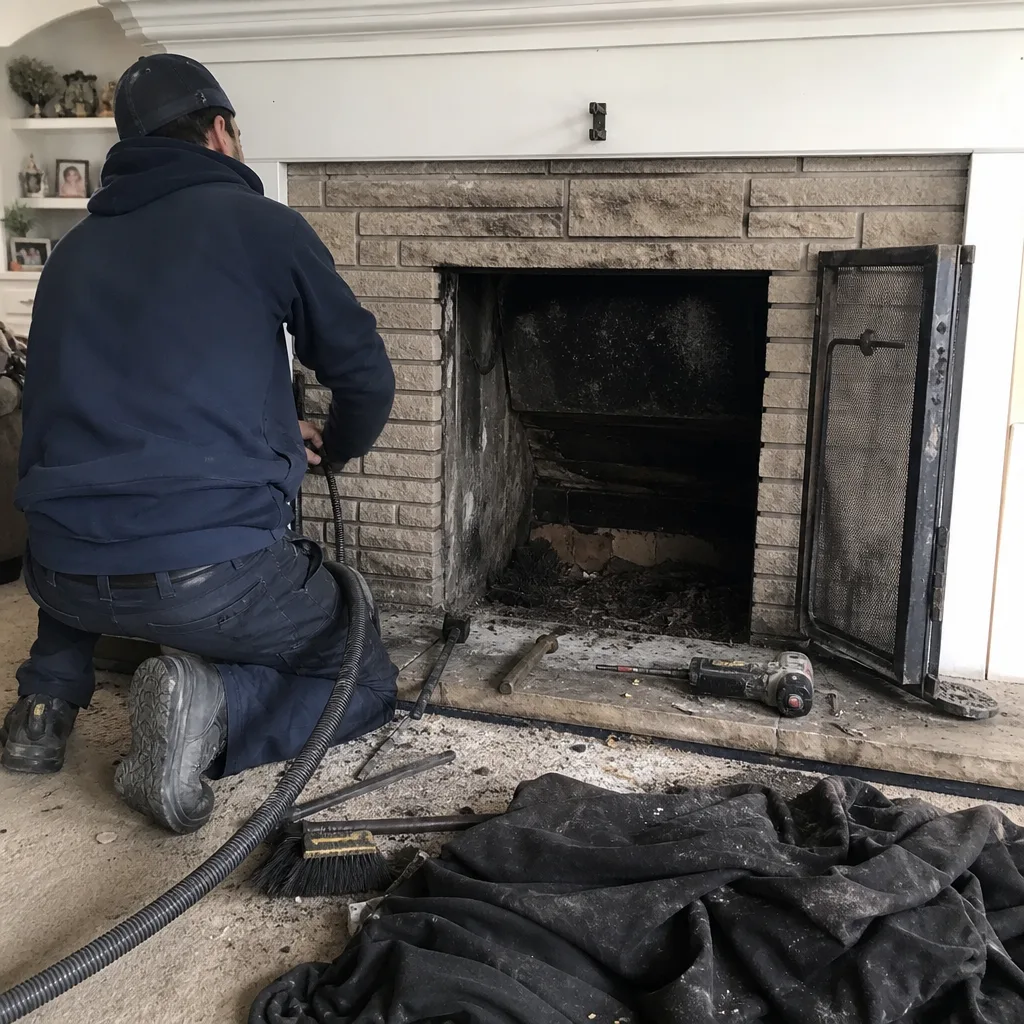 Before
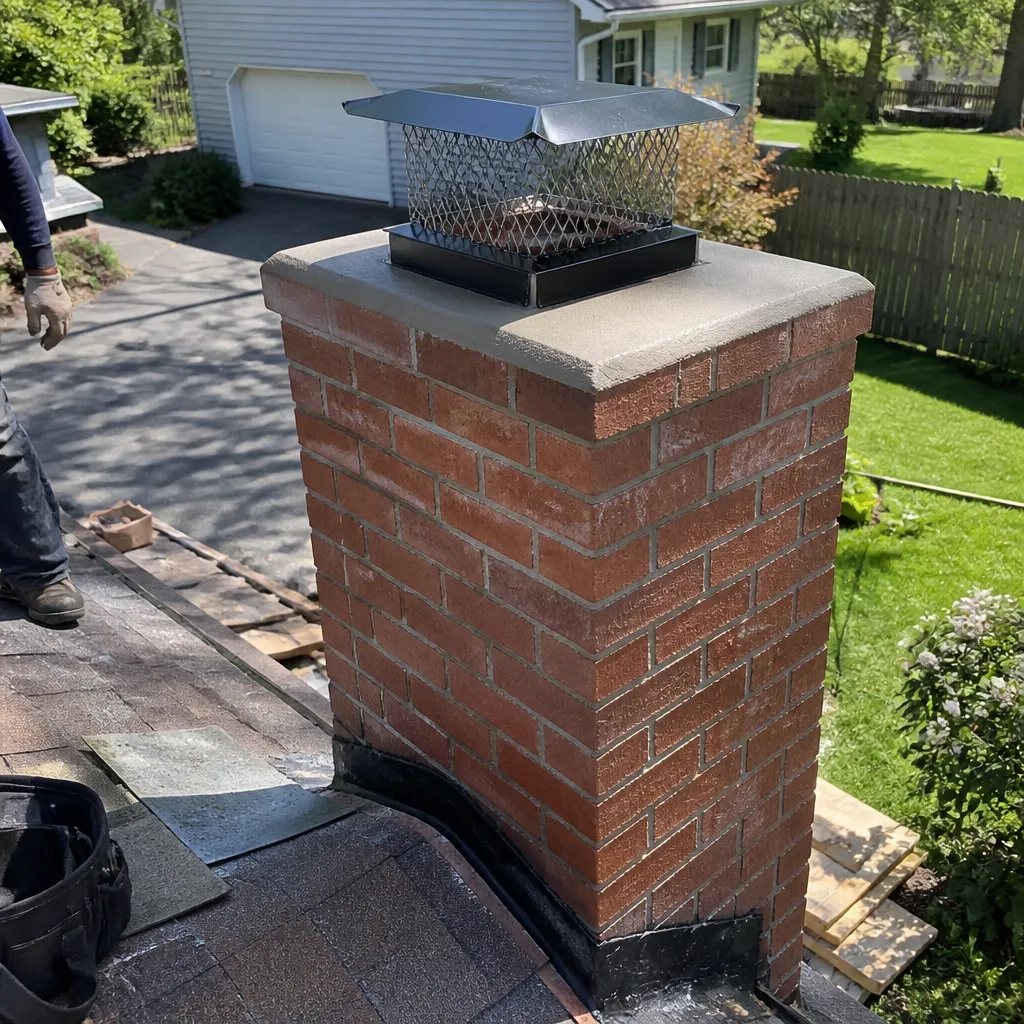 After
AfterChimney Cleaning Permits, Codes & Inspections in NJ: What You Need to Know
Here’s a fact most homeowners in Jamesburg don’t learn until something goes wrong: a standard chimney sweep almost never requires a permit anywhere in New Jersey. Slide a brush up the flue, vacuum out the ash, you’re done. But the moment work moves from cleaning to liner replacement, crown rebuild, or structural repair, the State’s Uniform Construction Code kicks in, and an unlicensed contractor who “forgets” the permit is handing you a liability you did not know you accepted. This guide draws that line clearly, explains what inspectors actually look for, and shows you how to protect yourself before the first tool comes off the truck. For a deeper dive, see our Complete Guide to Chimney Cleaning in Jamesburg.
Quick Answer
Routine chimney cleaning and sweeping requires no permit in New Jersey. However, flue liner installation, chimney rebuilds, and structural repairs fall under the NJ Uniform Construction Code and do require a permit pulled by a licensed contractor, followed by a code inspection. Always get the permit number in writing before repair work begins.
Table of Contents
- Where NJ Law Draws the Line: Cleaning vs. Repair
- The NJ Uniform Construction Code and Chimney Liner Work
- What Middlesex County Inspectors Look For
- CSIA Inspection vs. Code-Compliance Inspection: The Difference That Matters
- How to Protect Yourself When Work Goes Beyond a Sweep
- Permit Questions Homeowners Ask Most
- Jamesburg-Specific Notes: Climate, Age of Housing, and What It Means
Where NJ Law Draws the Line: Cleaning vs. Repair
New Jersey’s Department of Community Affairs administers the Uniform Construction Code (UCC), and the state is clear about routine maintenance: sweeping, brushing, vacuuming, and visual inspection do not constitute construction and do not require a permit. If all you’re doing is clearing creosote and soot from a functioning flue, no township office in Middlesex County needs to know about it.
The line gets crossed the moment material is added, removed, or altered. Replacing a section of clay tile liner is construction. Installing a stainless steel liner is construction. Rebuilding a deteriorating crown is construction. Parging or repairing a smoke chamber with new material is construction. If the work requires a material change to the chimney system, the UCC treats it as an alteration, and alterations require permits.
We’ve had homeowners in Jamesburg tell us another company said “you don’t need a permit for this” because the repair was small. That’s not how the code reads. The code doesn’t care about the size of the repair. It cares about whether the repair changes the chimney’s function or structure. A one-foot patch and a full rebuild are both alterations. The permit requirement is the same.
Here’s the practical list we give to anyone who asks us to clarify:
- No permit needed: annual sweeping, creosote removal, camera inspection, minor cap tightening, minor flashing caulking, smoke test.
- Permit required: liner installation or replacement, flue tile repair, crown rebuild, brick or stone rebuild, smoke chamber parging, damper replacement that changes the opening size.
If you’re not sure which side of the line your job falls on, you can call the Jamesburg construction office directly and ask. They will tell you. We also make it a point to tell every customer face to face before any repair begins, because the answer should come from someone who knows the local inspectors by name, not from someone trying to close a sale.
The NJ Uniform Construction Code and Chimney Liner Work
Chimney liners in New Jersey are governed by the UCC, which adopts national standards including NFPA 211 (the National Fire Protection Association standard for chimneys and vents) and the International Residential Code. When a liner is installed, the contractor must pull a permit from the local construction office. In Jamesburg, that’s the Borough Construction Department. The permit triggers an inspection after the liner is in place but before the system is returned to service.
Who can pull that permit? A New Jersey licensed contractor. Specifically, a Home Improvement Contractor registration with the State, and depending on the scope, a licensed masonry or plumbing and heating contractor may be involved for certain venting applications. A homeowner cannot pull a permit for chimney liner work they are not doing themselves, and even homeowner-pulled permits for self-performed work come with restrictions on what’s allowed.
Here is what we tell people in plain English: if you’re paying someone to install a liner, that someone must be licensed, insured, and qualified to pull the permit with the Borough. We put the permit number in writing on the work order before we start. You should expect the same from anyone you hire.
We install and service liners from DuraFlex, HeatShield, and Copperfield, and the installation method follows the same code path every time. The permit is not a marketing detail. It’s the document that ties the work to the municipal record, and it’s what your insurance company will look for if you ever file a fire or carbon monoxide claim related to that chimney.
The liner itself must meet UL listing requirements, and the installation must comply with manufacturer instructions and NFPA 211 clearance and termination rules. An inspector confirms the liner is properly sized, properly connected, and properly terminated at the top. If any of that is wrong, the repair fails inspection, and you want it to fail while the contractor is still on the hook, not after the first fire.
What Middlesex County Inspectors Look For
When a permit is pulled for chimney work in Jamesburg, the inspector from the Borough looks at specific things. Knowing what those are helps you confirm the inspector actually showed up and did their job, which matters more than most people realize. We’ve heard from homeowners who paid for “permitted work” and later discovered no inspection ever happened.
The inspection typically includes:
- Liner material and listing: Is the liner UL-listed for the intended fuel? A wood-burning liner is different from a gas liner. The inspector checks the stamp.
- Proper sizing: Is the liner diameter correct for the appliance or fireplace it serves? An oversized liner cools flue gases too fast. An undersized one restricts draft.
- Connection and termination: Is the liner properly connected at the appliance and properly terminated at the chimney top with the right cap and rain protection?
- Clearances to combustibles: Does the liner maintain required clearance from framing, insulation, and other combustible material, especially where the chimney passes through floors, walls, and attic space?
- Smoke chamber and smoke shelf condition: If the repair touched the smoke chamber, is it properly parged and smooth to guide smoke up the flue?
- Damper function and safety: Does the damper open and close, and is there a safety issue with the existing throat damper and the new liner connection?
After the inspection passes, the Borough stamps the permit closed. We always advise homeowners to keep a copy of the final inspection approval with their house records. If you sell the home, the new buyer’s inspector will ask about the chimney. A closed permit is the cleanest answer you can give. If the work is ours, we leave you with the paperwork. If the work is someone else’s, ask for it before you hand over the final check.
CSIA Inspection vs. Code-Compliance Inspection: The Difference That Matters
There are two kinds of inspections people confuse in New Jersey, and the distinction can cost thousands of dollars. One is a CSIA inspection performed by a certified chimney sweep. The other is a code-compliance inspection performed by a municipal inspector after a permit is pulled. They are not the same thing, and in some situations you need both.
A CSIA inspection is an industry-standard evaluation of the chimney’s condition and safety. The sweep runs a camera through the flue, checks the firebox, damper, smoke chamber, crown, cap, and flashing, and writes a report with photos. The report tells you whether the chimney is safe to use and what needs attention. It carries weight with chimney professionals and insurance companies, but it is not a construction inspection.
A code-compliance inspection is a legal event. A municipal inspector checks the work against the adopted code and signs off when it complies. That sign-off goes into the permanent building record for the property. That’s the document your insurance company and future buyer will look for.
Here’s the practical difference. If we sweep your chimney in Jamesburg and find a cracked flue tile, our camera footage shows the problem and our report says the liner needs replacement. That’s a CSIA-style inspection finding. The repair then requires a permit and a separate municipal inspection after the liner goes in. One is diagnostic. The other is regulatory.
We provide the camera footage on every job because we believe you should see what we see. The inspection report tells you what’s wrong. The building permit inspection tells the government that the repair satisfied the code. Both matter. Neither substitutes for the other.
How to Protect Yourself When Work Goes Beyond a Sweep
The worst scenario we hear in Jamesburg goes like this. A homeowner hires a contractor for a “cleaning” and the contractor finds a liner problem-often missing the chimney cleaning warning signs Jamesburg homeowners should watch for-and offers to replace it, cash deal, no permit, done tomorrow. The homeowner says yes. A year later, the chimney leaks or a fire occurs, and the insurance company asks for the permit and inspection record. There is none. The claim is denied.
This is avoidable if you follow a few simple protections. They take ten minutes on the front end and save a lifetime of regret.
- Get the scope in writing before any work starts. The estimate must say “sweep and inspection only” or it must itemize the repair with a permit note. If the word “permit” is missing from a repair estimate, ask why.
- Ask for the contractor’s NJ Home Improvement Contractor registration number. Write it down. Verify it with the State. We put ours on the paperwork. You should not have to ask twice.
- Ask for the permit number before the repair starts. In Jamesburg, the permit is issued by the Borough before work begins. If the contractor says they will pull it “later” or “after the job,” that’s a red flag.
- Do not make the final payment until the inspection is signed off. A legitimate contractor will structure the payment that way. We do. Final payment follows a closed permit, not the last day on site.
- Keep every document. The estimate, the work order with the permit number, the inspection approval, and the warranty. Store them with your house records.
You should also ask the contractor to show you their insurance certificate. Liability insurance protects you long after the truck leaves. A license protects you during the job. A permit protects you legally forever. All three belong on the table before you sign anything.
Permit Questions Homeowners Ask Most
These questions come up on nearly every estimate call we take for anything beyond a standard sweep. Here are the direct answers, the same ones we give in person, plus links to more guides & resources.
Do I need a permit for a chimney cleaning in New Jersey?
No. A standard chimney cleaning or sweeping is routine maintenance and does not require a permit anywhere in the State, including Jamesburg. You can schedule the sweep, have it done the same day, and no Township paperwork is involved.
When does chimney work require a permit in New Jersey?
A permit is required the moment the work involves a material alteration: liner installation or replacement, flue tile repair, crown rebuild, structural masonry work, or smoke chamber parging. The UCC governs these as construction alterations.
Who pulls the permit for a chimney liner replacement?
The licensed contractor performing the work pulls the permit from the local construction office. In Jamesburg, that’s the Borough Construction Department. The permit must be pulled before work starts, and the contractor should give you the permit number in writing.
What happens if a repair is done without a permit and then fails?
Your homeowner’s insurance company can deny a related claim, including a fire or carbon monoxide claim, because the work was never inspected. You also face the cost of pulling a permit after the fact and redoing work that doesn’t pass, and unpermitted work can complicate a future home sale.
Does a CSIA inspection count as a code inspection?
No. A CSIA inspection evaluates chimney condition and safety, usually with camera footage and a written report. A code-compliance inspection is performed by a municipal inspector after permitted work and goes into the permanent building record. You may need both.
Can a homeowner pull their own permit for a chimney repair in Jamesburg?
A homeowner can pull a permit for certain self-performed work, but chimney liner and structural repairs are rarely the right place to test that. The liability and insurance implications are real, and the Borough will hold the permit holder to the same code standard as a professional. Most homeowners are better served by a licensed contractor who carries the permit, the liability, and the labor.
Jamesburg-Specific Notes: Climate, Age of Housing, and What It Means
Jamesburg, like most of Middlesex County, sits in a climate zone where chimneys face real weather stress. Freeze-thaw cycles in winter push water into crown cracks and mortar joints. The freeze expands the water, the thaw releases it, and over ten or twenty seasons, brick spalling and flue tile cracking follow. This is not a scare point. It’s a material reality of chimneys in central New Jersey.
The housing stock in Jamesburg makes this more pointed. Many homes predate World War II or went up in the 1950s and 1960s. That means original terra cotta flue liners that have been heating and cooling for sixty or seventy years. When those liners crack, they don’t heal. They spread. A chimney that passed a visual inspection ten years ago may not pass a camera inspection today, and the difference only shows up when someone actually looks.
Because the repair season in Jamesburg runs hard from September through December, the permit timeline matters. The earlier you inspect, the more time you have to pull a permit and complete a repair before the first sustained cold snap. We often tell people in August: once a year, burn or no burn. Chimneys break in the off-season too. The people who schedule a late-summer inspection are the ones who get through December without a scramble.
If your house is one of the older ones along Gatzmer Avenue or Sheridan Street, near Thompson Park or the lake, the odds of hidden liner damage are not trivial. These are the neighborhoods we’ve worked in since 1999. We know the houses because we’ve been inside the chimneys. That local familiarity is not a marketing line. It means when you describe your house, we probably know the builder, the materials, and the typical failure pattern before we arrive.
For more on what a proper sweep looks like in town, see our Chimney Cleaning & Sweep in Jamesburg page. If the issue is masonry or liner work, our Chimney Repair in Jamesburg page walks through what’s fixable and how we approach it. And any questions about the fireplace itself, from dampers to gas logs, start on our Fireplace Services in Jamesburg page. Our Top Hat Chimney home page covers the full scope of what we do and how we price it.
Common Mistakes to Avoid
- Assuming every chimney company is licensed and permitted to do liner work. Many so-called chimney companies carry only a basic home improvement registration and quietly skip the permit. Ask for the registration number and verify it with the State before you sign.
- Accepting “you don’t need a permit for this” at face value. That phrase is often code for “I don’t want the Borough inspecting my work.” The answer to whether a permit is required comes from the construction office, not from the person selling the repair.
- Paying in full before the inspection is closed. A reputable contractor structures payment around the permit sign-off. Final payment should follow the closed permit, not the last day the crew is on your roof.
- Skipping the follow-up inspection because the work “looks good.” Code compliance is not about looks. It’s about clearances, listings, and termination details that you can’t see from the ground. The inspector’s signature is the point.
- Keeping an old, cracked terra cotta liner because the annual sweep “didn’t find anything wrong.” A standard sweep is not a camera inspection. This is exactly the false confidence that gets homeowners in Jamesburg into trouble. Ask for the footage. Your flue doesn’t care how the fire looks. It cares how it breathes.
- Hiring based on the lowest phone quote. In New Jersey, the permit, the inspection, the insurance, and the labor all have costs. A quote that undercuts everyone else by half has usually cut one of those four corners.
- Waiting until the first fire of the season to schedule everything. That’s how you end up choosing between a rushed repair and an unsafe fireplace. August is the month to inspect. September gives you the repair window. October is already too late for a smooth process.
When to Call a Professional
Some calls are easy. You have not lit a fire in five years, you smell something odd, you see soot stains, or you’re buying a house and the chimney has never been camera-inspected. Those are all reasons to pick up the phone. You should also call before any repair quote you receive from a company that will not give you a permit number in writing. A second opinion is cheap protection. Top Hat Chimney offers free estimates in Jamesburg and free second opinions on any written competing estimate. Call (609) 905-5820 and ask for Wendell.
Frequently Asked Questions
A standard chimney sweep in Jamesburg typically runs from $180 to $300 depending on flue condition, roof access, and whether it’s a wood-burning or gas setup. Add a camera inspection only if you want the full picture. We give the exact price when you call, and the number you hear is the number on the invoice. Call (609) 905-5820 for a free estimate.
Once a year, burn or no burn. That’s the standard from NFPA 211 and the Chimney Safety Institute of America, and it applies whether you burn four cords every winter or just a few holiday fires. Annual sweeping catches creosote buildup and hidden cracks before they become liner failures.
Cracked terra cotta flue liners, followed closely by deteriorating crowns and water entry through the masonry. The freeze-thaw cycle in central New Jersey is hard on exposed chimneys, and the age of the local housing stock means many original liners are now past their service life.
That depends on the crack’s size, location, and whether it’s in the path of the exhaust flow. First-degree creosote is a brush job. Third-degree is a glaze, catch it early. A liner crack is not a creosote problem, but the same principle holds: early intervention is always cheaper than replacement. We will show you the footage and tell you plainly if the liner can wait or if it’s a safety issue now. No scare-selling.
Most policies cover chimney damage from sudden events like a storm or lightning strike, but not wear-and-tear from age. And here’s the point that matters for this guide: if a repair was done without a permit and then fails, your insurer has grounds to deny the resulting claim. Permitted work protects you far beyond the day the crew leaves.
Every job we complete in Jamesburg and the surrounding towns comes with a written 90-day guarantee. If the work is not done right, you make one call and Wendell comes back to make it right at no additional cost. It’s simple and it’s in writing. That’s the same promise we’ve stood behind since 1999.
The Bottom Line
Chimney cleaning in New Jersey requires no permit. Chimney repair almost always does. The difference comes down to the Uniform Construction Code, and the contractor you hire should know the difference and act on it. If they will not give you a permit number in writing, walk away. If they will not show you camera footage before recommending a liner, walk away faster. In Jamesburg, the best protection is a licensed local contractor who pulls the permit, closes the inspection, and puts the paperwork in your hand. That’s how we’ve operated since 1999, and it’s the only way we ever will.
Written by Wendell Pike, Owner at Top Hat Chimney, serving Jamesburg since 1999.