
Last updated September 10, 2026
Level 1 sweep and inspection to the NFPA 211 annual standard - flue, crown, cap, and flashing checked and photographed
Chimney sweep logs do not sweep chimneys. They loosen some creosote - which then falls where a brush and vacuum still have to collect it.
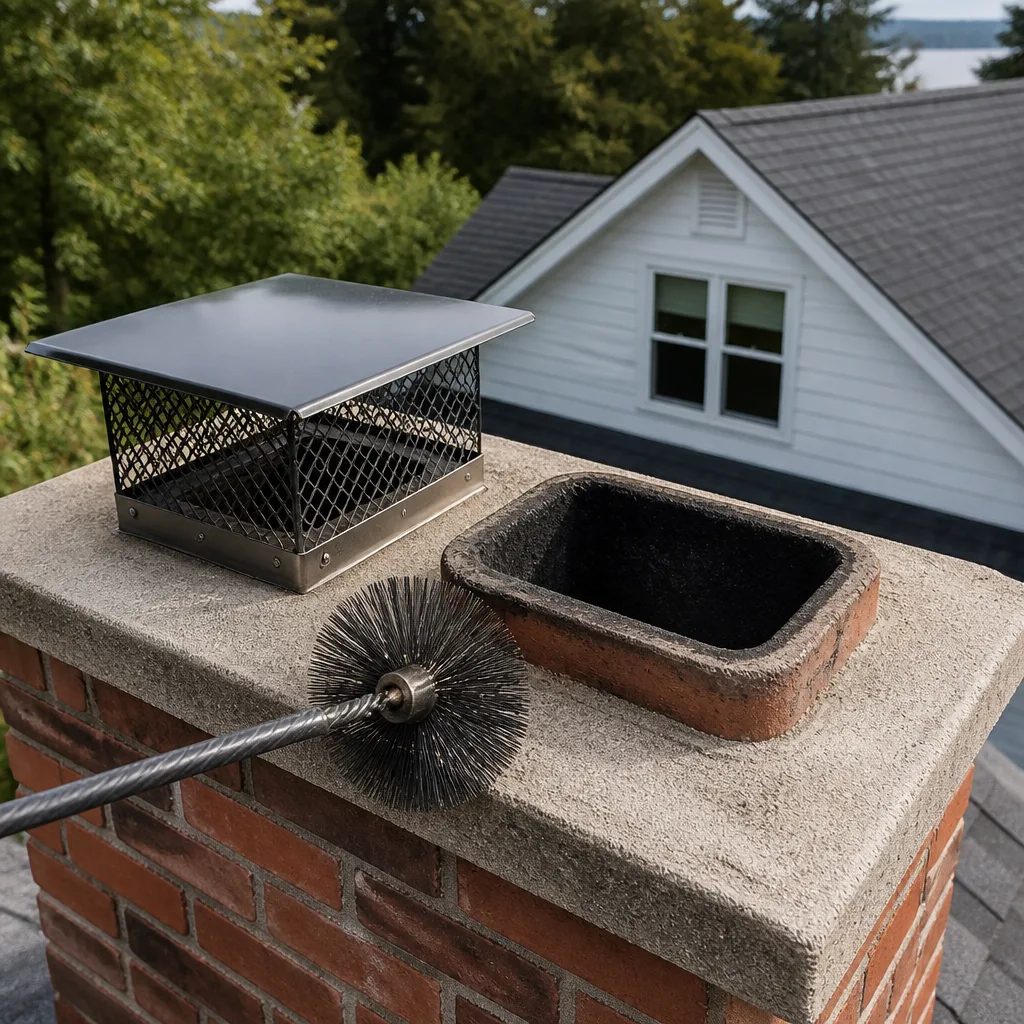
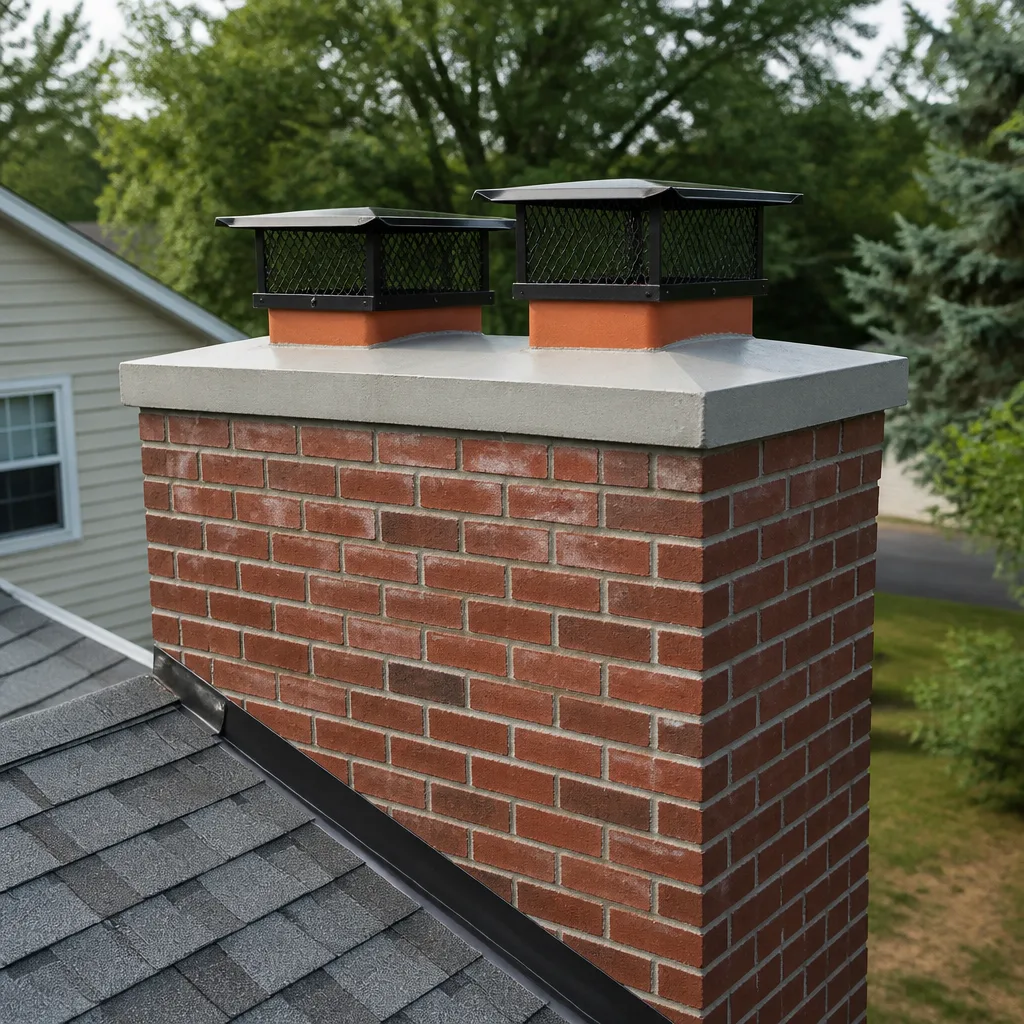
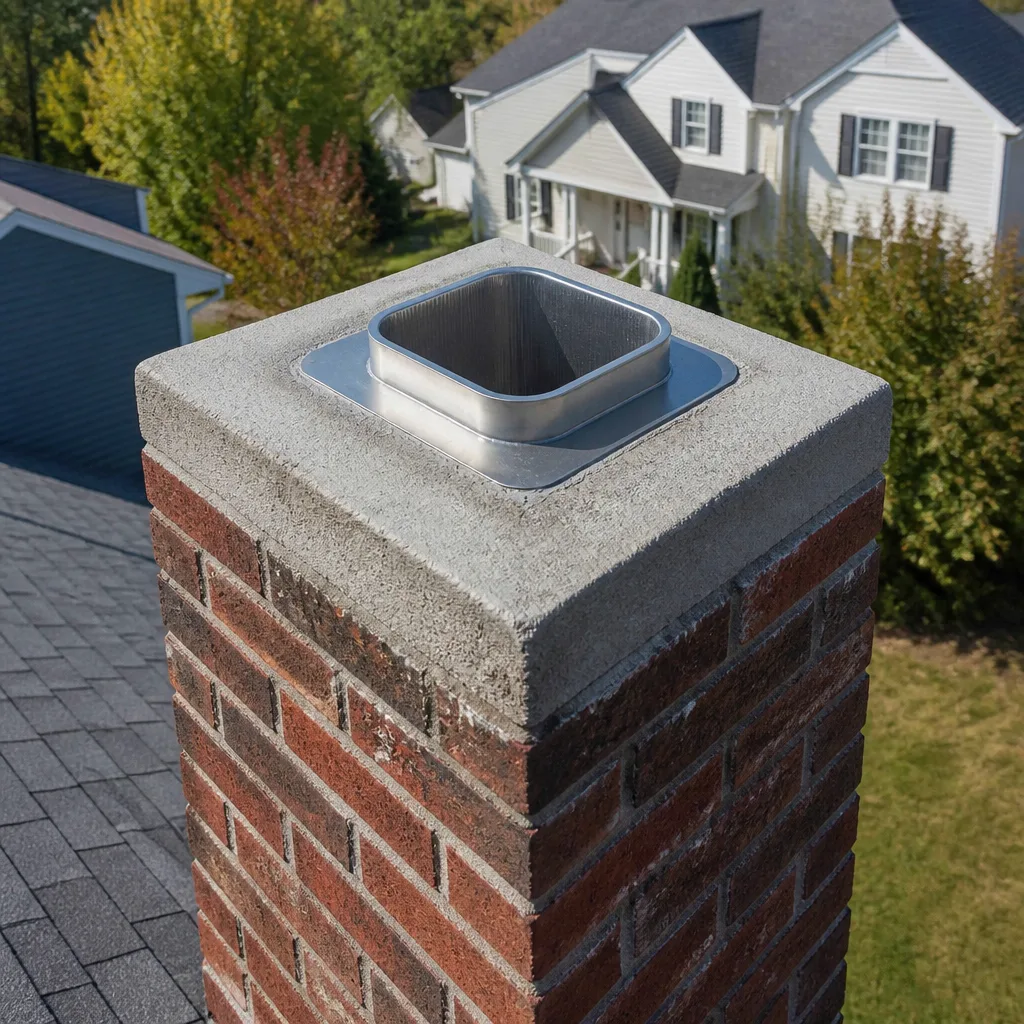
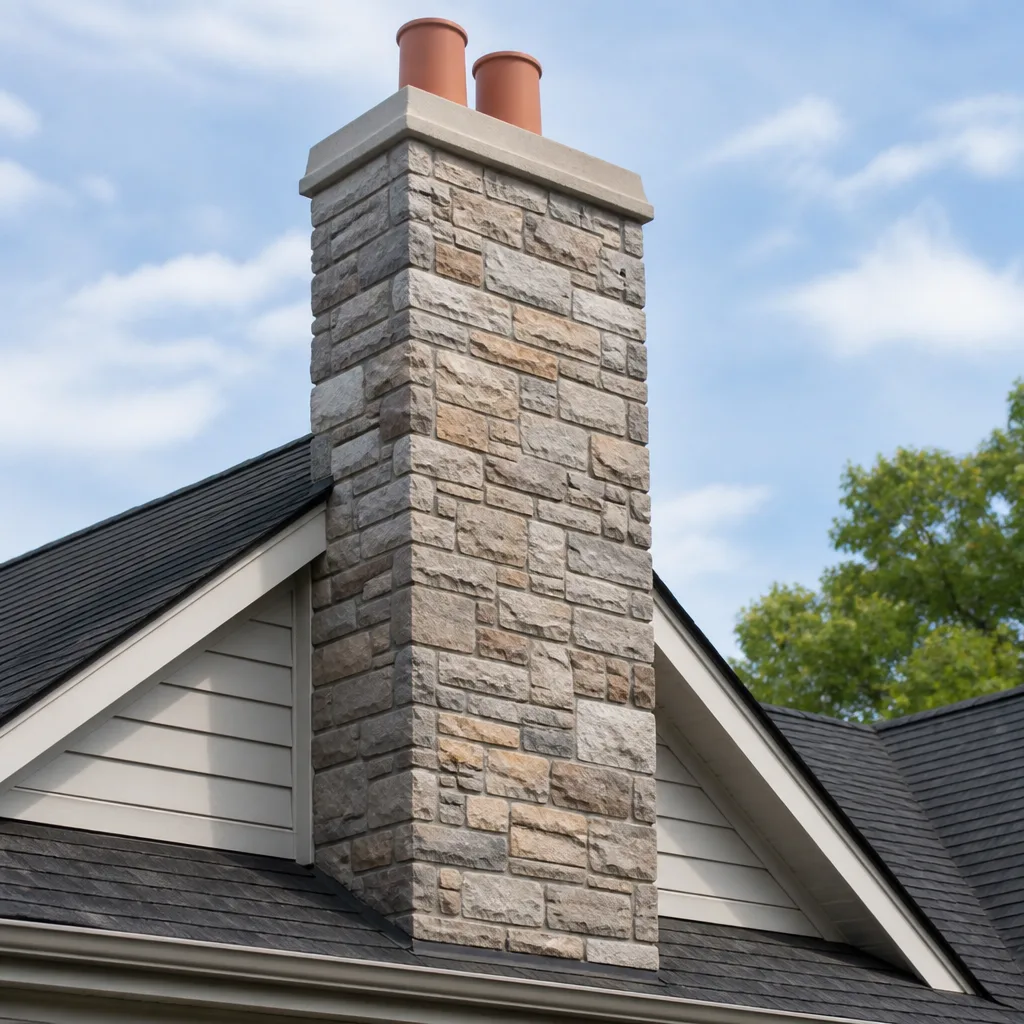
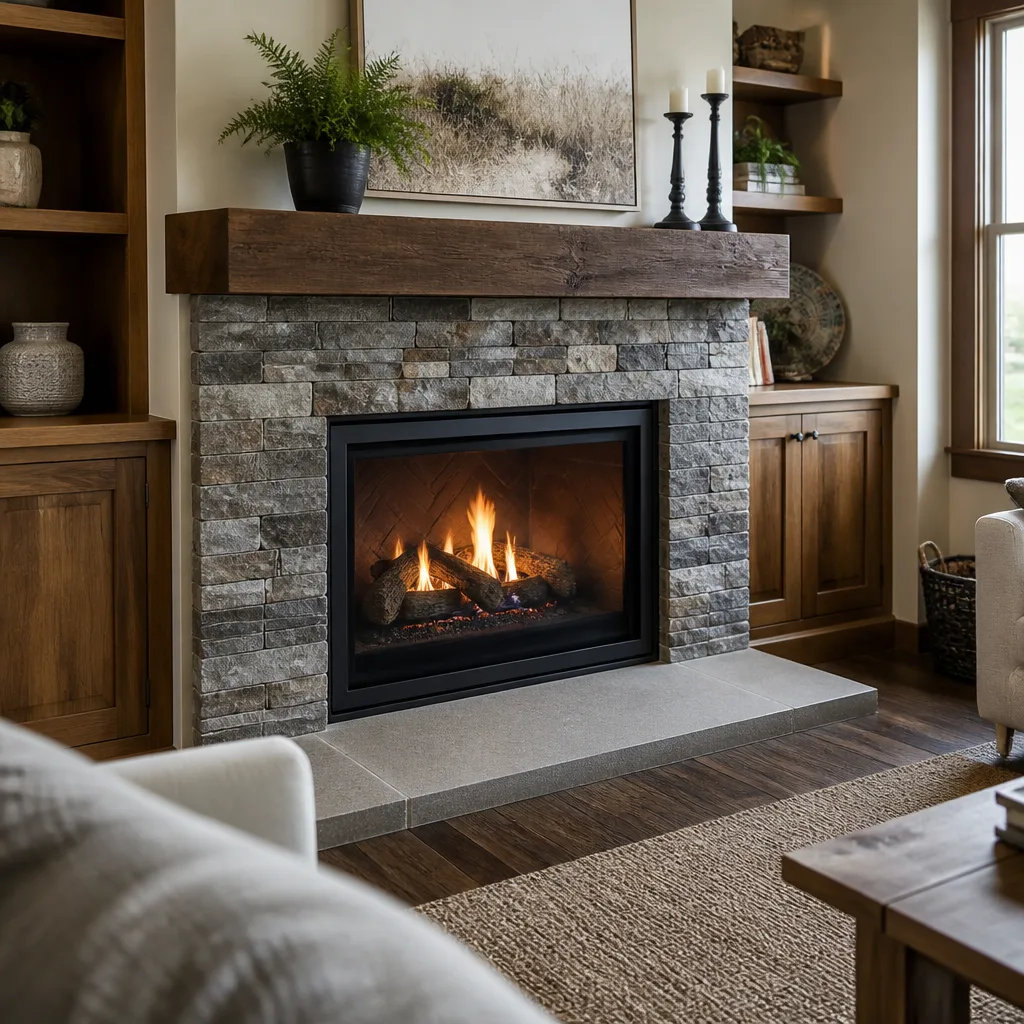
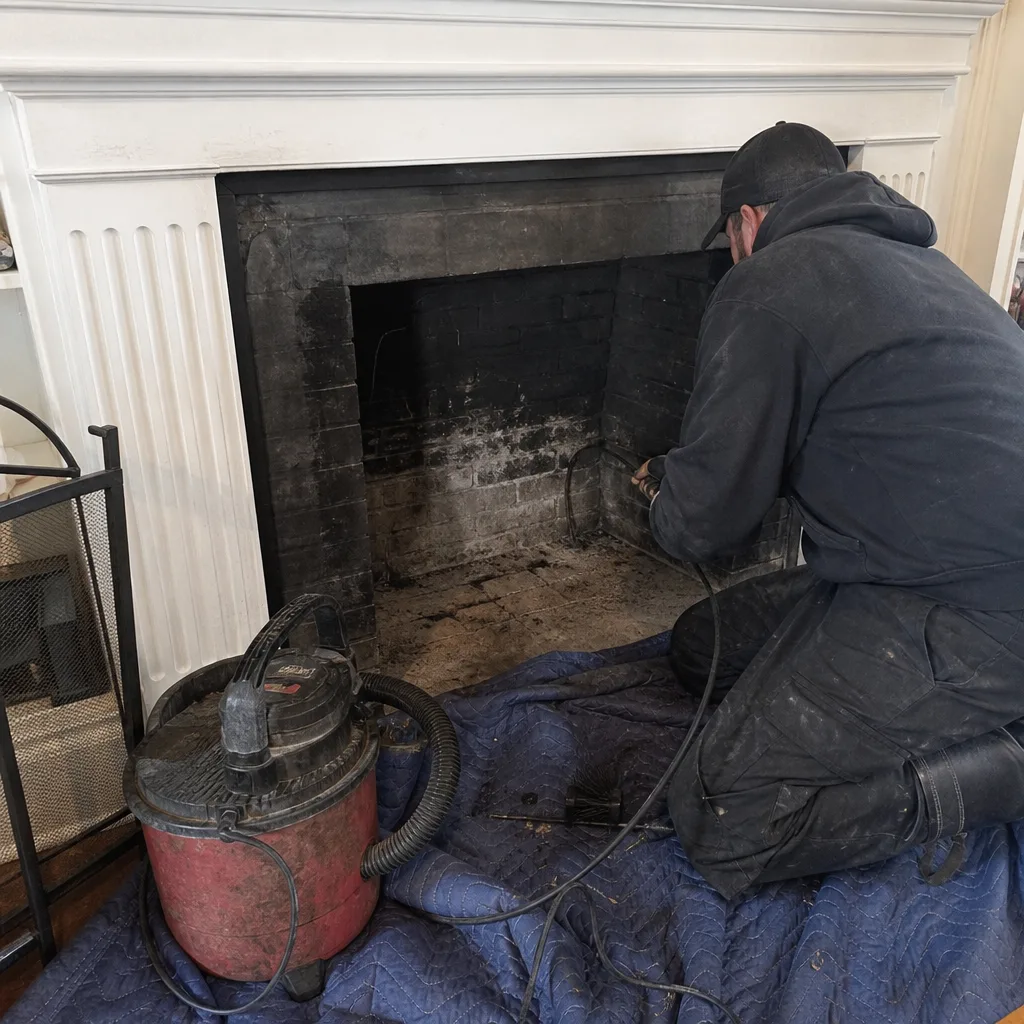 Before
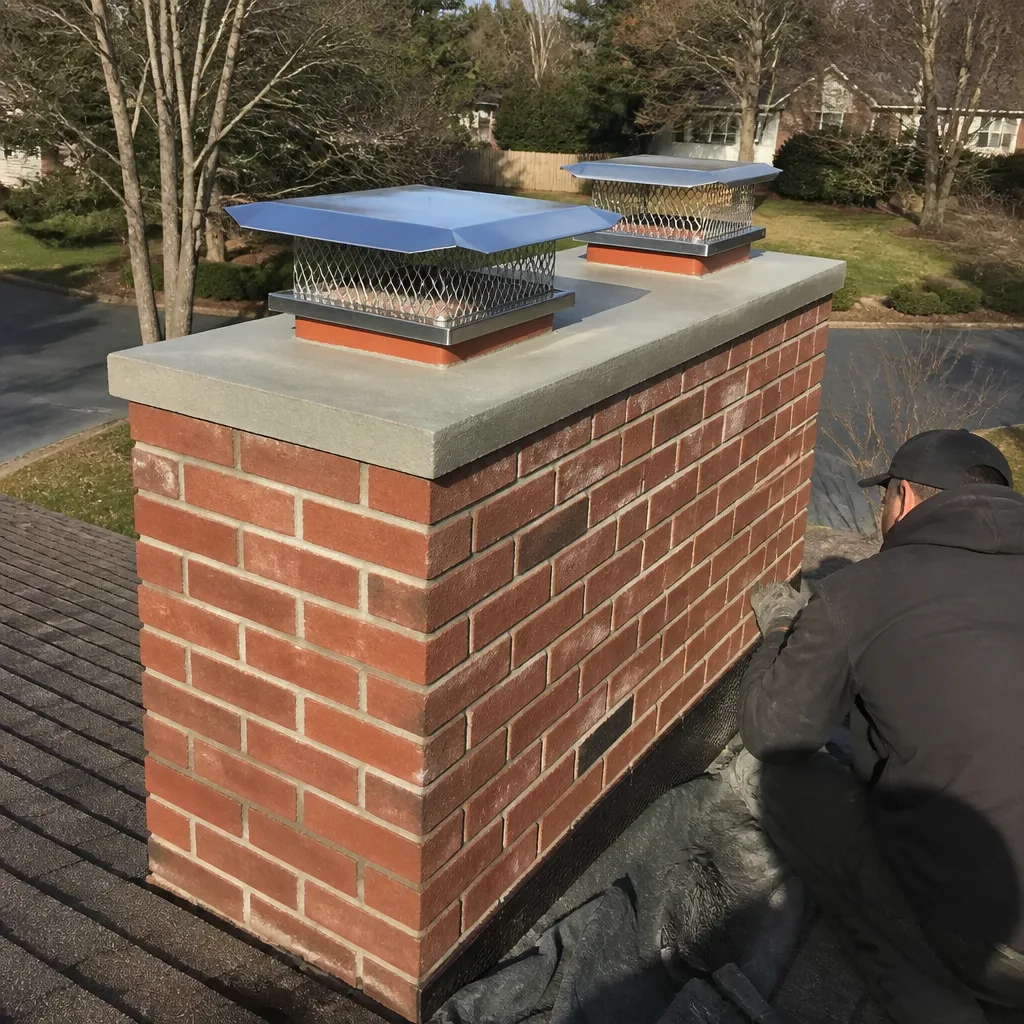 After
After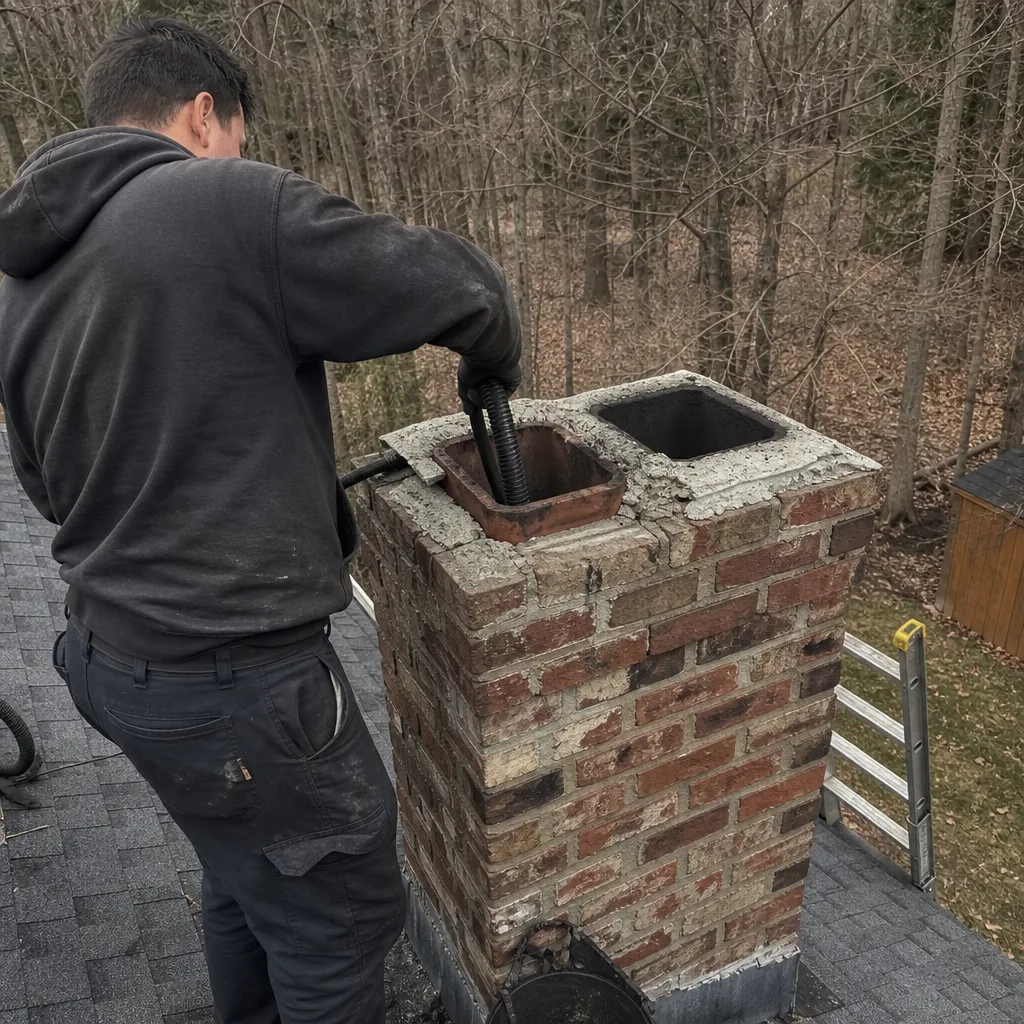 Before
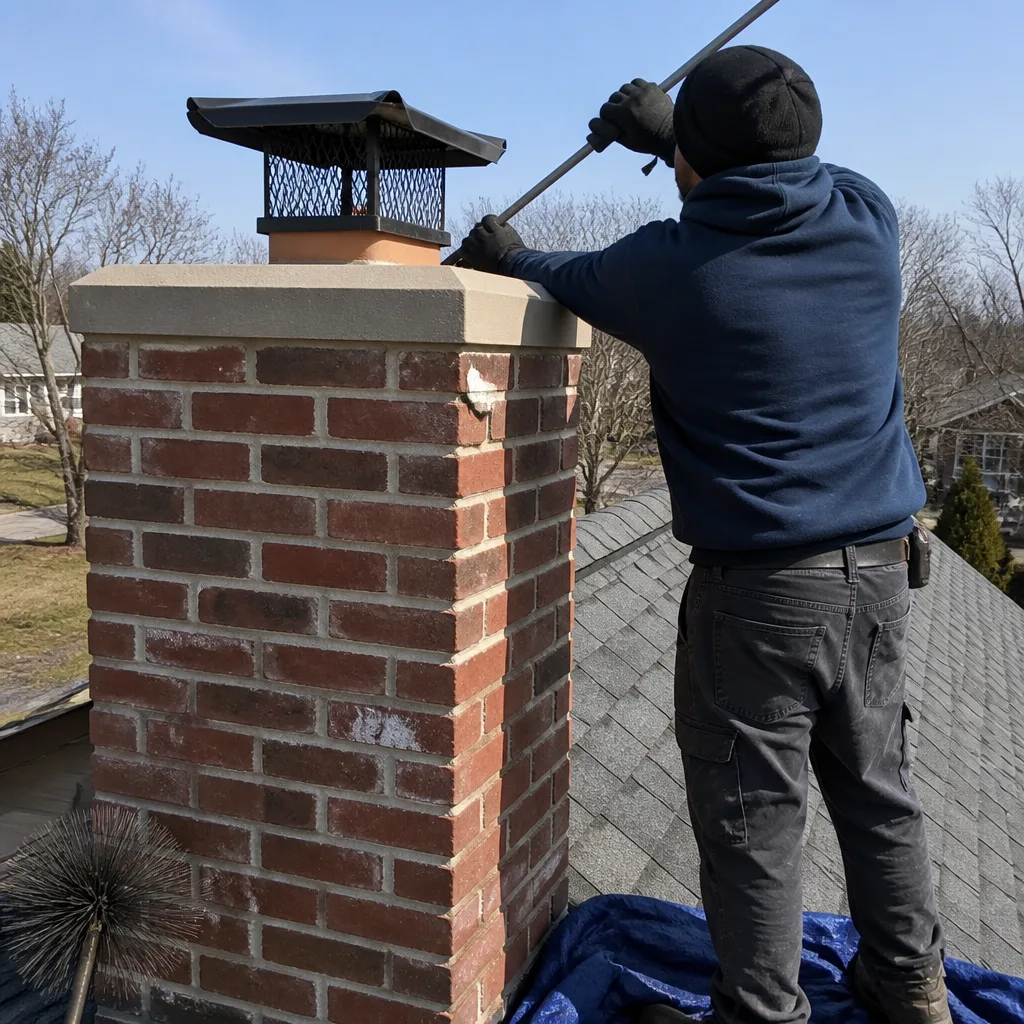 After
After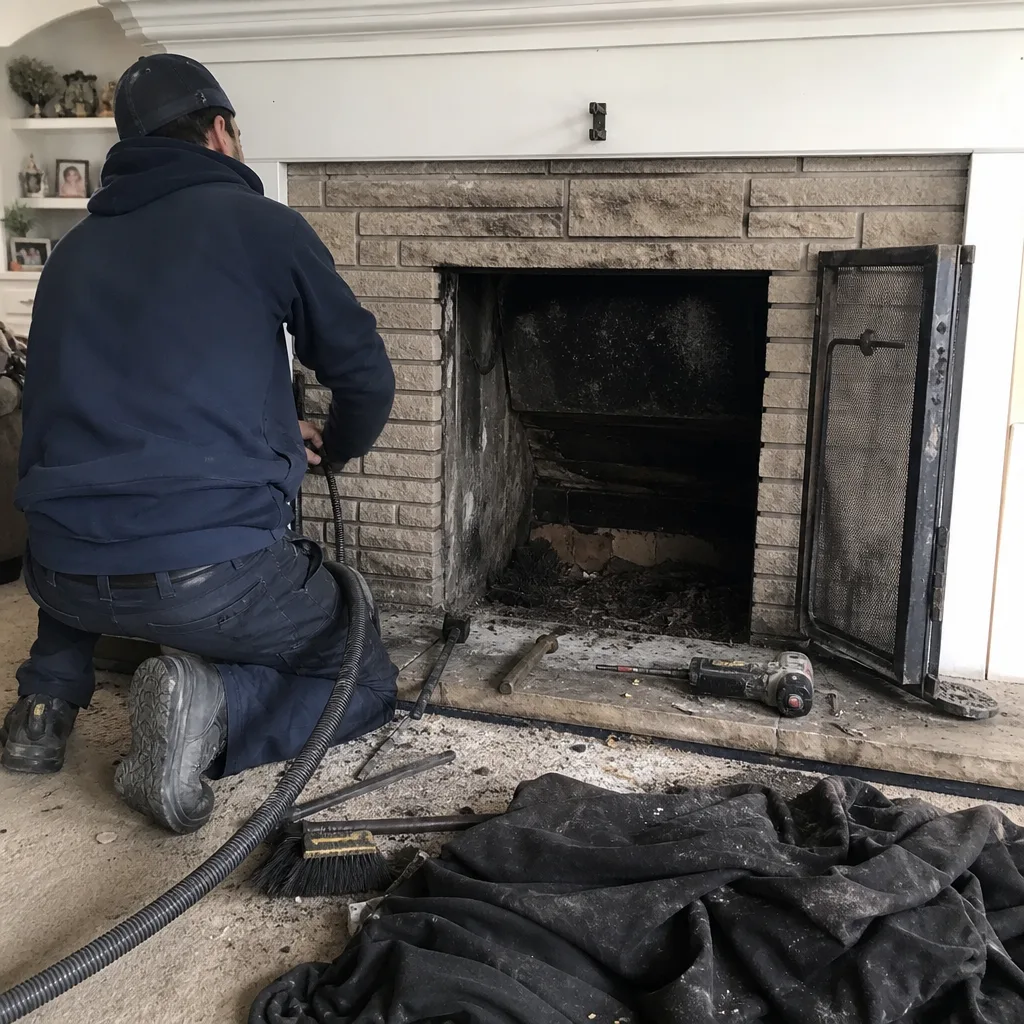 Before
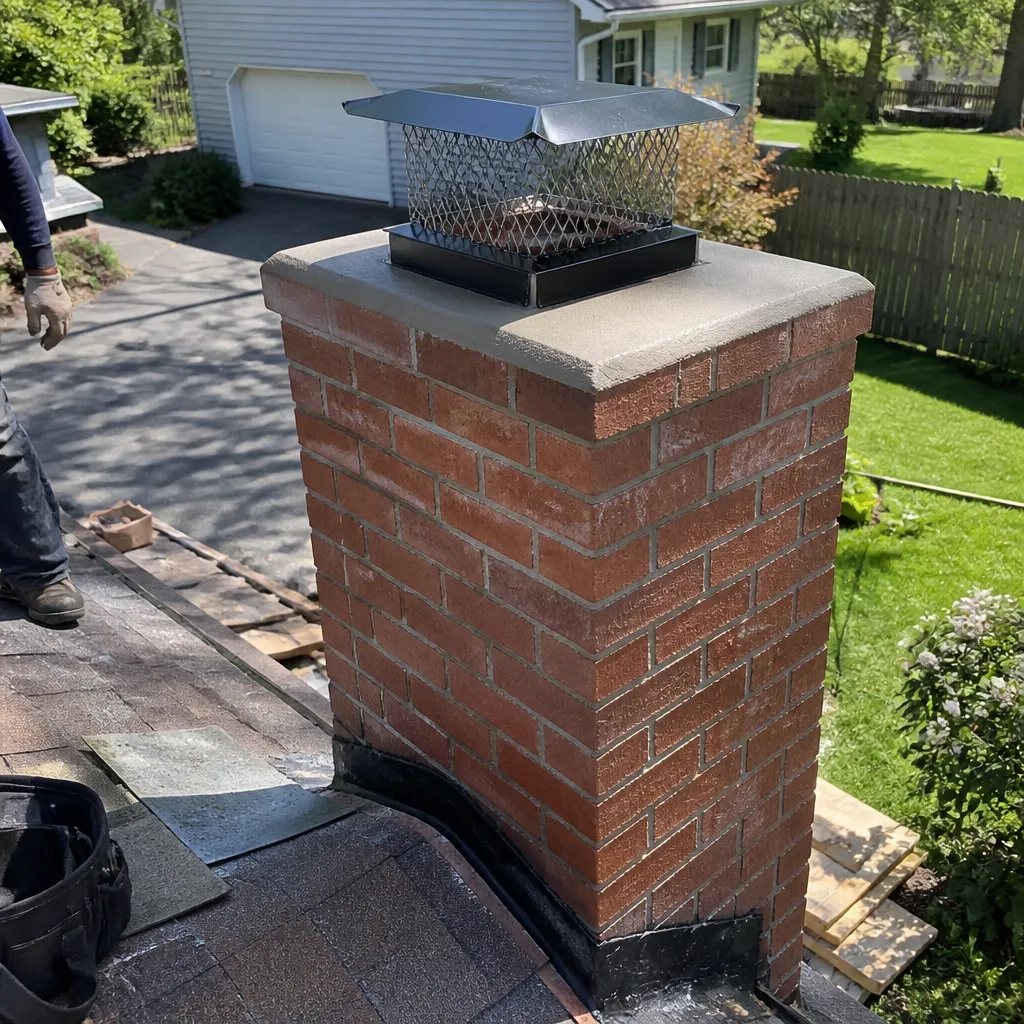 After
AfterChimney Cleaning & Sweep Maintenance Checklist for Jamesburg Homeowners
Most Jamesburg homeowners have never been told to look inside their own firebox. Not up the flue - just inside the box where the fire sits. There are four things you can see from right there, with a flashlight and no ladder, that will tell you about 80% of what you need to know before a sweep ever knocks on your door. This guide hands you that list, along with everything else worth checking through the year, so you show up to the conversation informed. In Jamesburg, where we’ve been working chimneys since 1999, we’d rather tell you the job is small than sell you one that isn’t needed.
Quick Answer
A chimney cleaning and maintenance checklist for Jamesburg homeowners should include a pre-season firebox inspection with a flashlight, a damper check, a roof-level glance at the crown and cap, monthly creosote checks during burn season, and keeping written records of every cleaning and repair. One professional Chimney Cleaning & Sweep each year is the baseline, but the walkthrough you do yourself before calling is what keeps you from paying for work the chimney doesn’t need.
Table of Contents
- The Four-Point Firebox Walkthrough You Can Do in Ten Minutes
- What to Check Up Top: Crown, Cap, and Roofline
- What’s Genuinely DIY-Friendly vs. What Needs a Licensed Hand
- Why You Should Keep Every Sweep Report
- Tracking Your Firebox Usage: When to Sweep More Often
- How to Tell If You Need a Repair, Not Just a Cleaning
- A Seasonal Maintenance Schedule for Jamesburg Homes
The Four-Point Firebox Walkthrough You Can Do in Ten Minutes
Before you pick up the phone, get down on one knee and look inside your firebox. You’re not climbing anything. You’re not taking anything apart. You’re looking at four things, and each one tells you something specific. Do this in daylight, with the damper open and a flashlight in your hand. It takes ten minutes.
- Wall texture inside the firebox. Run your hand (or the flashlight beam) along the back wall and side walls. Is it smooth brick or panel? That’s normal. Is there shiny, tar-like, black buildup that looks like glazed barbecue sauce? That’s third-degree creosote, and it does not brush off. That’s a different kind of cleaning. In Jamesburg, where wet pine gets burned a lot because it’s cheap and available, we see this glaze all the time.
- The floor of the firebox. A little ash and the remains of last season’s last fire are fine. But look for loose bricks, cracks in the refractory panels, or a floor that has shifted. If a panel is cracked far enough to see metal behind it, the fire can reach places it shouldn’t. That’s a repair call, not a cleaning call.
- The damper plate. Open and close it. It should move with some resistance but not bind. Look at the metal edges - rust scaling, warping, or a plate that no longer seats fully closed means you’re losing heated room air up the flue all winter, even when there’s no fire. It also means cold air is coming down into the living room in January.
- What’s sitting on top of the damper when you shine the flashlight up past it. This is the one nobody checks. Shine the light past the damper plate and look at the walls of the smoke chamber, which is the angled area just above the firebox. If you see fluffy black or brown accumulation - first-degree creosote - then a chimney sweep in Jamesburg is the right call, and it should be a straightforward job. If you see shiny black glaze, call and say so plainly. The sweep needs to know before arriving.
None of this requires any tool beyond a flashlight and your own eyes. But it changes the phone conversation significantly. Instead of “I think my chimney needs cleaned,” you can say: “I looked past the damper and there’s a glaze on the smoke chamber walls.” That single sentence saves you from paying for a basic sweep that won’t solve the problem.
What to Check Up Top: Crown, Cap, and Roofline
You cannot do all of this from inside the house. But you can do more from the ground than most people realize. Stand in the yard with a pair of binoculars, or walk across the street if that gives you a better angle. In Jamesburg, where houses run from sturdy 1950s ranches to newer construction, the crown and cap conditions vary wildly from one block to the next.
- The chimney crown. This is the concrete or mortar slab that caps the top of the chimney structure. Look for cracks, chunks missing, or a crown that looks like a dried lake bed. In Jamesburg, where winters alternate freeze and thaw every few days from December through March, water gets into those cracks, freezes, expands, and breaks the crown wider. What starts as a hairline crack in November is a fist-size chunk by March.
- The chimney cap. Is there one? If not, the flue is a direct path for rain, leaves, and squirrels. In Jamesburg, squirrels are the #1 animal we pull out of uncapped flues, and the smell from a squirrel that didn’t survive is something you don’t forget. A cap is under $150 for most standard flues. A squirrel removal plus cleaning plus deodorizing runs several times that.
- Flashing at the roofline. Look where the chimney meets the roof shingles. The flashing should lie flat. If it’s peeling up, separated, or you can see daylight between metal and brick, water is getting into the attic. That’s a roof leak, not a chimney fire risk, but it’s urgent regardless.
- Brick spalling. Spalling is when the face of the brick falls off, leaving the soft inner clay exposed. Look for brick faces on the ground around the chimney, or a chimney face that looks flaky and uneven. This means water has been soaking into the brick for a long time. The fix is structural, not cosmetic.
All four of these are things you can spot from the ground with binoculars or from an upstairs window. None require a ladder. But all of them are the difference between a $200 cleaning and a $2,000 rebuild. The earlier you spot them, the cheaper the fix.
What’s Genuinely DIY-Friendly vs. What Needs a Licensed Hand
There’s a real line here, and it’s not where most websites draw it. Some chimney maintenance is perfectly fine to do yourself. Some is not, and the people telling you otherwise are usually trying to sell you something. Here’s the honest breakdown from a sweep who has worked in Jamesburg homes since 1999.
You can do these yourself:
- Visual inspections. Everything described in the two sections above. Look, but don’t climb. No ladder, no roofline work, no walking on roofs. Just look from the ground or from an upstairs window.
- Firebox cleanup. When the firebox is cool (wait at least 24 hours after the last fire), remove ash with a metal shovel into a metal bucket. A thin layer of ash actually helps reflect heat, so don’t be obsessive. But you don’t want more than an inch or two.
- Glass door cleaning. If your fireplace has glass doors, clean them with a dedicated fireplace glass cleaner when cool. The white haze on the inside is creosote re-deposited, and it’s fine for you to clean.
- Cap replacement. In some cases, if you have a single-story roofline and a gentle pitch, replacing a standard chimney cap is within a competent homeowner’s ability. But we see more damage from homeowner roof work in Jamesburg than from anything else. If you don’t already own a fall harness and know how to use it, don’t get on the roof. We mean this. A chimney cap costs under $150. A fall costs far more.
Leave these to a sweep:
- Anything involving the flue walls or smoke chamber. You cannot brush a flue from the firebox with a store-bought wire brush and expect it to matter. The flue is 15-30 feet tall, and you cannot reach most of it. The brush you push from below knocks loose less than half the creosote, and the rest stays where it is. We use a rotary system that scours the whole flue liner.
- Liner inspection and replacement. A cracked clay tile liner is invisible from the firebox with a flashlight. We use a camera inspection that shows you exactly what’s happening in there. You cannot DIY this, and you should not let anyone sell you an opinion on the liner without showing you the camera footage.
- Smoke chamber work. The smoke chamber is the most neglected part of the whole system. It’s the funnel above the firebox where creosote builds thick. It requires parging with a high-temperature mortar (like what we apply when we use Olympia Chimney’s SmokeGuard products) or brush work with specialized equipment. You can’t reach this from the firebox.
- Glaze removal. Third-degree creosote does not brush. It’s a hard, shiny, tar-like layer that must be chemically treated or mechanically scored with specialized chains. The chemicals involved are not for homeowners, and neither is the respirator work that goes with them.
- Anything structural. Crown repair, flashing, spalling brick, shifted masonry - all of that involves materials, codes, and safety equipment that are not DIY territory.
The simple test: if you can do it with both feet on the floor of your living room, it’s probably fine. If it involves a ladder, a roof, a chemical, or an opinion about what’s happening inside the flue, call a sweep. In Jamesburg, the call costs nothing - we don’t charge a trip fee inside the county, and estimates are free.
Why You Should Keep Every Sweep Report
Here’s a habit that will save you real money: after every cleaning or inspection, keep the paper. Not on a shelf in the garage where it gets covered in sawdust. In a folder, in the house, with the other house records. Here’s what a proper sweep report should include, and why you want it.
After we finish any job in Jamesburg, we hand over a written report. That report lists, for every section of the system we looked at: what we saw, what we did, and what you should watch. Firebox condition. Damper function. Flue liner condition. Smoke chamber buildup. Crown and cap. Flashing. It’s all in there, with our notes in plain English.
Now here’s why you keep that paper. Three years from now, when the flue tiles show a crack, you’ll want to know: was that crack there in 2023? If you have three years of reports that all say “liner in good condition, no visible cracks,” and then a new report says there’s a crack, you know it developed recently. That’s useful. If you have no records, every opinion starts from zero, and you’re paying someone to re-establish what you could have known for free.
It also protects you from the scammers who always show up after a chimney fire or after a home sale. There’s a phrase we hear from Jamesburg homeowners who got burned: “The other guy took one look and said it was all shot.” With records, you can look back and see what was actually said, in writing, by the sweep who actually looked. Wendell puts his name and license number on every report. If the paper says the flue was fine in October, and another sweep in February says it needs a full reline, you should ask hard questions of the February guy.
You should also keep the receipt for any repairs. Some of this work carries a warranty - our 90-Day Done Right Promise is stamped on every job, and if it’s not right, one call brings Wendell back. But a warranty is a piece of paper. Keep it with the report. Put both in the folder. When you sell the house, that folder becomes part of the conversation. It tells the buyer: the chimney was maintained, and here’s the proof.
Tracking Your Firebox Usage: When to Sweep More Often
The standard advice is “sweep once a year.” That’s the baseline. But a house that burns a fire every weekend from October through March is a very different situation than one that lights a fire on Christmas Eve and once in February. Your cleaning frequency should match your actual usage, and the only way to know your actual usage is to track it.
Here’s a simple method that takes thirty seconds after each fire. Keep a small notebook near the firewood. After each fire is fully out, write down:
- The date.
- How long the fire burned. Under two hours, two to five, or over five.
- What you burned. Seasoned hardwood, unseasoned wood, pine, compressed logs, etc.
- Anything odd you noticed. Smoke backing into the room, a smell that lingered, glass that clouded unusually fast.
That last line is the key. Smoke rolling into the room when you open the doors, a strong smell in the house the day after a fire, glass that fogs with a sticky brown film after a single burn: these are usage data points. They tell you how the fire is performing. More importantly, they tell the sweep on the next visit what to look for.
Here’s how to read the log after a season. If you burned 20 fires or fewer, all with well-seasoned hardwood, and the firebox wall showed no glaze in your fall walkthrough, an annual sweep is probably adequate. If you burned over 40 fires, especially with pine or anything that wasn’t fully seasoned, you’re in a different category. In Jamesburg, where a lot of people burn pine and oak from local lots that hasn’t always been stacked through a full summer, we see the same pattern year after year: the 40-fire pine house has three times the creosote buildup of the 20-fire oak house.
Adjust accordingly. If your usage says you’re burning over 40 fires a season, schedule a mid-season inspection in January. Not necessarily a full sweep - just an inspection. Better to catch the buildup in January, when a brush is all that’s needed, than to discover it in October, when the glaze has set.
First-degree creosote is a brush job. Third-degree is a glaze - catch it early. That’s not a slogan. It’s the whole game.
How to Tell If You Need a Repair, Not Just a Cleaning
Most chimney work we do in Jamesburg is cleaning. But sometimes the symptoms that look like a cleaning problem are actually a repair problem, and it’s worth knowing the difference before you call anyone. Here’s what to match up.
Smoke backing into the room during fires. If it happens only on windy days, it’s likely a draft issue, which can be fixed with a different cap or a chimney height adjustment. If it happens every time, it’s more likely a damper that’s too small, a flue obstruction, or a smoke chamber that was never built right. A cleaning won’t fix those. You need a chimney repair in Jamesburg assessment.
White staining on the exterior brick - that’s efflorescence, and it means water is moving through the masonry. A cleaning won’t stop it. The water source has to be fixed: crown, flashing, or repointing.
An odor in the summer, especially on humid days. This is almost always creosote plus moisture. Sometimes a cleaning fixes it completely. But if the odor returns within a few weeks of a good cleaning, the moisture source is still present - usually a cracked crown or missing cap. Clean the flue, fix the crown. Both have to happen.
Crumbling mortar joints in the firebox. This is structural. The firebox sees the highest temperatures in the system, and the mortar has to be a specific refractory type. If it’s crumbling, standard mortar was probably used at some point, which isn’t rated for firebox temperatures. That’s a repair, not a cleaning.
Sounds in the flue when it’s windy. A rattling or banging noise means the cap is loose or something is inside the flue - usually an animal or a section of deteriorated liner. Again: not a cleaning issue, but it gets found during the same visit.
The pattern here is simple. A cleaning removes creosote and soot. It does not fix cracked tiles, missing caps, failed crowns, or bad flashing. If your symptoms persist after a proper sweep, the issue is structural, and it’s time for a repair conversation. Bring your sweep report with you when you call.
A Seasonal Maintenance Schedule for Jamesburg Homes
Here’s the schedule we recommend for Jamesburg homeowners, based on what we actually see in the field, season by season, and detailed further in The Complete Guide to Chimney Cleaning in Jamesburg. It’s simple enough to live with, and it catches problems before they become expensive.
- Late summer, before burning season (August to September). Do the four-point firebox walkthrough described above. Check the crown and cap from the ground. Make the annual sweep appointment - don’t wait until the first cold snap, because that’s when every sweep in Jamesburg is booked solid for weeks. If you need a cap or crown repair, getting it done before the weather turns is always cheaper and faster.
- Mid-burning season (January). If your usage log shows 40+ fires already this season, or if you burned pine or green wood, schedule an inspection. Also, if you smell an odor that wasn’t there in November, call. That smell is creosote absorbing moisture, and it means either buildup or a water leak.
- Spring (March to April). Do a final firebox check. Empty the firebox of all but a thin ash layer. Wipe down the glass doors. Close the damper. This is also the time to note any water stains on the ceiling near the chimney - the spring rains in Jamesburg will expose a flashing problem quickly.
- Any point in the year. If you see water in the firebox, an odor that gets worse, or hear animals in the flue, call right away. None of these things get better by waiting.
Once a year, burn or no burn. Chimneys break in the off-season too. It’s not a sales pitch - it’s just what decades of Jamesburg chimney work has taught us. The house with an annual sweep on the calendar has fewer fires, fewer five-figure repairs, and fewer surprises.
Common Mistakes to Avoid
- Waiting until November to call for a sweep. By late October, every reputable sweep in Jamesburg is booked three to five weeks out. Call in August or September. You’ll pay the same price, and you’ll have your pick of dates.
- Burning pine or green wood. Pine produces high-resin creosote, and green wood burns too cool to burn it off. In Jamesburg, where pine is abundant and cheap, it’s the single biggest cause of glaze we treat. Burn seasoned hardwood. If you must burn pine, expect to sweep more often.
- Paying for a sweep before anyone has looked at the chimney. An honest sweep quotes a price and then does the work. We quote a flat price before a single tool comes off the truck. The number you hear on the phone is the number on the invoice. If someone will only quote after starting, ask them to stop and call someone else.
- Ignoring a smudge of creosote because “it’s just a little.” A little first-degree creosote is a brush job. A year or two later, it’s glaze. The fix went from $200 to $800, and the flue liner is now at risk. Call when it’s small.
- Closing the damper immediately after a fire. Keep it open until the fire is completely out and only ash remains. Closing it early traps smoke and moisture in the chimney, which accelerates creosote condensation.
- Neglecting the cap. The cheapest chimney part to replace is the one that prevents the most expensive problems. A missing or corroded cap lets in water, animals, and debris. Inspect it from the ground every spring.
When to Call a Professional
Call a sweep when the firebox walkthrough shows glaze, when the damper won’t seat, when there’s water in the firebox, when you smell odor that doesn’t go away, or when you haven’t had an inspection in over a year. None of these are homeowners-only problems to solve, and all of them get worse while you wait.
Also call if you’ve just bought a home in Jamesburg and the seller hasn’t produced a recent sweep report. The chimney is one of the most expensive systems in the house to repair, and it’s also the one most often waved through at inspection. A $40 inspection finds a $4,000 problem before the paperwork is signed.
Top Hat Chimney offers free estimates in Jamesburg - call (609) 905-5820. A live person answers around the clock, and it may well be Wendell himself picking up.
Frequently Asked Questions
A Jamesburg chimney that burns well-seasoned hardwood for 20 to 30 fires per season should be swept once a year, ideally in late summer or early fall before burning season begins. If you burn more than 40 fires a season, or if you burn pine or wood that hasn’t fully seasoned, you should add a mid-season inspection in January to check for creosote buildup.
During a cleaning, we brush the flue liner from top to bottom with a rotary system, remove creosote from the smoke chamber, clean the firebox, inspect the damper, and check the crown, cap, and flashing. You get a written report of what we found and what we did, along with camera footage of the flue if there’s any repair question.
A standard flue cleaning in Jamesburg typically costs between $150 and $300 for a single flue, depending on condition and height. If there’s glaze buildup, animal removal, or a second flue, the price goes up. Top Hat Chimney gives you a flat price up front before any work begins - the number you hear on the phone is the number on the invoice. Call (609) 905-5820 for an exact quote, and ask about the senior and veteran discount.
You can keep the firebox clean, do visual inspections, and clean the glass doors. You can’t properly brush the flue liner from inside the firebox - the flue is 15 to 30 feet tall, and a DIY brush from below removes less than half the creosote. Glaze removal, liner inspection, and smoke chamber work all require professional equipment. If you want the job done right the first time, hire a chimney sweep in Jamesburg.
If the chimney hasn’t been cleaned or inspected in several years, you should have it inspected before lighting the first fire. Creosote builds with every fire, and several seasons of buildup can be a serious chimney fire risk. A visual inspection costs less than the fire you prevent. If you’re in Jamesburg, we offer a free second opinion on any written estimate you’ve received.
The most common cause of a summer chimney odor is creosote absorbing moisture from humid air. The odor is strongest on hot, humid days when the flue warms up. A good cleaning removes the creosote. But if the smell returns within a few weeks of a cleaning, the moisture source - usually a cracked crown or missing cap - still needs to be fixed. Both must happen for the smell to go away. For more on this and related services, see our fireplace services in Jamesburg page.
The Bottom Line
Learn the four-point firebox walkthrough. Check the crown, cap, and flashing from the ground. Keep a usage log through the burn season, and keep every sweep report in a folder in the house. Once a year, burn or no burn. If you see glaze, smell odor that won’t go away, or find water where it shouldn’t be, call before the problem gets bigger. The entire point of this checklist is to make you an informed homeowner, not a scared one. Know what’s normal, know what’s not, and know when to pick up the phone. Top Hat Chimney has been serving Jamesburg homeowners since 1999, and we answer the phone when you call.
Written by Wendell Pike, Owner at Top Hat Chimney, serving Jamesburg since 1999. For more guides & resources, visit our blog.