
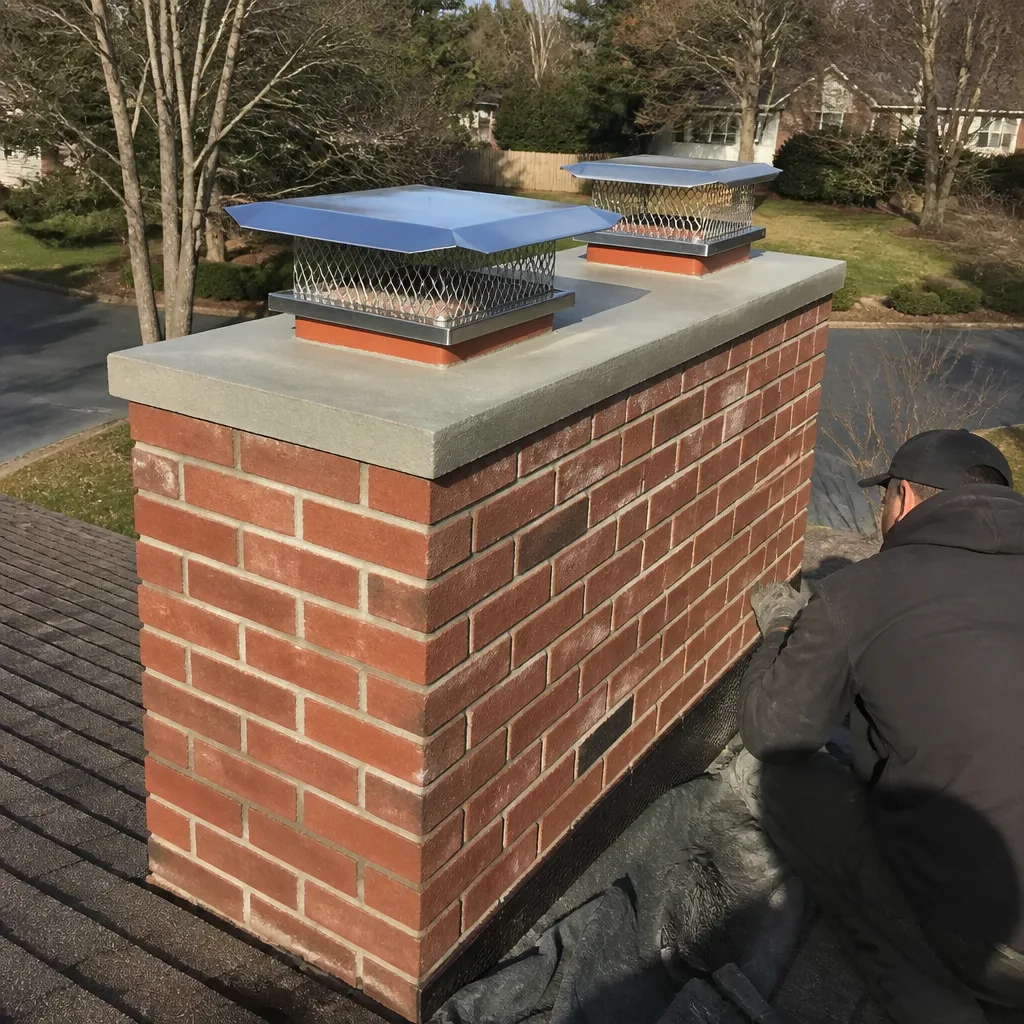
Level 1 sweep and inspection to the NFPA 211 annual standard - flue, crown, cap, and flashing checked and photographed
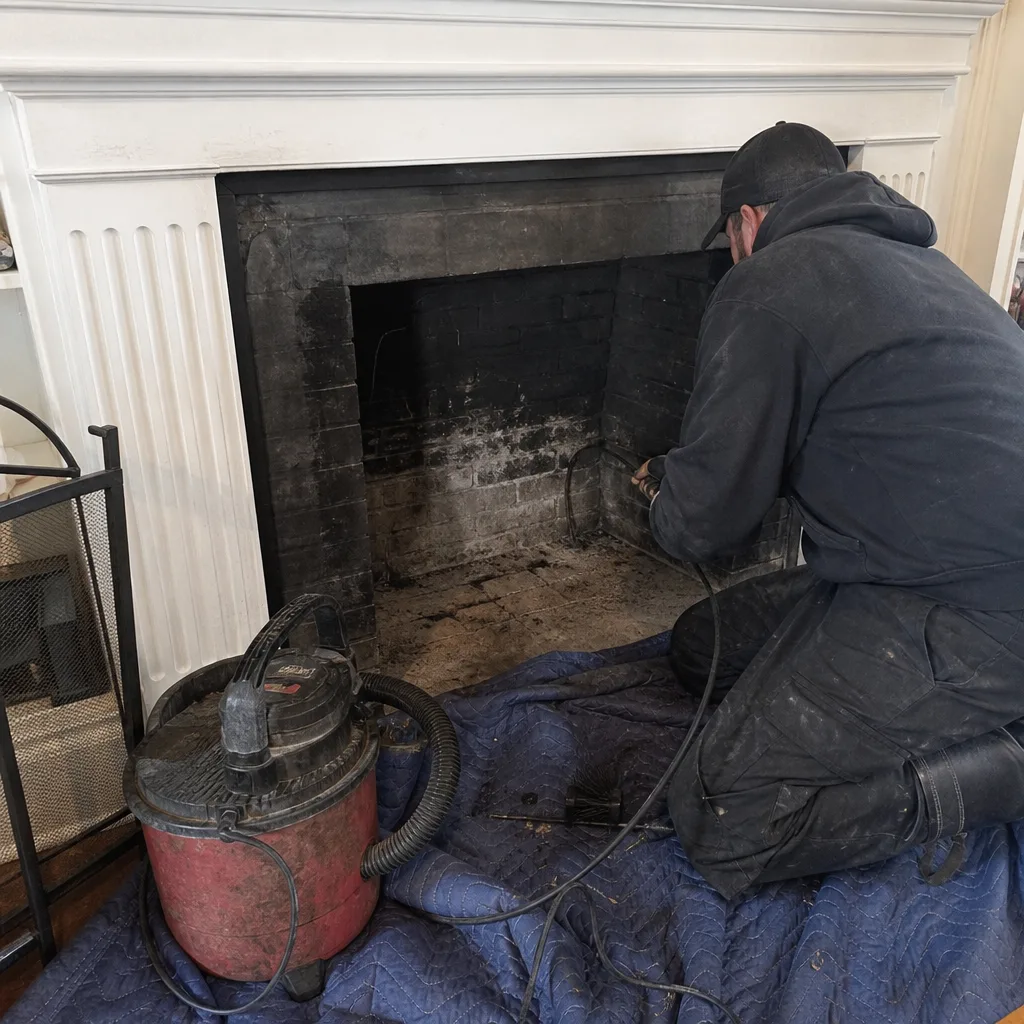
Chimney sweep logs do not sweep chimneys. They loosen some creosote - which then falls where a brush and vacuum still have to collect it.
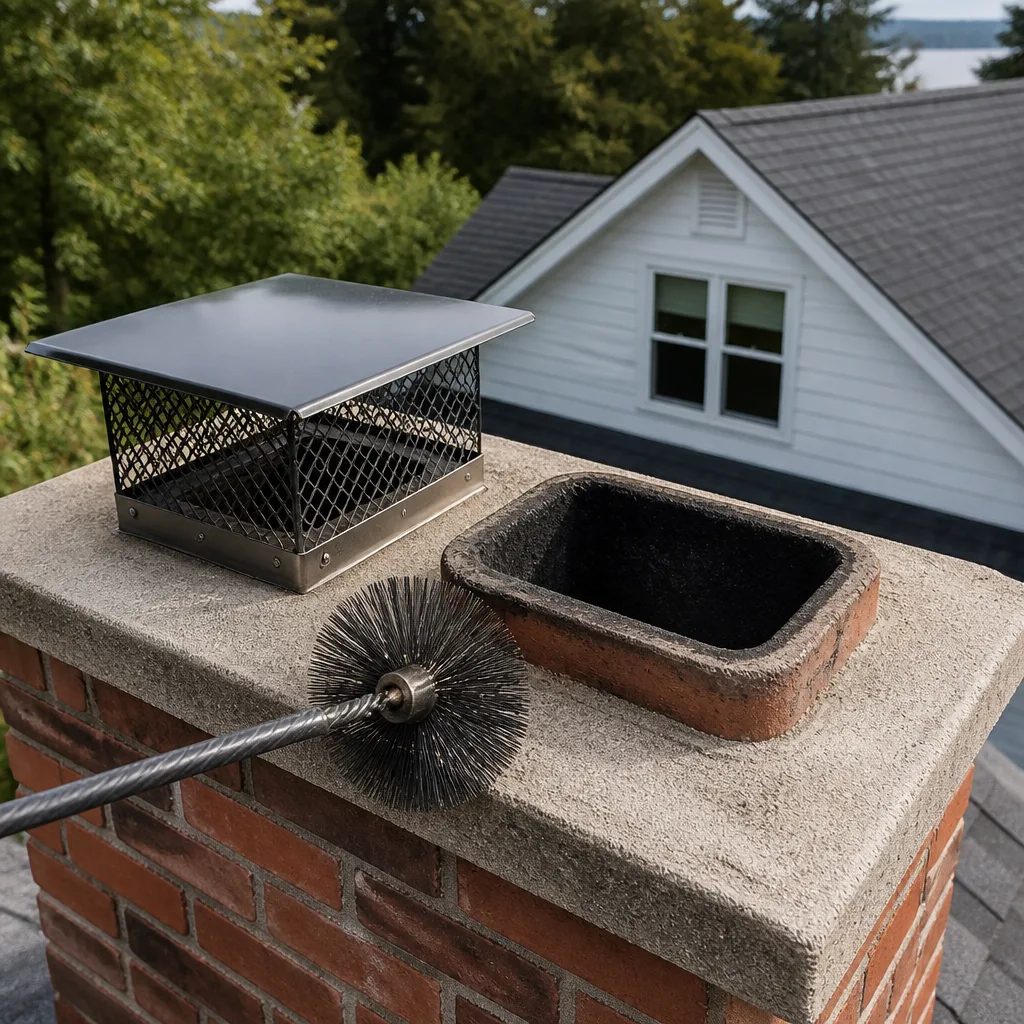
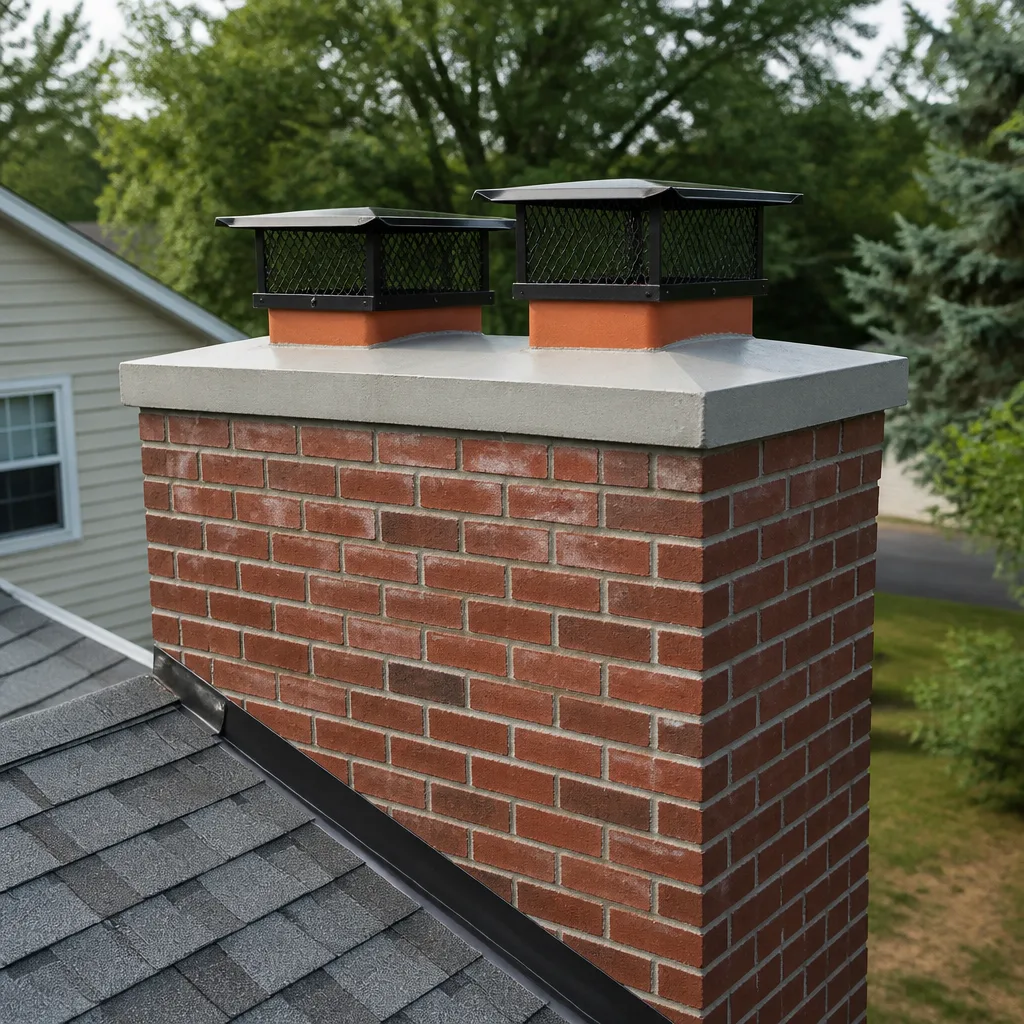
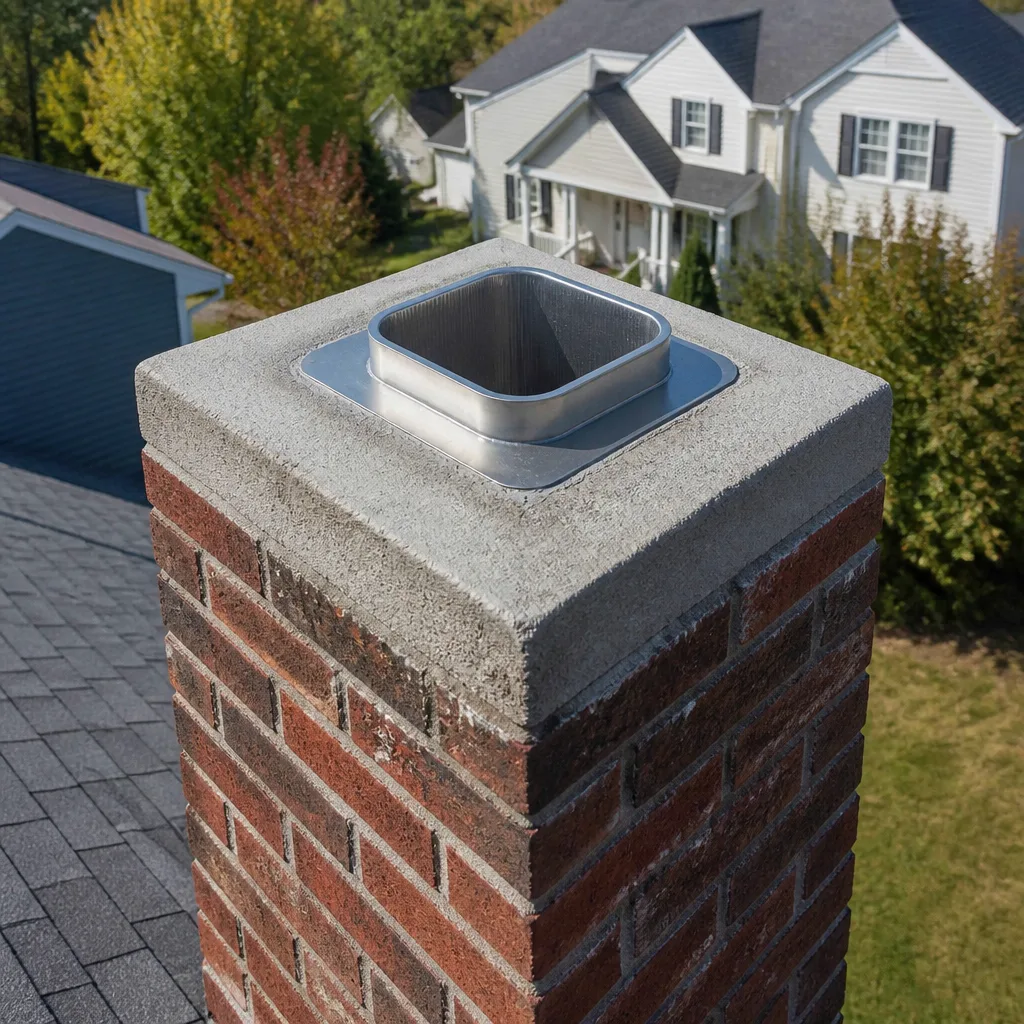
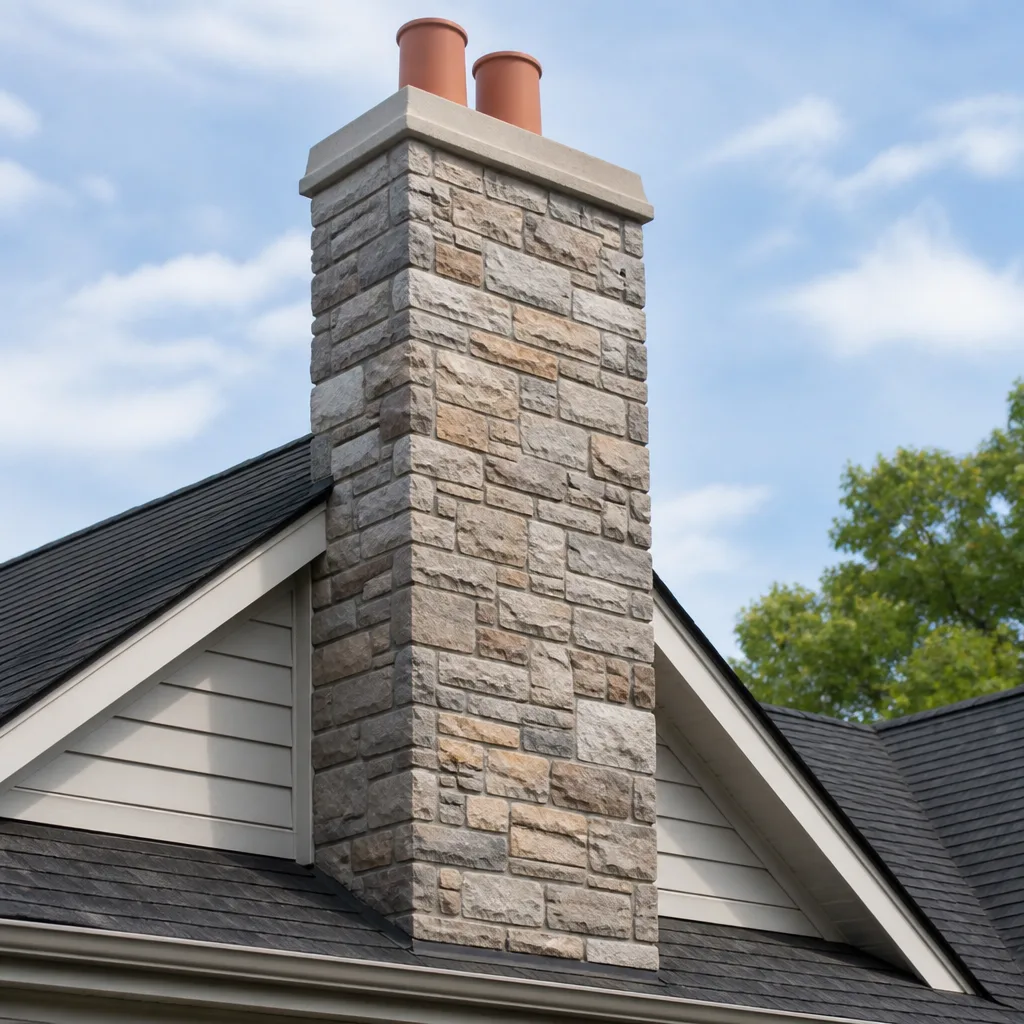
 Before
 After
After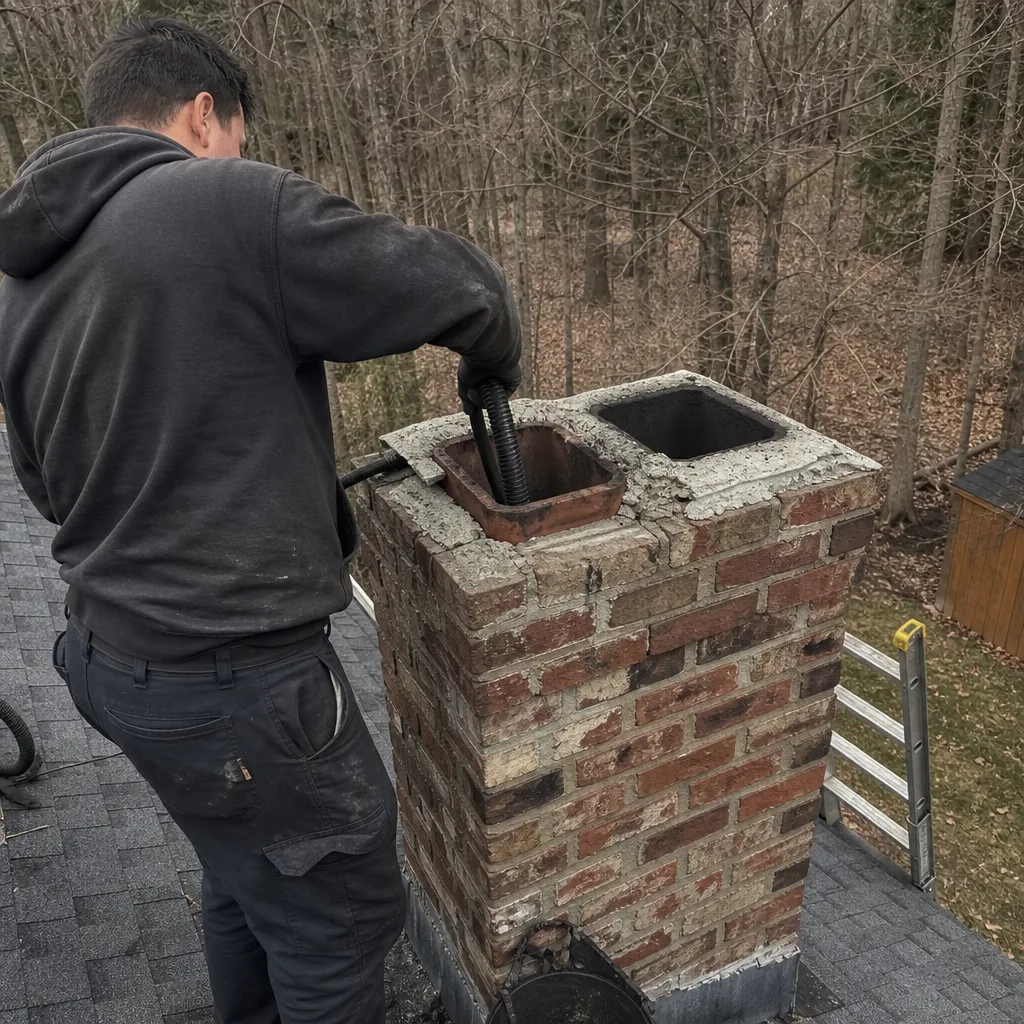 Before
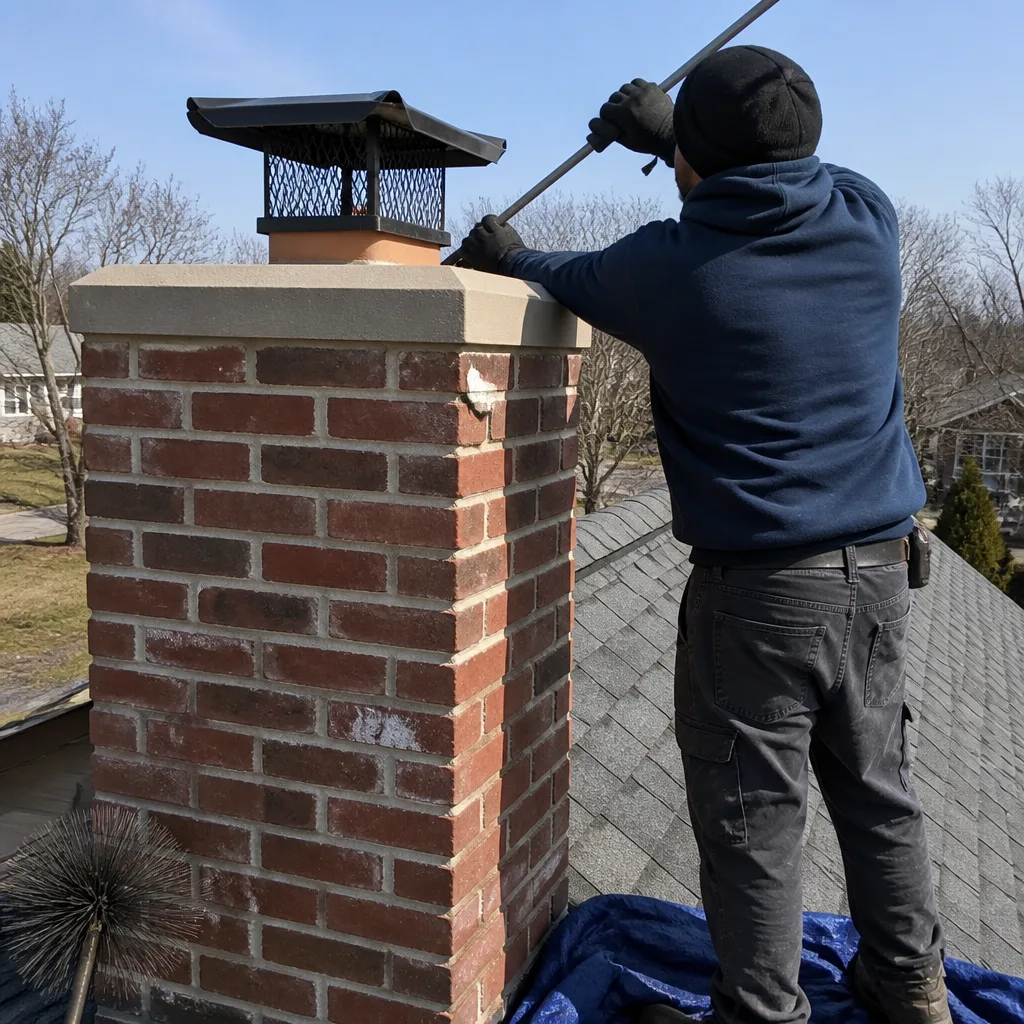 After
After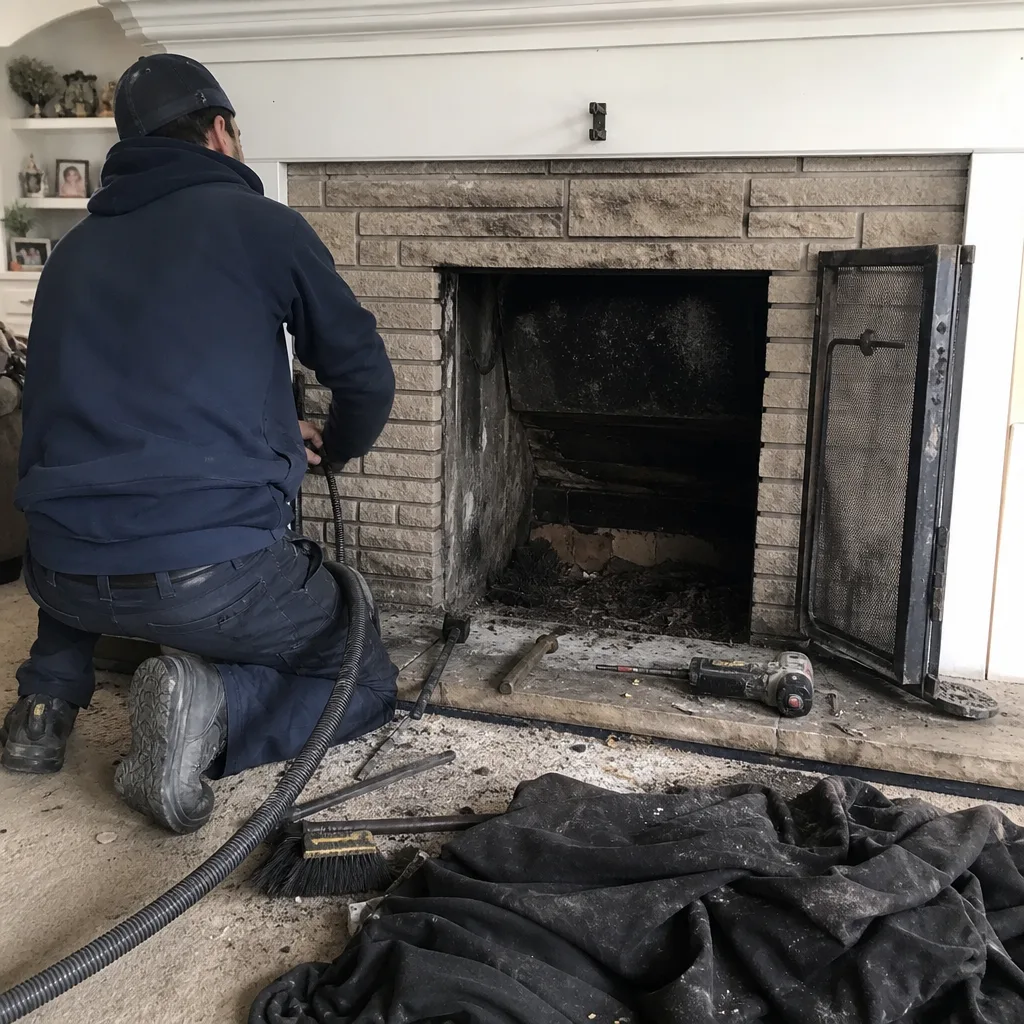 Before
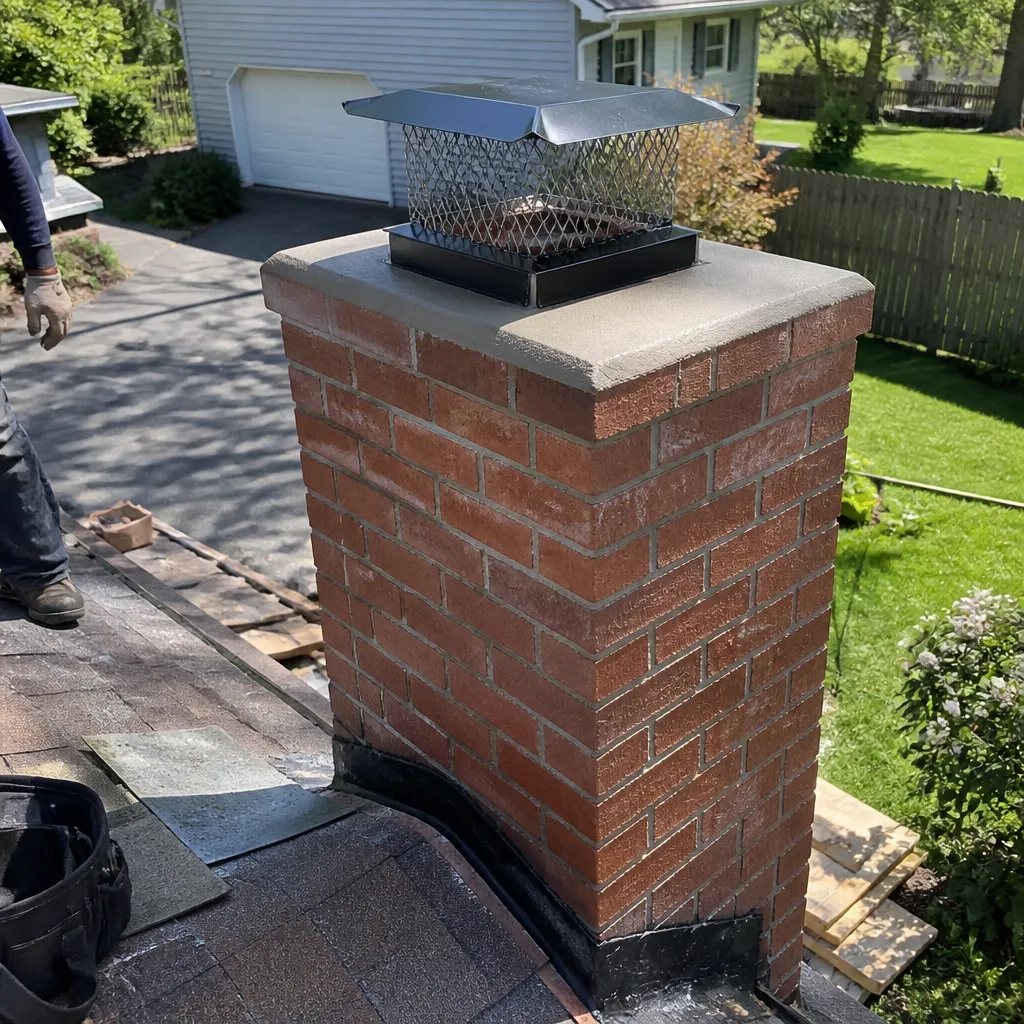 After
AfterHeatShield Flue Liner Replacement: The Jamesburg Owner’s Guide
HeatShield flue liner replacement in Jamesburg typically runs $1,850 to $3,400 installed, depending on the liner diameter, flue height, and how much of the old HeatShield material has separated from the clay tile. We stock HeatShield-compatible components on the truck and can usually complete the job in one visit, often within a week of your call. Most Jamesburg homeowners discover the problem the same way: a Level 2 camera inspection reveals cracked HeatShield panels, gaps between sections, or the telltale white staining where condensation has been eating at the liner from the inside. It’s not dramatic. It’s quiet. And it’s exactly the kind of thing that needs attention before burning season.
Which HeatShield Models This Applies To
HeatShield is not a liner you buy off a shelf. It’s a resurfacing system that gets applied inside an existing flue, which means the “part” you’re replacing comes down to which component failed. Most of what we see in Jamesburg falls into three buckets: the HeatShield Cerfractory sealant, the reinforcing fabric, or a failed joint where two HeatShield-coated sections meet.
If your original install used HeatShield’s SS-230 or SS-316 stainless steel mesh system, the model identification is usually stamped on the termination cap or documented in the original inspection report. For the standard Cerfractory foam-resurfaced flues, there’s no model plate to read. We identify what you have by measuring the flue dimensions and inspecting the surface condition with a camera. The compatibility gotcha most owners run into is this: HeatShield material applied over an unlined or damaged clay tile isn’t a repair, it’s a patch. You can’t re-apply HeatShield over itself indefinitely. Once the substrate has deteriorated, the correct fix is a full liner replacement, not another coat.
OEM HeatShield replacement materials aren’t sold to the public. We install HeatShield-compatible alternatives, most often a DuraFlex or Gelco stainless steel liner when a HeatShield-over-tile system has reached the end of its useful life. The aftermarket stainless liners we carry are actually the more durable long-term fix in most cases, especially in New Jersey where freeze-thaw cycles put constant stress on flue interiors.
Signs Your HeatShield Flue Liner Replacement Is Failing
- White chalky residue at the flue opening. That’s condensation pulling salts and minerals through the HeatShield surface. It means water is getting where it shouldn’t, and the liner is no longer sealing the way it did.
- Flakes of HeatShield material in the firebox. The Cerfractory surface breaks down over time, especially if the flue runs hot. If you see gray or tan chips at the base, the surface is spalling.
- A musty smell from the fireplace, even in dry weather. Moisture trapped between the HeatShield layer and the original clay tile will eventually find its way into the living space. The liner is breathing, and not the way it should.
- Visible cracks in the original clay tile behind the HeatShield. This shows up on camera inspection. The HeatShield can only do its job if the structure behind it is sound. Once the tile cracks shift, the HeatShield layer moves with them.
- Draft problems that got worse over one season. As the flue interior roughens, airflow drops. You notice it as smoke rolling back into the room on startup or a fire that’s harder to keep burning.
Replacement Cost & What’s Included
Here’s the honest breakdown for Jamesburg. A straightforward HeatShield-to-stainless conversion on a single-story flue runs $1,850 to $2,400. Two-story homes run $2,600 to $3,400. What drives the difference is access, flue height, and whether the old HeatShield layer has to be mechanically removed before the new liner can go in. Sometimes it peels off clean. Sometimes it fights us the whole way.
- Liner material: DuraFlex or Gelco stainless, sized to your flue dimensions.
- Removal of failed HeatShield material: labor is the big variable here.
- Camera inspection before and after: you see the footage, you get the verdict.
- Termination cap and connection hardware: included in the quote.
- 90-Day Done Right Promise: in writing, on every single job.
You get the number before a single tool comes off the truck. The number you hear on the phone is the number on the invoice. And remember: $40 off any repair over $200, and 10% off always for seniors and veterans.
DIY or Call Us?
You can safely inspect a few things yourself. Look for flakes in the firebox, white staining at the top of the flue, or a draft that has changed. Those are good observations to share when you call. What you should not do is try to remove or resurface HeatShield material yourself. The flue is a confined space with carbon monoxide risk. The removal process kicks up fine particulate you do not want in your lungs, and getting the new liner properly connected and sealed is not something you want to learn on the fly while standing on a roof. This is a job for a trained professional with the right equipment.
If you are in Jamesburg and you have a HeatShield flue that’s failing, call (609) 905-5820. Wendell Pike will take the call, have a look, and tell you plainly whether it needs doing now or can wait. If it does not need cleaning or replacing, he will tell you that too.
FAQs
In central Jersey, a HeatShield resurfacing job typically lasts 12 to 18 years before problems show up, though flues that run hot every winter and see moisture from freeze-thaw cycles can fail sooner. The main factor is the condition of the clay tile behind the HeatShield. If the original structure was already cracked and spalling, the HeatShield is working overtime from day one. Call (609) 905-5820 and we’ll run a camera down the flue and show you exactly where your liner stands.
Sometimes a small area can be spot-patched if the surrounding HeatShield surface and underlying tile are still sound. But when you see widespread flaking, joint separation, or material pulling away from the tile, re-coating is just delaying the inevitable. The repair-versus-replace decision comes down to what the camera shows. We’ll show you the footage and give you a plain-English verdict, every time, no exceptions. Call (609) 905-5820 for a free estimate.
Most HeatShield flue liner replacements in Jamesburg take four to six hours from setup to cleanup. The variable is removal of the old material. If it is bonded tight, we’re slower. If it is flaking off in sheets, we’re faster. You’ll have a real arrival window, and if that window slips, we’ll call you. Call (609) 905-5820 to get on the schedule.
We carry stainless steel replacement liners from DuraFlex and Gelco on the truck in the most common flue sizes, along with caps, connectors, and the removal tools needed for HeatShield material. Odd sizes may take a couple of days to source, but most Jamesburg jobs are done in one trip. Call (609) 905-5820 and we’ll tell you what we have before we even set foot on your roof.
Written by Wendell Pike, Owner, Top Hat Chimney at Top Hat Chimney, serving Jamesburg and nearby areas.