
Level 1 sweep and inspection to the NFPA 211 annual standard - flue, crown, cap, and flashing checked and photographed
Chimney sweep logs do not sweep chimneys. They loosen some creosote - which then falls where a brush and vacuum still have to collect it.
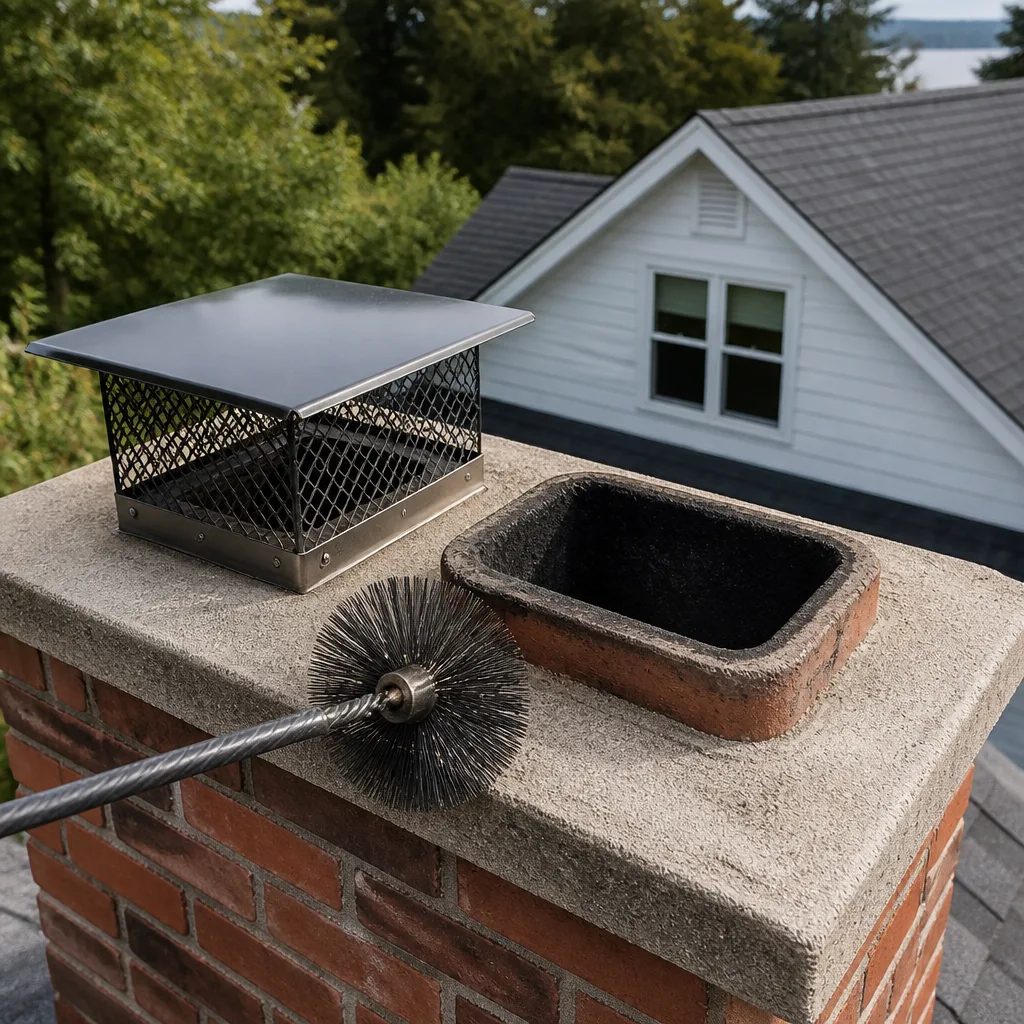
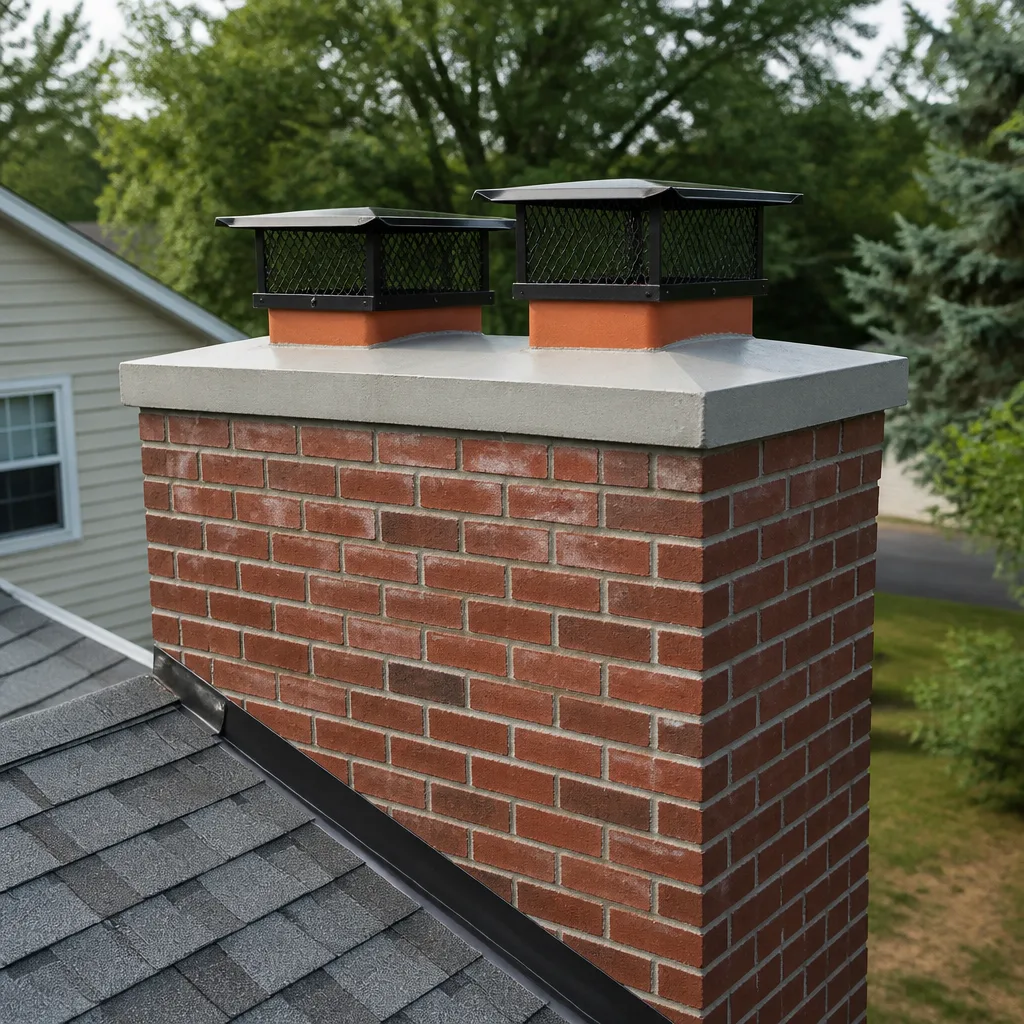
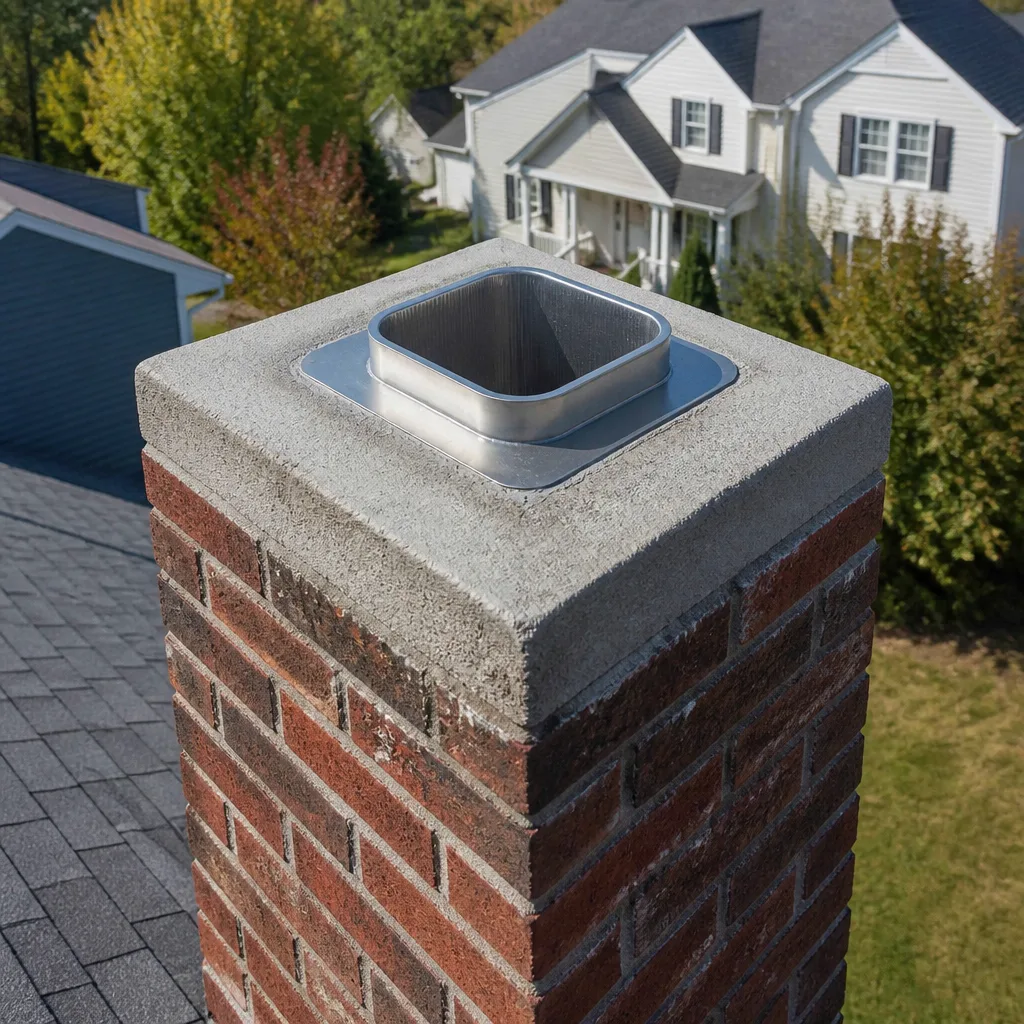
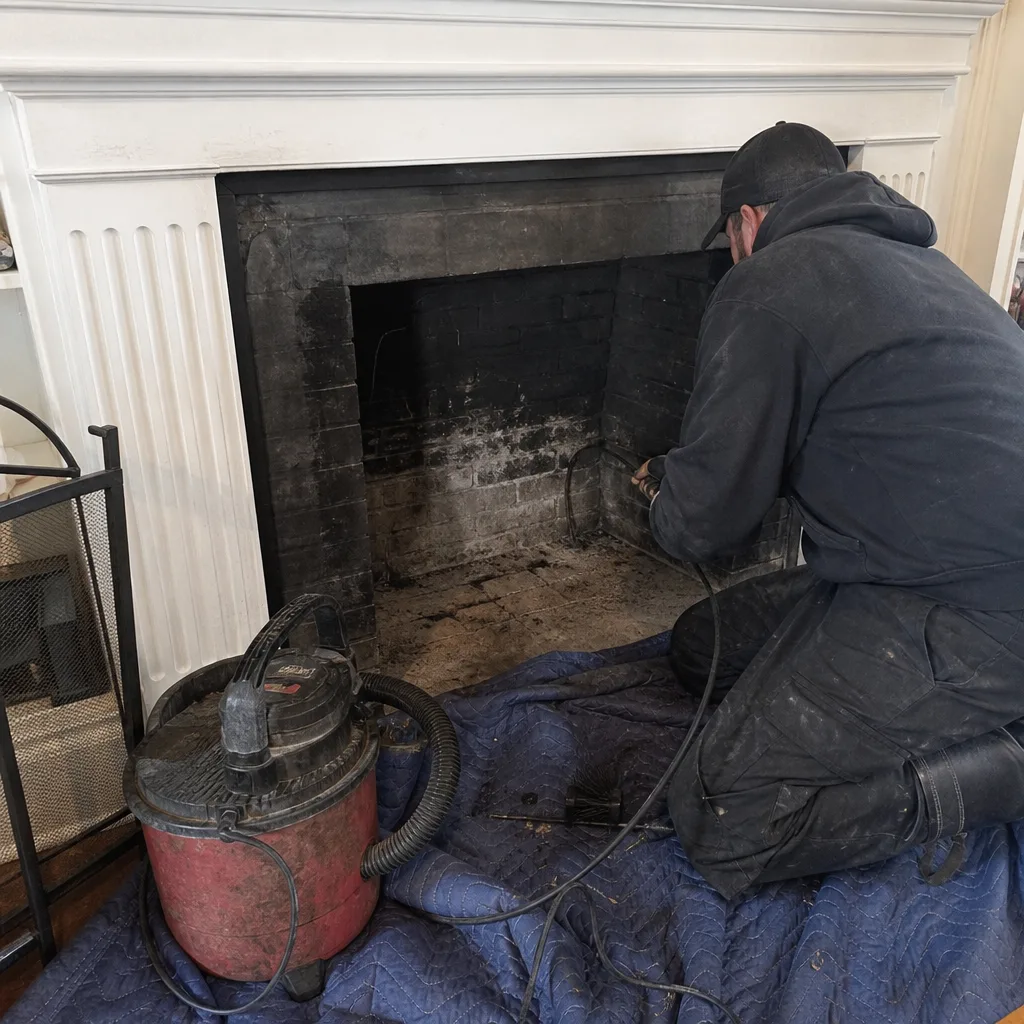 Before
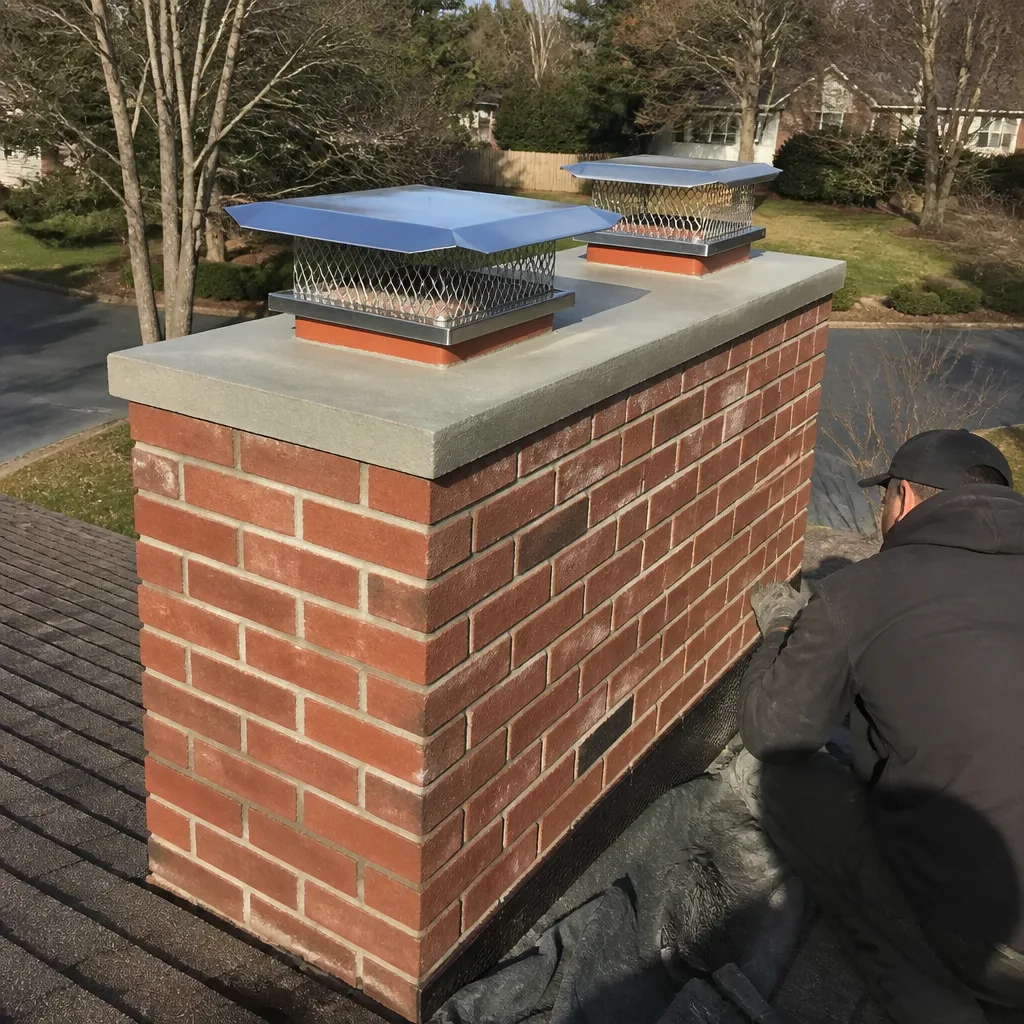 After
After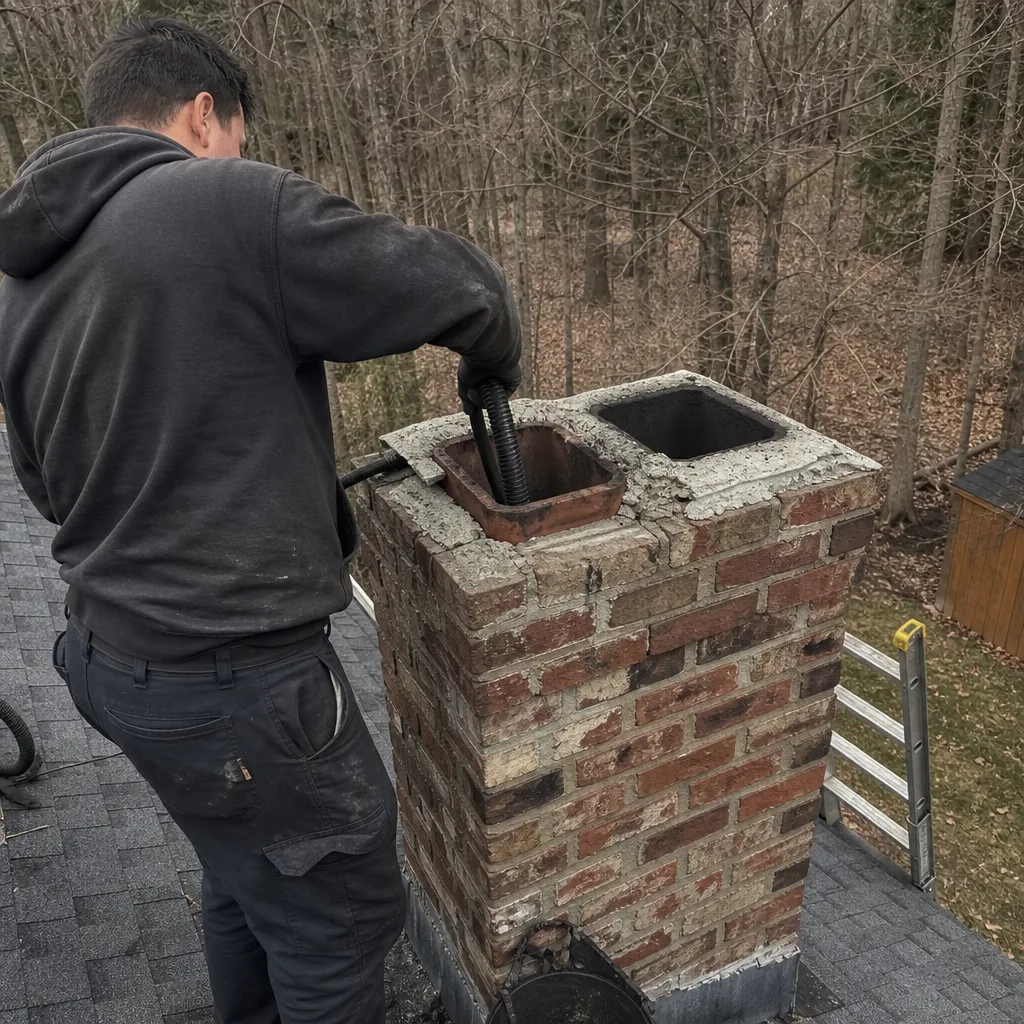 Before
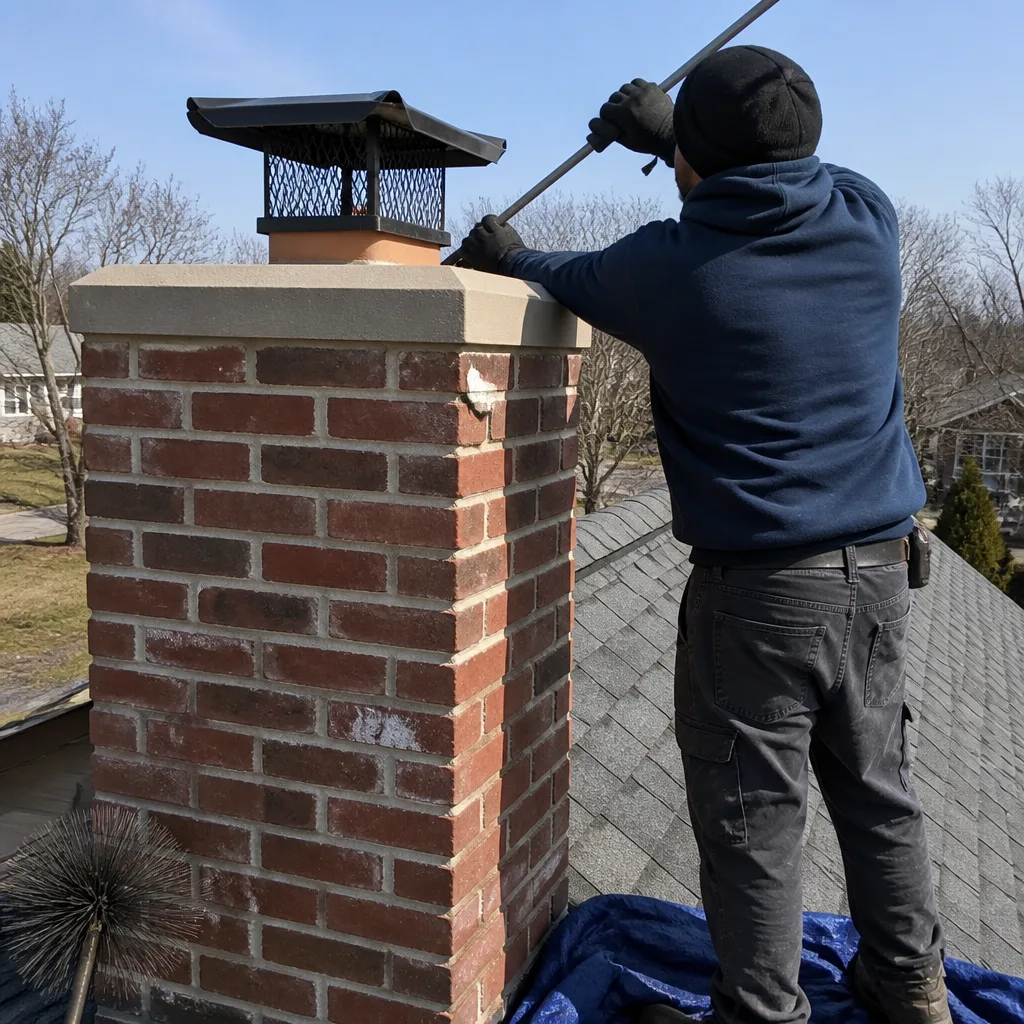 After
After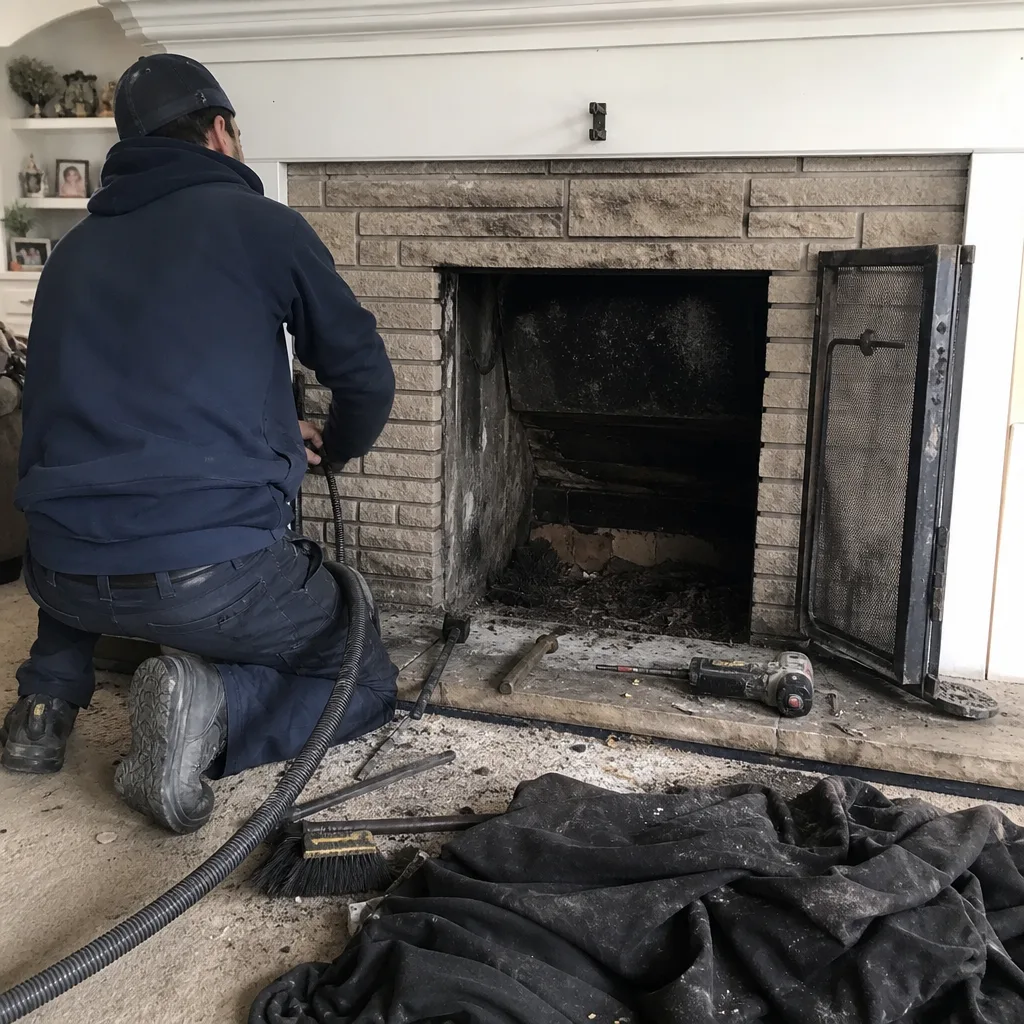 Before
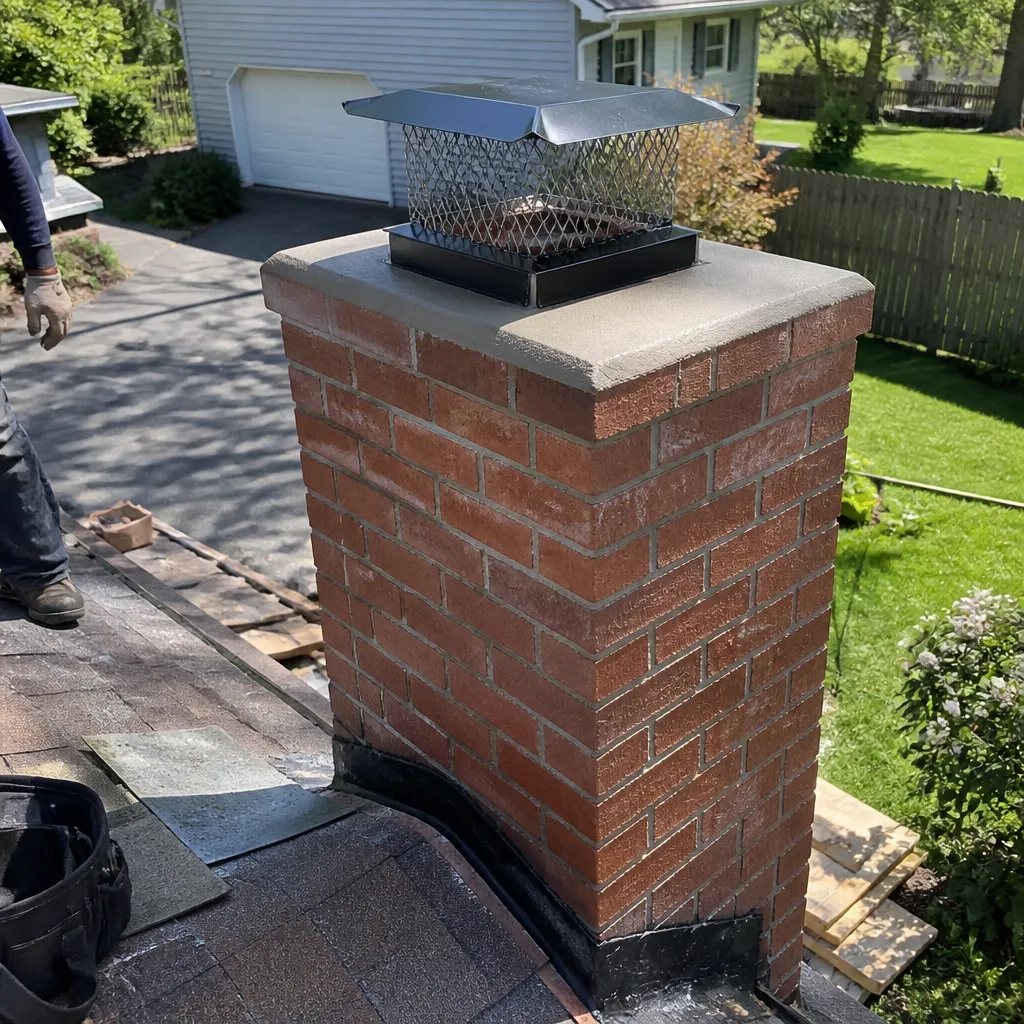 After
AfterCreosote Removal in Jamesburg, NJ
Creosote removal in Jamesburg typically runs $150 to $800 depending on how far the buildup has progressed – a light first-degree sweep sits at the low end, while a heavy third-degree glaze requires chemical treatment and hands-on scraping that takes considerably longer. Most homeowners who burn wood regularly through a Middlesex County winter need at least an annual Level 1 Inspection to catch it before it turns dangerous.
We’re Top Hat Chimney, and Wendell Pike has been pulling creosote out of chimneys in this part of New Jersey since 1999. If you’ve got a wood-burning fireplace or insert, a pellet stove vented through a masonry flue, or an older oil system with a clay-lined chimney, this page is for you. You can reach us directly at (609) 905-5820 – a live person picks up, around the clock. And if you want the full picture of what a professional sweep looks like before you book, our Chimney Cleaning & Sweep in Jamesburg page walks through every part of the service.
Top Hat Chimney is locally owned and owner-operated. Wendell puts his name on every job, shows up in uniform, gives you upfront pricing before a single tool comes off the truck, and backs everything with the 90-Day Done Right Promise – in writing, on every invoice. If something isn’t right after we leave, one call brings us back at no additional cost. No runaround, no voicemail box.
What Creosote Actually Is – and Why Jamesburg Homes See So Much of It
Creosote is the byproduct of incomplete combustion. When smoke from a wood fire rises through a flue and hits a cooler surface – especially in the shoulder seasons when Jamesburg nights drop fast but you’re not burning a roaring fire – it condenses on the flue walls and sticks. Do that enough times and you’ve got a fire hazard lining the inside of your chimney.
There are three degrees, and they behave very differently:
- First-degree creosote is a dry, flaky deposit. A stiff rotary brush takes care of it in the same visit as a standard sweep. Catch it here and the whole job stays simple.
- Second-degree creosote is darker, harder, and often shiny in patches. It flakes off in chunks rather than dust. We may need chemical treatments to loosen it before brushing, which adds time and cost.
- Third-degree creosote is a tar-like glaze baked into the flue liner itself. It’s dense, it’s fuel-rich, and a chimney fire in a flue coated with it can sustain temperatures above 2,000 degrees Fahrenheit. This stage is not a brush job. It requires chemical removers, mechanical scraping, and in many cases a full liner evaluation afterward.
In Jamesburg and the surrounding Middlesex County communities, we see second- and third-degree buildup more often than you’d expect. A few reasons are specific to how people burn here: small, smoldering fires lit on cool October evenings before the season really kicks in; unseasoned firewood picked up from local yards that looks dry but isn’t; and older homes – including a lot of the colonials and splits on Forsgate Drive and throughout the Jamesburg Heights area – with partially damaged clay tile liners that create turbulence and slow the draw. Slow draw means longer smoke contact with the flue wall, which means faster creosote accumulation.
Once a year, burn or no burn. Chimneys break in the off-season too – and creosote that sits through a humid New Jersey summer gets harder and more concentrated by the time October rolls back around.
When You Need Creosote Removal
- You smell something sharp or acrid near the fireplace, especially on warm days. Third-degree creosote off-gases when outdoor temperatures rise. If your living room smells like an old campfire in July, that’s not nostalgic – that’s a buildup problem. We hear this from homeowners in the Prospect Plains and Helmetta areas regularly through late spring.
- You’ve had a chimney fire – even a small one you didn’t notice. Many chimney fires burn fast and quiet. Signs include a cracked damper plate, distorted metal components, or a flue that used to draw well and suddenly doesn’t. If you’ve burned a lot of wood and haven’t had an inspection in a few years, you may have had one and not known it.
- Your fire smokes back into the room. Restricted draw is often caused by a partial creosote obstruction rather than a capped flue or a wind problem. Before you assume it’s the damper, let us put a camera in the flue.
- You can see visible dark deposits when you shine a flashlight up the flue. If you can see it from the firebox opening, the buildup is already significant. First-degree creosote is barely visible without a camera and good light.
- You’ve been burning unseasoned or wet wood. Green wood produces far more smoke and far more creosote per fire than seasoned hardwood. One winter of burning green oak can deposit what would normally take three seasons of responsible burning to accumulate.
- It’s been more than twelve months since your last professional sweep. This is the simplest trigger and the most commonly ignored one. Annual service isn’t a sales tactic – it’s what the National Fire Protection Association and your homeowner’s insurance policy both recommend.
Our Creosote Removal Process
Here’s exactly what happens when Wendell or one of his crew shows up at your Jamesburg home for a creosote removal job. No mystery, no pressure, no pricing surprises at the door.
- Visual and camera inspection of the flue. Before any tools come out, we run a camera through the flue from top to bottom. You watch the footage on a monitor and get a plain-English verdict – what we see, what it means, and what the options are. If the situation is better or worse than expected, we tell you before the work changes in scope or price.
- Firebox and hearth protection. We lay drop cloths, seal the firebox opening with a work panel, and connect our commercial HEPA vacuum system to the interior. Your floors, your furniture, and your air stay clean. This is standard on every job – we don’t treat it as an add-on.
- Mechanical brushing and rotary rod system. For first- and most second-degree deposits, we work top-down with professional rotary rods and chimney brushes sized precisely to your flue. Debris falls into the sealed firebox and gets captured by the vacuum as it drops.
- Chemical creosote modifier for heavy or glazed deposits. When second-degree buildup is heavy or third-degree glaze is present, brushing alone won’t get it. We apply a professional-grade chemical modifier – the kind of product used by certified sweeps, not the powder you can buy at a hardware store – and in some cases we schedule a follow-up visit after the modifier has had time to change the chemical structure of the deposit, making it removable by brush on the second pass.
- Post-removal camera inspection and written report. Once the flue is clear, the camera goes back in. We check liner condition, mortar joint integrity, the damper plate and frame, and the smoke chamber. If we find a problem – a cracked tile section, a failed flue seal, anything – you see the footage and we put the findings in writing. You decide what happens next. No pressure.
- Cleanup and walkthrough. We leave your home cleaner than we found it. Before we go, we walk you through what we found, what we did, and what to watch for before the next season. If a repair is needed, we give you the price on the spot – and if you want a second opinion on that estimate, it’s free. We mean that.
Creosote Removal Pricing in Jamesburg
Creosote removal in Jamesburg costs $150 to $800 for most residential jobs. Here’s what drives that range:
| Creosote Stage | Typical Price Range | What’s Involved |
|---|---|---|
| First-degree (light, flaky) | $150 – $250 | Standard brush sweep, included in most annual cleanings |
| Second-degree (shiny, hardened) | $250 – $450 | Rotary brushing plus possible chemical treatment; may require two passes |
| Third-degree (tar glaze) | $450 – $800+ | Chemical modifier application, multiple visits, possible liner assessment |
| Liner repair or relining (if needed after) | Quoted separately | HeatShield resurfacing or DuraFlex liner installation, priced per job |
A few things worth knowing before you call:
- Upfront pricing is always given before work begins. The number you hear on the phone is the number on the invoice.
- $40 off any repair over $200 – this applies to creosote removal when it moves into the repair category, including chemical treatment jobs.
- 10% off, always for seniors and veterans. No hoops, just tell us when you call.
- No trip charge for calls inside our service county.
- If you’ve already got a written estimate from another company, we’ll give you a free second opinion before you decide anything.
Third-degree creosote jobs are the ones where the price range matters most. We’ve seen Jamesburg homeowners quoted wildly different numbers for the same situation – sometimes by outfits that hadn’t even put a camera in the flue before quoting their Chimney Cleaning & Sweep services. We don’t do that. The camera goes in first. The price comes after. Call (609) 905-5820 and we’ll talk through what you’re dealing with before you commit to anything.
What Happens If You Ignore It
A chimney fire is not a dramatic Hollywood event with flames shooting out the top – though that can happen. Most chimney fires are intense, fast-burning events inside the flue that crack tile liners, warp dampers, and sometimes send heat into surrounding framing before they burn out. Homeowners often find out about a past chimney fire during a Level 2 Inspection, not while it was happening.
Beyond the fire risk, third-degree creosote is dense enough to restrict airflow and cause carbon monoxide to backdraft into living space. That’s the slower, quieter danger – and it’s the one that affects people before they have any reason to suspect the chimney. A Jamesburg home with a well-sealed modern envelope and an unchecked Fireplace Cleaning need is actually more at risk for CO accumulation than an older drafty house, because there’s nowhere for it to escape.
We say this not to alarm you but because it’s the honest picture. A $175 annual cleaning is a straightforward investment compared to what a chimney fire or a CO situation costs – in money, in damage, or otherwise. If you’re unsure where your flue stands, the camera will tell you.
FAQs – Creosote Removal in Jamesburg
How much does creosote removal cost in Jamesburg, NJ?
Creosote removal in Jamesburg runs $150 to $800 for most residential jobs, depending on what stage the buildup has reached. First-degree creosote – dry and flaky – is usually handled as part of a standard sweep in the $150-$250 range. Third-degree glaze, which requires chemical treatment over multiple visits, can run $450-$800 or more before any liner repairs are factored in. We give you upfront pricing after the camera inspection, before any work starts. Call (609) 905-5820 for a free estimate – there’s no commitment involved in finding out where you stand.
Can creosote removal be done the same day?
First- and second-degree creosote removal is almost always completed in a single visit, same day we arrive. Third-degree glaze is different – the chemical modifier needs time to work on the deposit before it can be brushed out, so those jobs typically involve an initial visit for the camera inspection and chemical application, then a follow-up visit one to two weeks later for the mechanical removal. We’ll tell you which situation you’re in after the camera goes in, before you’ve committed to anything.
Is creosote removal something a homeowner can do themselves?
For first-degree creosote, a homeowner with the right brush kit and a solid drop cloth can make a dent – but you won’t be able to inspect the liner, check the smoke chamber, or know what you’re actually looking at without a camera. For second- or third-degree deposits, DIY is genuinely risky. The chemical modifiers strong enough to work on glazed creosote require proper handling, and working at roofline height on a slick surface with an unfamiliar tool setup leads to falls. We see the results of DIY attempts a few times each season in Middlesex County. Let us put the camera in first and tell you honestly whether it’s a simple job or a complex one – that conversation costs nothing.
How do I know if I have third-degree creosote?
Third-degree creosote looks like a dark, shiny, almost tar-like coating on the inside of the flue – sometimes bubbly or dripping in texture. You may smell a sharp petroleum-like odor near the fireplace even when it’s cold outside. A significantly reduced draw, a fire that won’t burn hot or bright no matter what you do, or a history of burning green wood for multiple seasons are all warning signs. The only reliable way to know the stage and thickness is a camera inspection. That’s the first step every time we show up in Jamesburg, and it’s the only honest place to start.
Why Jamesburg Homeowners Call Top Hat Chimney
There are national companies that will quote you $99 on the phone, show up in an unmarked van, and find $1,400 worth of problems you didn’t know you had. That’s not how we work, and if you’ve had that experience before, you already know why it matters.
Wendell Pike has been doing this work in communities like Jamesburg, Helmetta, Spotswood, and Monroe Township since 1999. That’s over 29 years of learning which houses have original clay tile from the 1960s that needs watching, which neighborhoods burn heaviest through January and February, and which pellet stove configurations are notorious for accelerated liner fouling. That kind of local knowledge doesn’t come from a franchise manual.
When you call (609) 905-5820, a live person picks up. It might be Wendell himself. You’ll get a straight answer about what you’re likely dealing with, a real arrival window, and a call if that window changes. The sweep who shows up at your door is background-checked, in uniform, and won’t hand you a revised number when the job is halfway done.
Every job is covered by the 90-Day Done Right Promise. If something isn’t right after we leave, one call brings us back. No arguing, no paperwork maze – just the work made right. That promise is in writing on every invoice. We’ve been doing it that way since the beginning, and we’re not changing it.
If you’re due for a sweep or you’ve got a specific concern about creosote buildup, start with our home page for the full picture of what we do across the area, or go straight to our Chimney Cleaning & Sweep in Jamesburg page to see how the full annual service works. And when you’re ready to talk, call (609) 905-5820. Estimates are free, and there’s no pressure on the other end of the line.
Written by Wendell Pike, Owner at Top Hat Chimney, serving Jamesburg.