
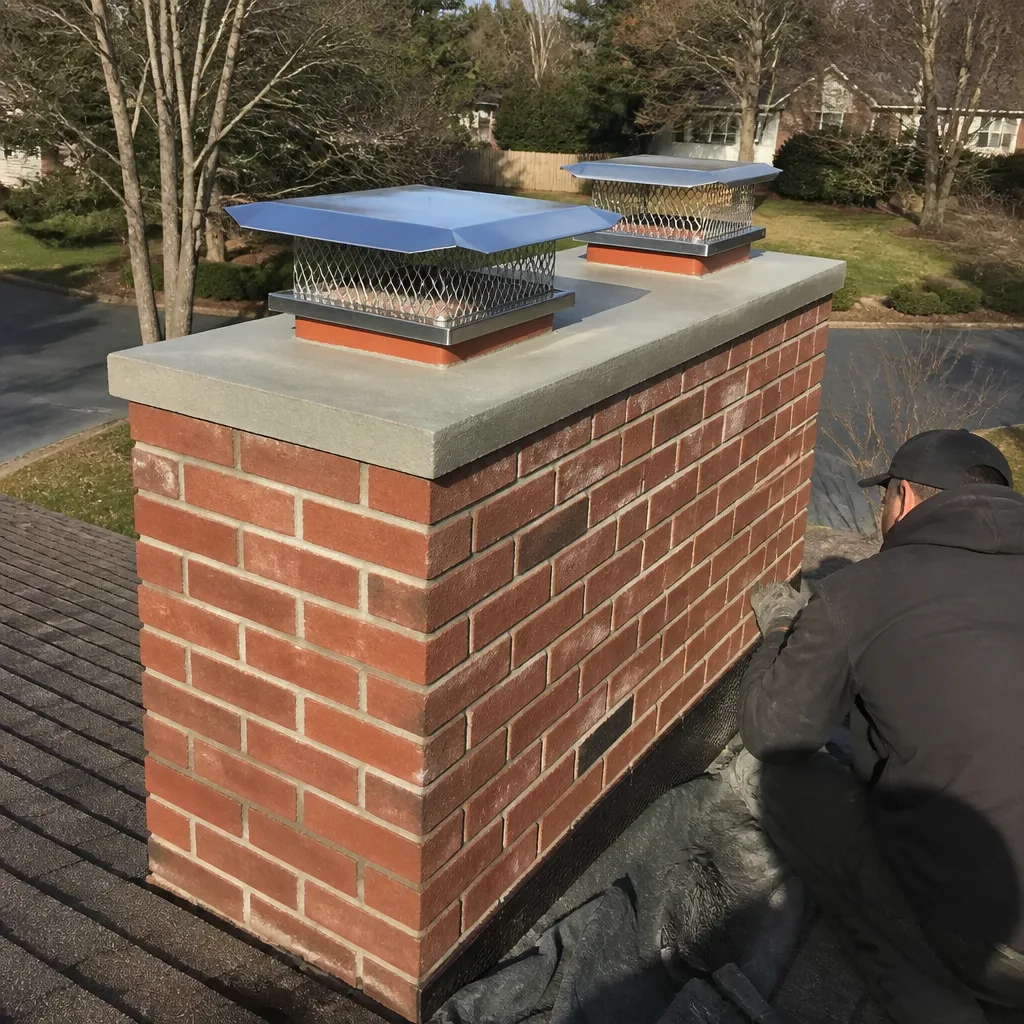
Level 1 sweep and inspection to the NFPA 211 annual standard - flue, crown, cap, and flashing checked and photographed
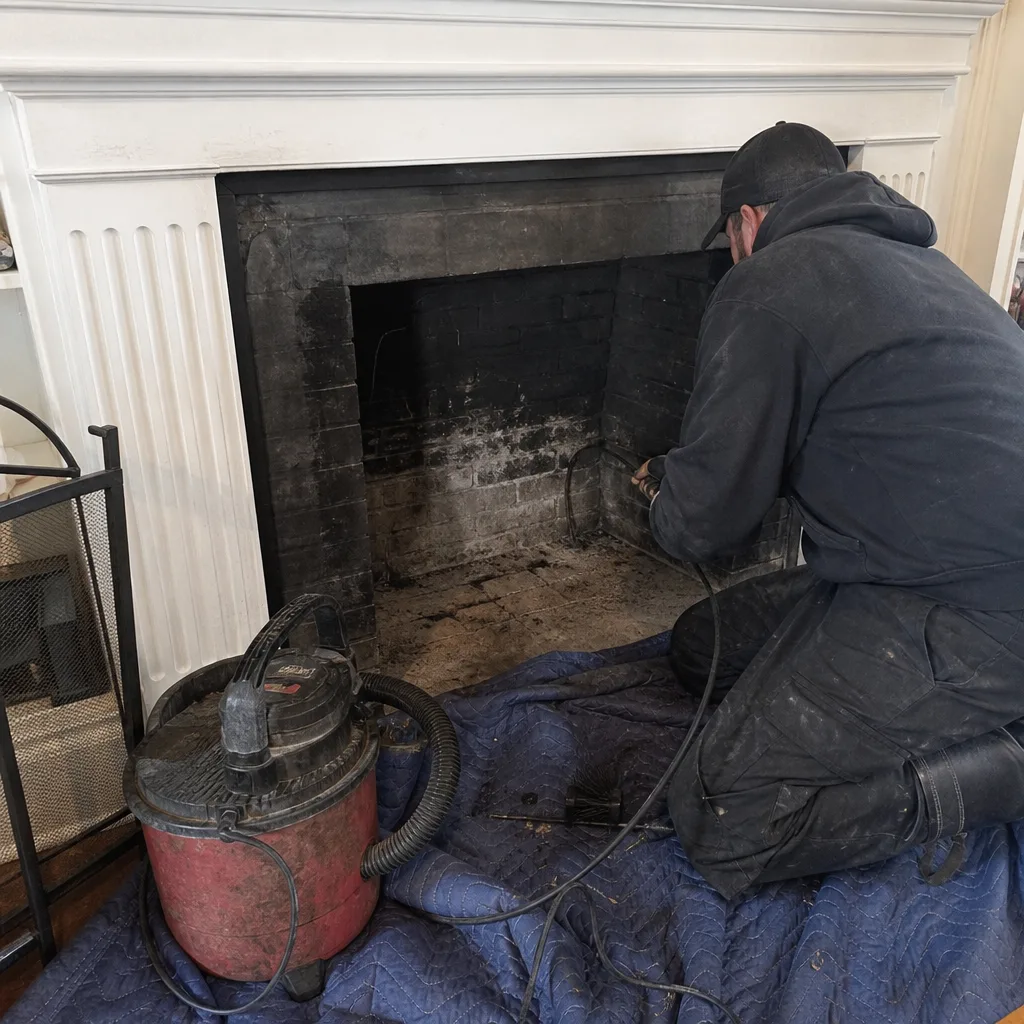
Chimney sweep logs do not sweep chimneys. They loosen some creosote - which then falls where a brush and vacuum still have to collect it.
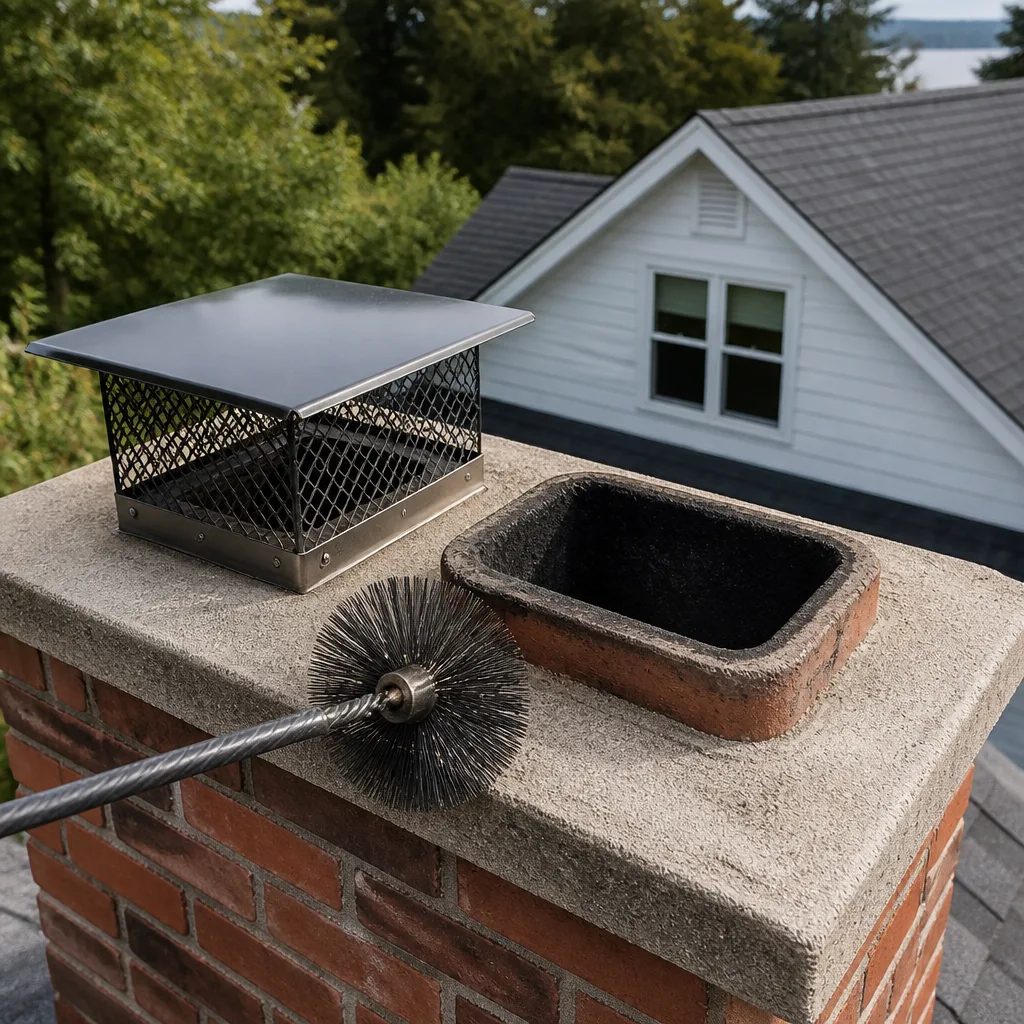
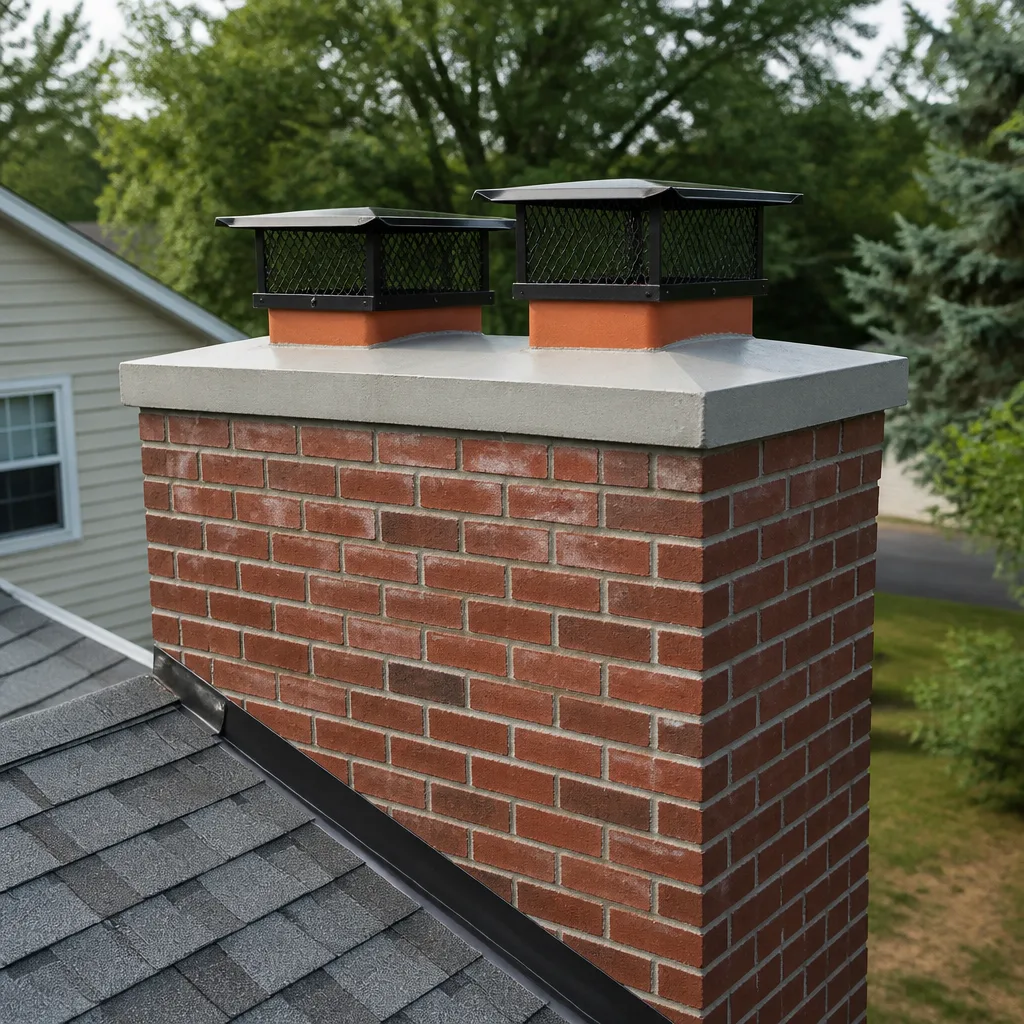
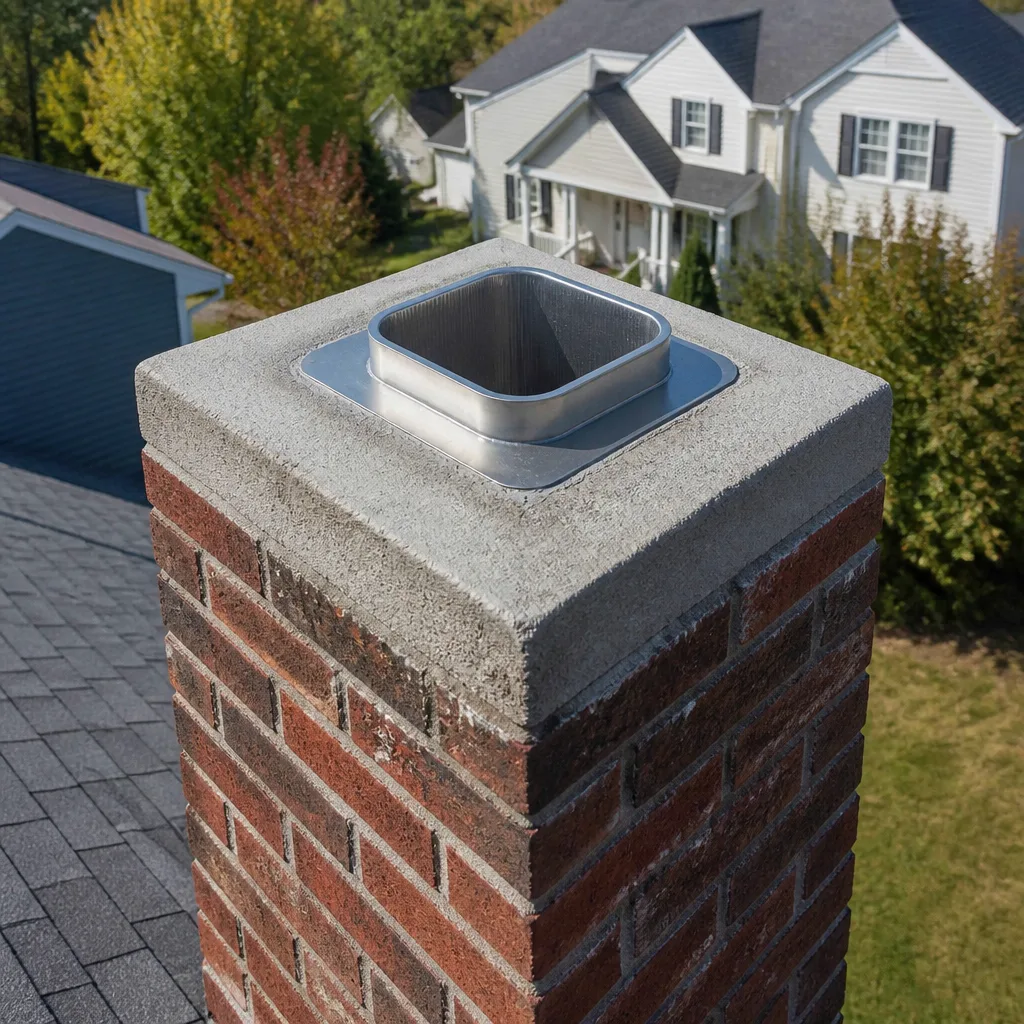
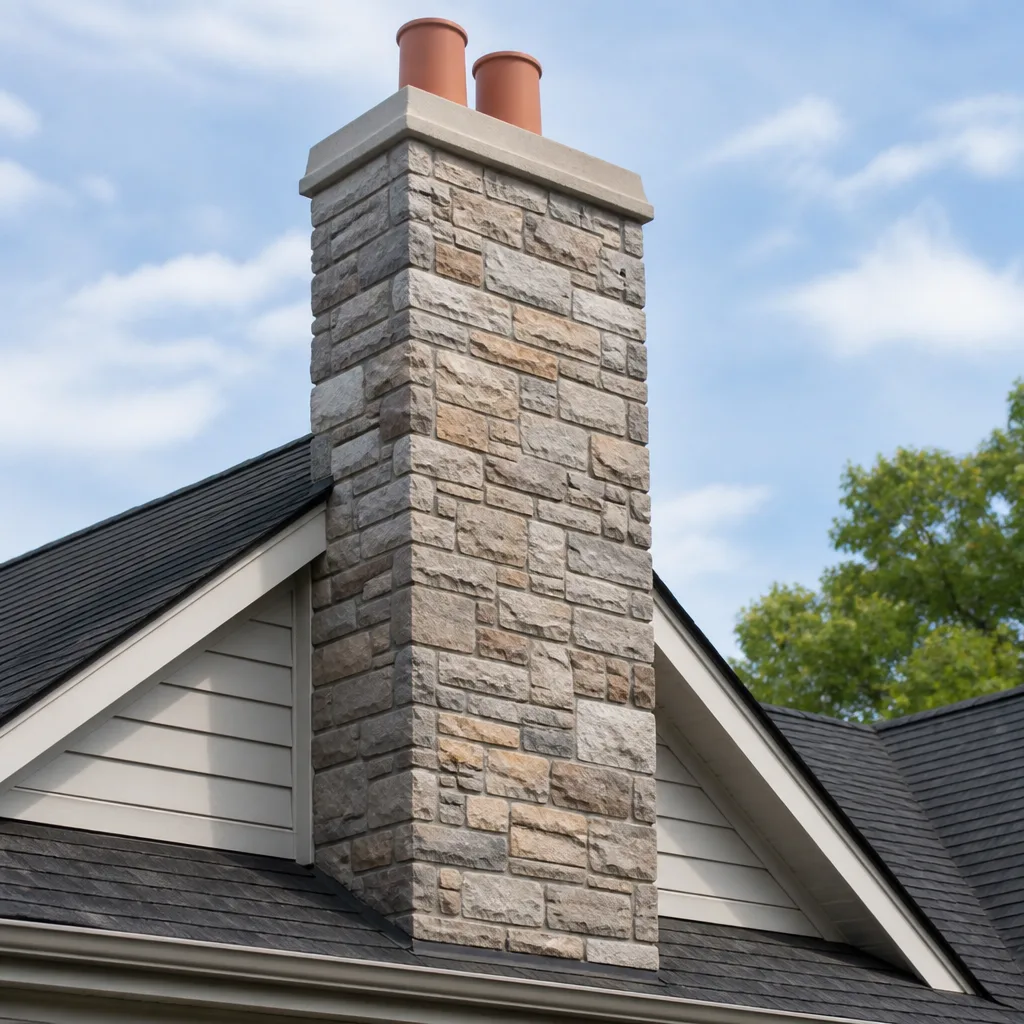
 Before
 After
After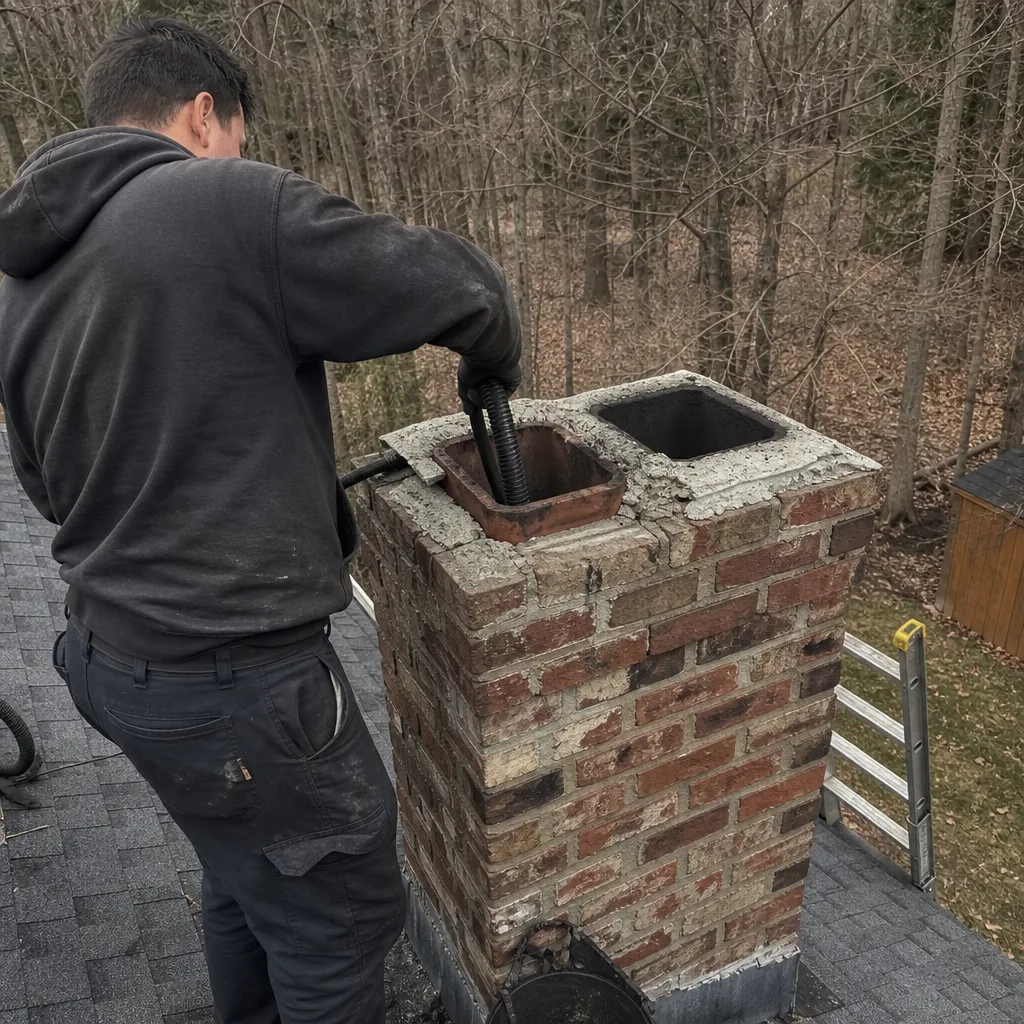 Before
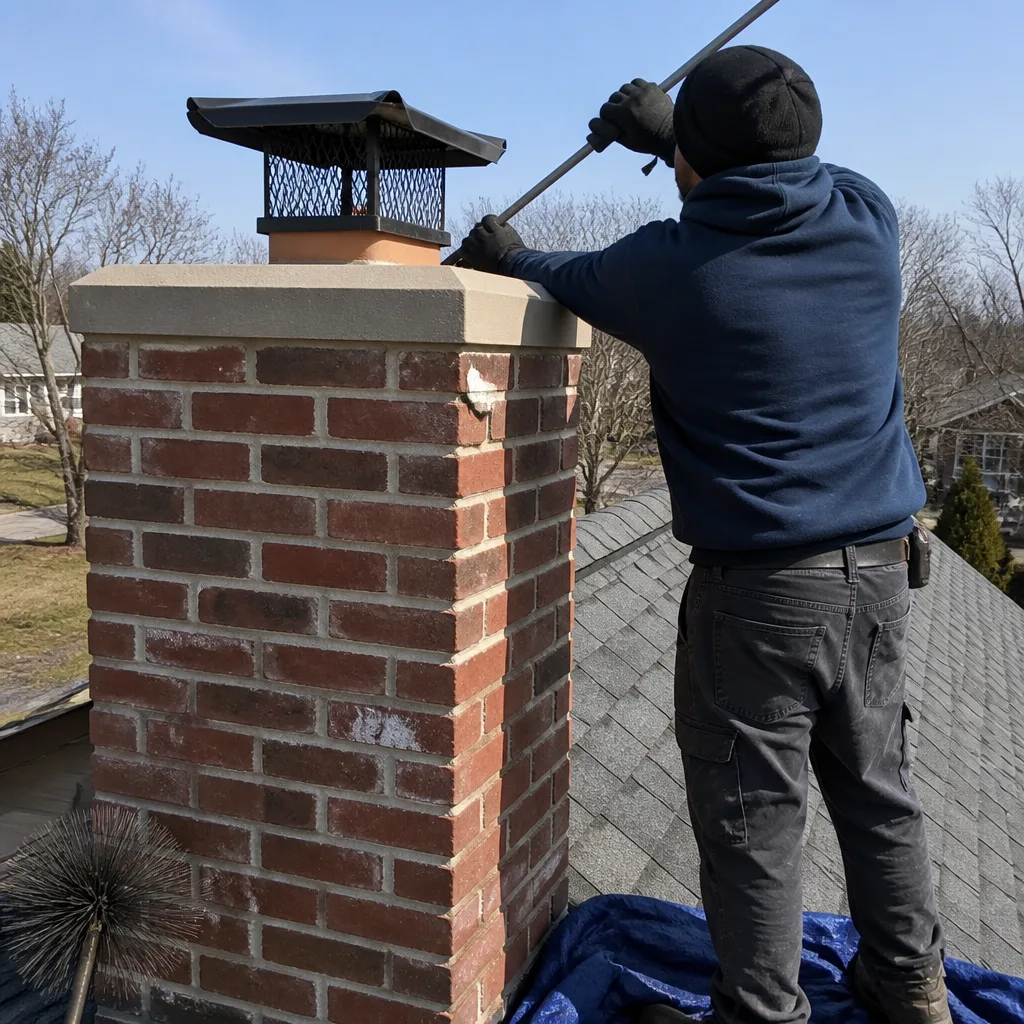 After
After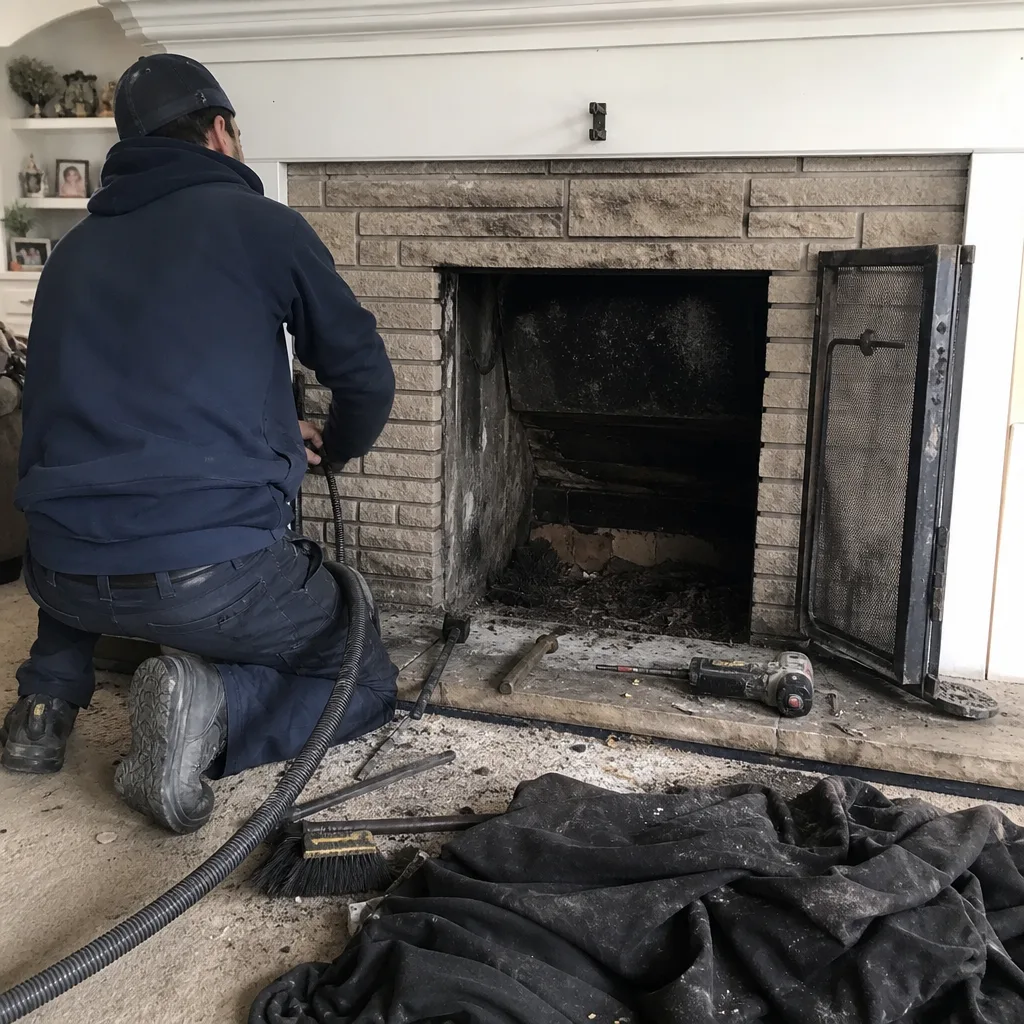 Before
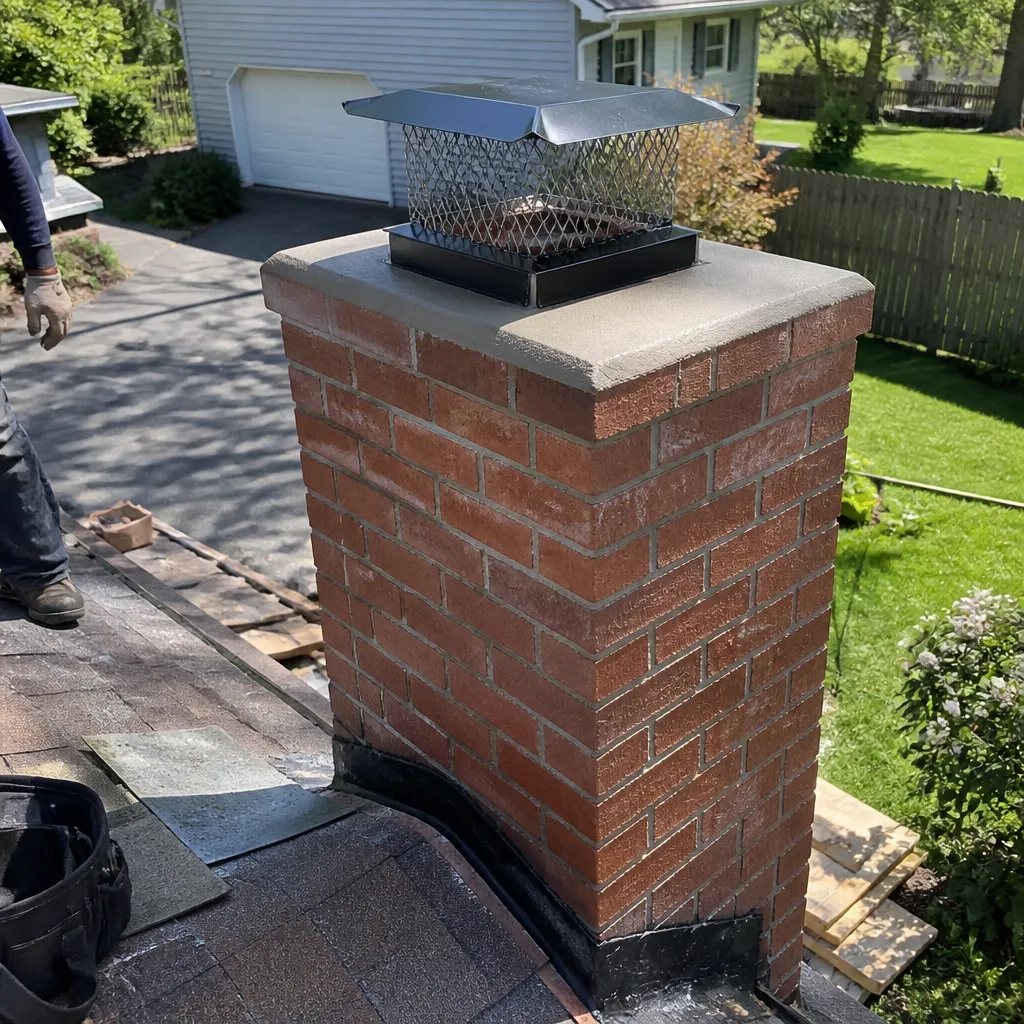 After
AfterFamco Flue Liner Replacement: The Jamesburg Owner’s Guide
We stock and install Famco-compatible stainless steel flue liner replacement in Jamesburg, with typical installed pricing running $1,800 to $3,400 depending on liner diameter, length, and whether the old liner comes out clean or fights us the whole way. Most Jamesburg homes we see have the liner swapped and the appliance reconnected inside a single day. The way owners usually find out is a sweep or stove installer runs a camera up the flue and says what we’ve said plenty of times ourselves: the liner’s rusted through, or a seam has opened, and the flue is now venting into the chase instead of out the cap.
If you’re reading this because someone just gave you that news, slow down a minute. A failing liner is real, but the decision to replace it should be based on something you can see with your own eyes. We show every customer the camera footage before we quote a liner job. No exceptions.
Which Famco Models This Applies To
Famco liner replacements in Jamesburg typically fall into two buckets: rigid single-wall stainless sections and flexible corrugated liner, both sized by inside diameter. The common sizes we replace are 5.5″, 6″, 7″, and 8″ round, though we do run into ovalized rigid sections in older masonry chases where the original fireplace opening is narrow. Famco’s rigid sections connect with a male-female slip fit and lock with sheet metal screws; the flex liner is cut to length on site and terminated with a top plate and rain cap at the crown.
There’s one compatibility gotcha worth knowing before you buy anything online: Famco rigid and Famco flex are not always interchangeable across the same appliance. A liner that was originally rigid may need a rigid replacement if the connector at the appliance is a fixed vertical collar. Swapping to flex there can create a kink right at the connection, and a kinked liner is a restricted flue. We measure before we recommend. If you’ve got an older Famco liner with no readable label, the inside diameter and wall thickness tell us most of what we need.
On the OEM versus aftermarket question: for a Famco liner, the aftermarket route is usually fine if the steel is 316L alloy. That’s the grade rated for the acidic condensate that gas appliances produce. 304 stainless costs less up front, but here in New Jersey the humidity and temperature swings chew through 304 noticeably faster, especially on oil. We install DuraFlex, HeatShield, and Gelco liners alongside Famco when the job calls for it, and we’ll tell you plainly when a generic 316L flex liner will do the same job for less money.
Signs Your Famco Flue Liner Replacement Is Failing
- Rust flakes at the cleanout door or around the appliance connector. This is the one we see most in Jamesburg basements. The liner is sweating, condensing, and the steel is letting go from the inside out. By the time you see flakes, the liner wall is thin somewhere above you.
- A metallic or acrid smell when the appliance runs. That’s flue gas you’re smelling, which means the liner has a breach. It doesn’t have to be a big hole. A pinhole in the wrong spot puts carbon monoxide where you don’t want it, and CO doesn’t knock first.
- Water staining on the chase or ceiling near the flue path. Condensate leaks through a failed seam and follows gravity. In older Jamesburg capes with interior chases, we’ve found wet drywall behind the chase that nobody noticed until the paint bubbled.
- White or green crust on the liner surface, visible from the top or through a cleanout. That’s corrosion working. Gas appliance condensate is mildly acidic, and once the protective oxide layer on the steel breaks down, the liner turns spongy in spots. A brush can punch right through it.
- The appliance starts acting differently: lazy flames, rollout, or a stronger draft smell inside. A breached liner doesn’t pull the way it used to. The appliance senses the pressure change, and the burn quality drops. It’s easy to blame the appliance; it’s usually the flue.
Replacement Cost & What’s Included
In Jamesburg and the surrounding county, a Famco flue liner replacement typically runs $1,800 to $3,400 installed. The biggest driver is liner diameter and length. A 6″ flex liner in a single-story ranch with an easy rooftop access runs toward the bottom of that range. An 8″ rigid liner in a two-story home with a steep roof pitch and a tricky offset runs toward the top.
What’s always included: camera inspection before and after, removal of the old liner (and honest disposal), the new Famco-compatible liner in 316L where the appliance calls for it, a new top plate and rain cap if the old ones are shot, the connector at the appliance, and a smoke test to verify the draft. The price we give you up front is the price on the invoice. If we open the chase and find something that changes the job, we stop and call you from the roof. You decide before we proceed.
Every liner replacement we install carries our 90-Day Done Right Promise in writing. If it’s not right, one call brings Wendell Pike back at no charge.
DIY or Call Us?
Here’s the honest split. What an owner in Jamesburg can safely check: rust flakes at the cleanout, water staining, a visual inspection of the exposed connector at the appliance. Those tell you something’s wrong. They don’t tell you the full condition of the liner, and they don’t tell you whether the problem is a pinhole or a liner that’s already separated at the third seam up.
Where DIY goes wrong is the part most people underestimate: a flue liner replacement means working on the roof, pulling a steel liner out of a masonry or framed chase, and resealing the top so water can’t follow the liner down. If a liner binds partway out, a homeowner pulling harder on a rope is how liners get torn, and a torn liner in a chimney you can’t see inside is a carbon monoxide risk you won’t notice until your CO alarm has a bad night. We recommend leaving the extraction and replacement to a trained professional. If you’re unsure whether your liner is actually done, call us at (609) 905-5820 and we’ll run a camera up first. If it does not need replacing, we will tell you that too.
FAQs
A 316L stainless Famco liner in a Jamesburg chimney typically lasts 15 to 25 years, but oil appliances, high humidity, and a chimney that runs cold shorten that window to 10 to 15 years. Most liners we replace are original to the house and somewhere between 20 and 30 years old. The best way to know what yours has left is a camera inspection, not a guess from a brochure.
Usually not in a way we’d trust long-term. Small pinholes can sometimes be patched with a high-temp stainless wrap or a HeatShield resurfacing, but if you’ve got rust-through in multiple spots or a failed seam, patching is a delaying tactic, not a fix. Here’s the honest line: in Jamesburg, a patched liner gets you one or two more seasons. Then you’re replacing it anyway. Call (609) 905-5820 for a camera diagnosis and we’ll tell you which situation you’re in.
Most single-appliance liner replacements in Jamesburg take one day, including the camera inspection before and after. Two-story homes, rigid liner, or a chase that fights us on extraction can push it into a second morning. We give you a real window before we arrive, and if that slips, we call.
We stock 5.5″, 6″, 7″, and 8″ stainless flex and rigid liner sections on the truck, along with top plates, rain caps, connectors, and termination kits. If you need a diameter or configuration we don’t have on the truck, we source it same-week from our Famco, DuraFlex, or Gelco suppliers. For a free estimate or a camera inspection, call (609) 905-5820.
Written by Wendell Pike, Owner, Top Hat Chimney at Top Hat Chimney, serving Jamesburg and nearby areas.