
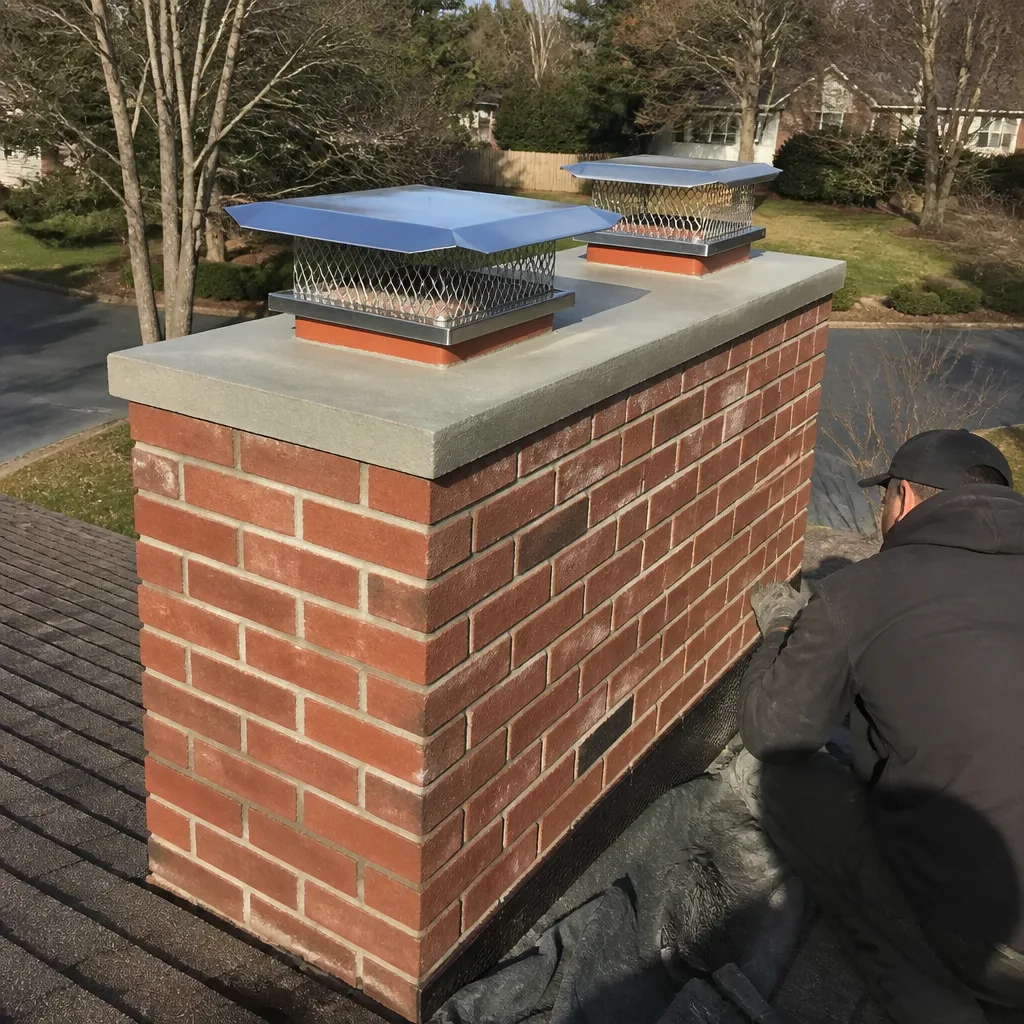
Level 1 sweep and inspection to the NFPA 211 annual standard - flue, crown, cap, and flashing checked and photographed
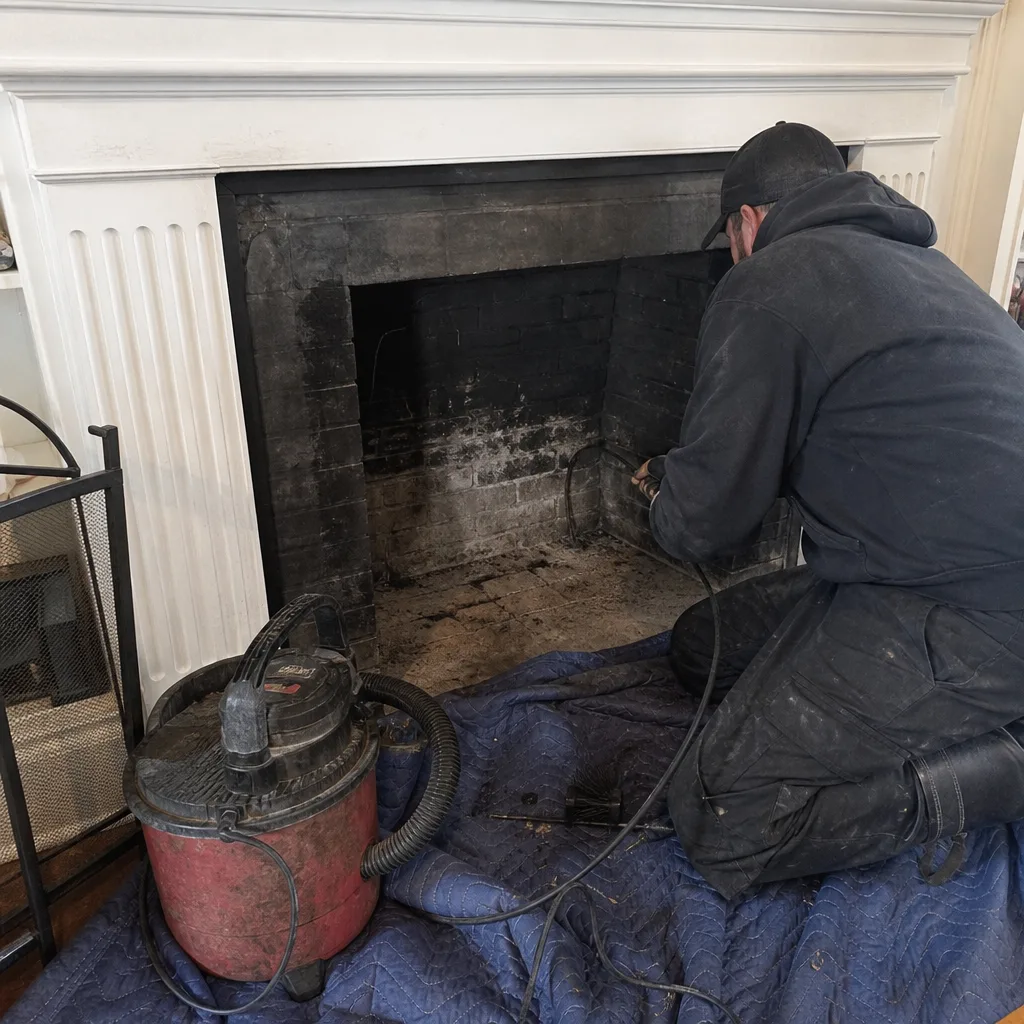
Chimney sweep logs do not sweep chimneys. They loosen some creosote - which then falls where a brush and vacuum still have to collect it.
 Before
 After
After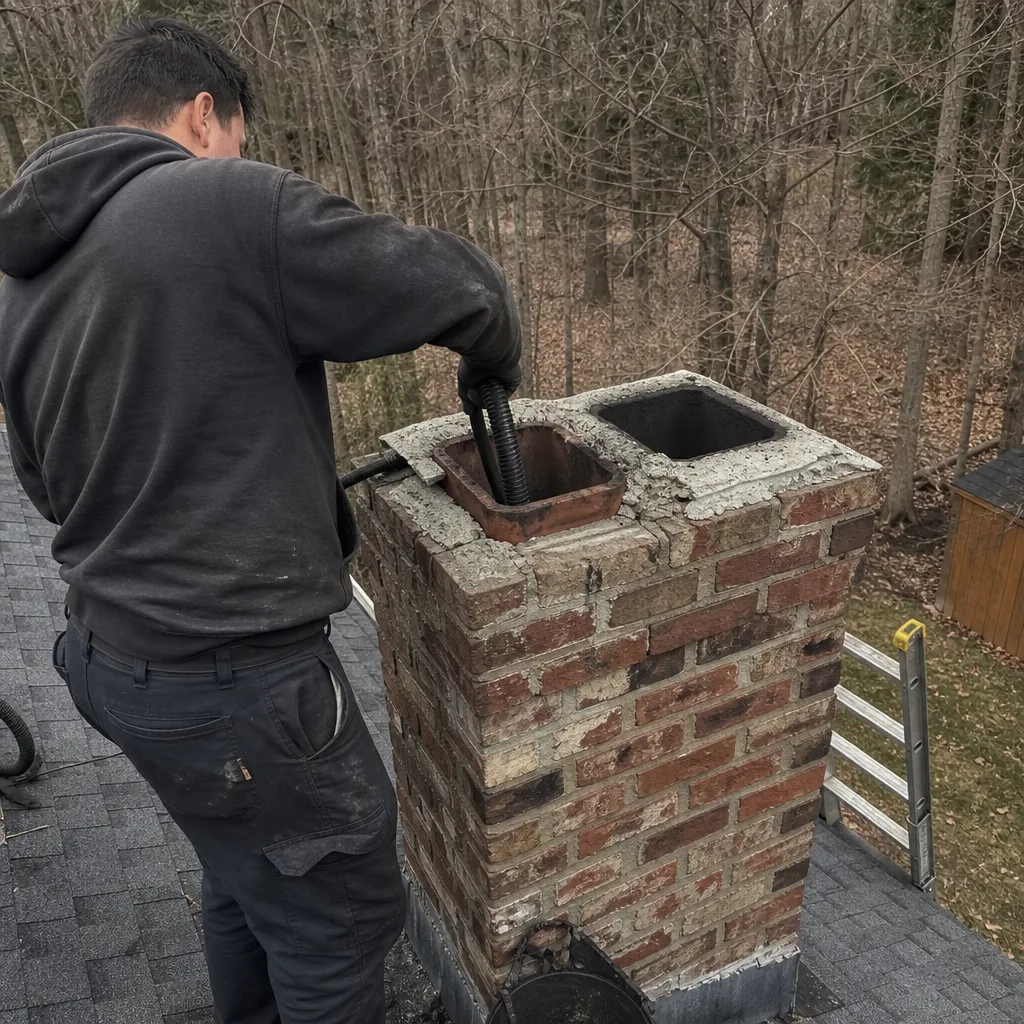 Before
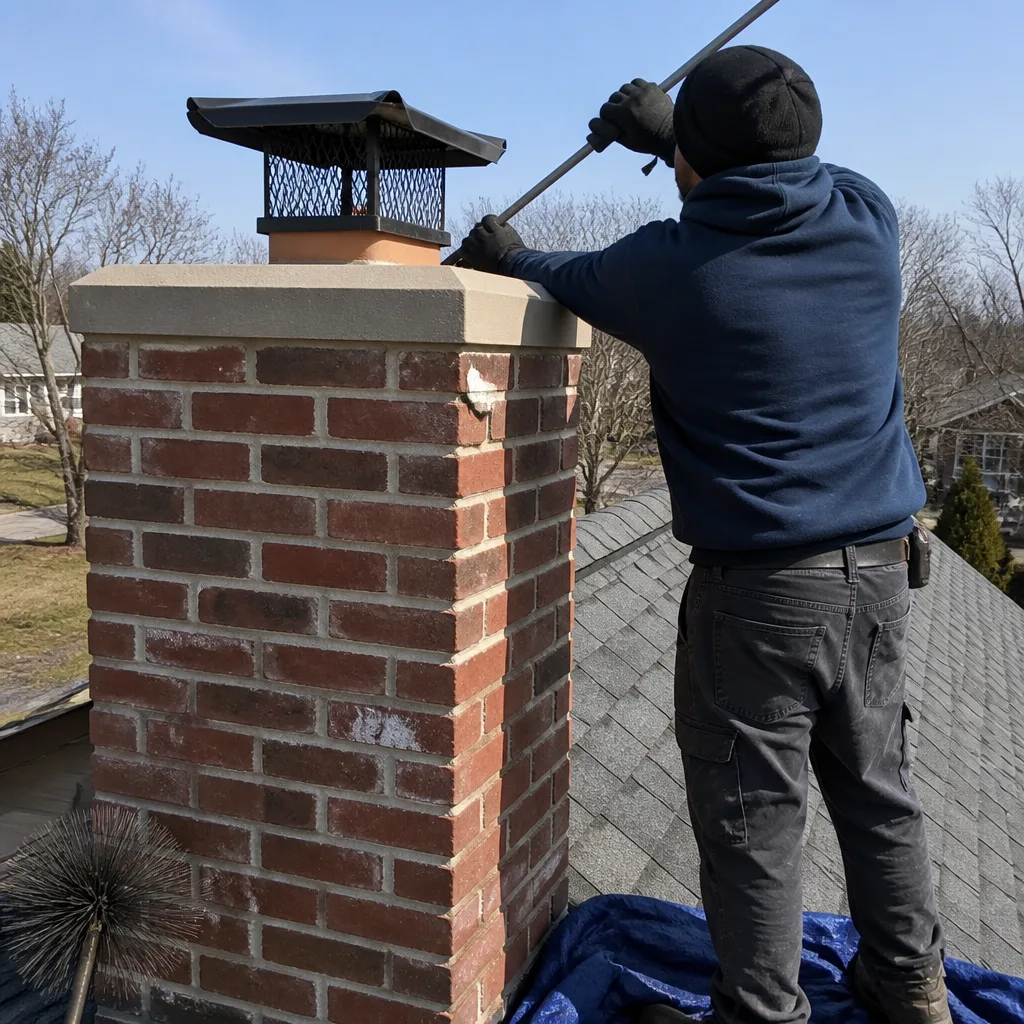 After
After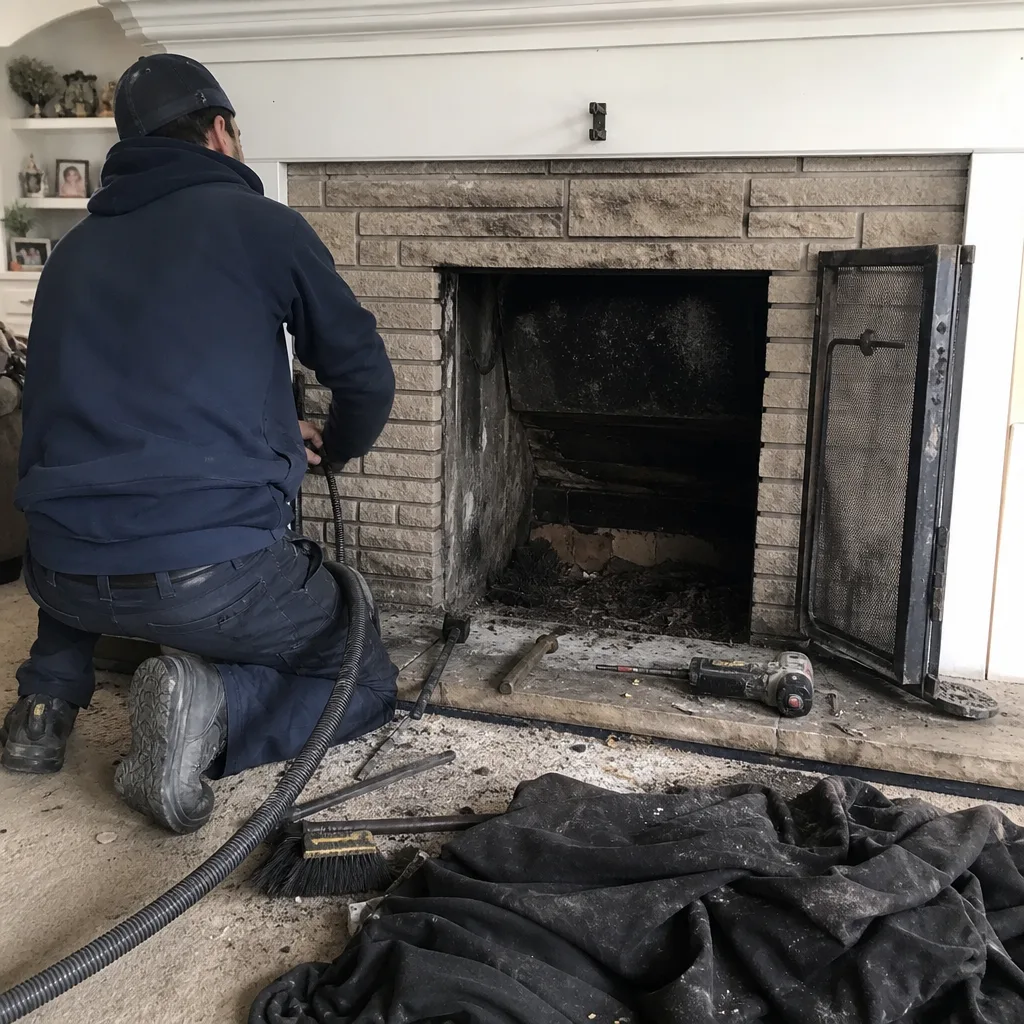 Before
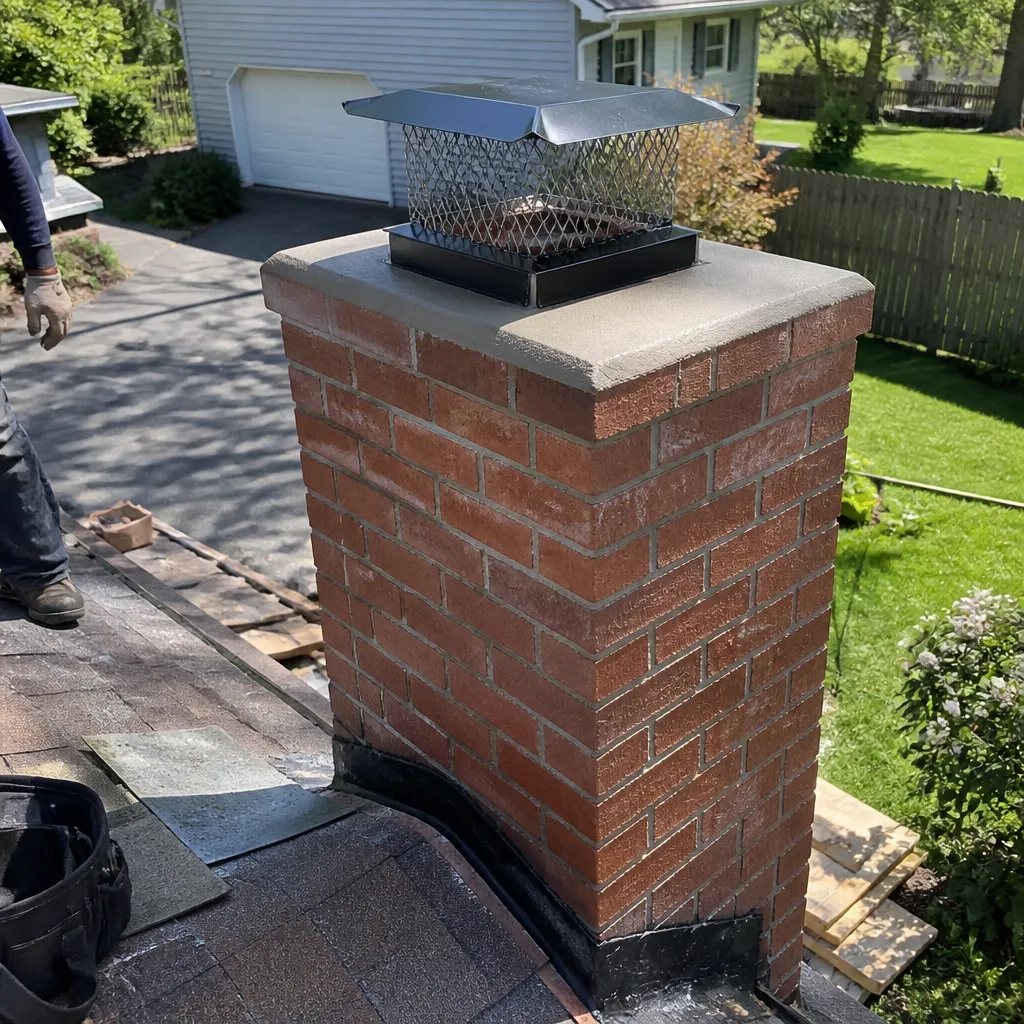 After
AfterGelco Flue Liner Replacement: The Jamesburg Owner’s Guide
We stock and install Gelco-compatible flue liner replacement kits for most residential chimneys in Jamesburg, and an installed replacement typically runs between $1,850 and $3,400 depending on liner diameter, length, and how much existing masonry needs attention. Most Gelco liner jobs are done in a single day once we’re on site. The way most folks in Jamesburg find out their Gelco liner has failed is not dramatic: they call us for a sweep, we run the camera up, and the footage shows a seam separating, a crack running through a section, or rust blooming where a moisture problem has been quietly working for years.
Which Gelco Models This Applies To
Gelco flue liners come in rigid stainless steel sections and flexible kits, and the model you have changes what we replace it with. The rigid Gelco sections are typically 304 or 316 stainless in 24-inch lengths, available in diameters from 5 inches up to 12 inches, and they lock together with a male-female joint that we sometimes see fail when the original install used too much force on the seam. Flexible Gelco liner is sold in continuous coil lengths, which matters because a flex liner that has been kinked during a previous install or stretched past its rated length will fail early. To identify what you have, look for the Gelco stamp on the liner itself near the termination cap or on the appliance connector. If the stamp is gone, we measure the inside diameter at the top of the flue and count the corrugations per inch on flex liner to match the replacement correctly.
One thing worth knowing about Gelco specifically: the alloy matters here. 304 stainless holds up fine for most wood-burning fireplaces in Jamesburg, but if you have an oil-fired furnace venting through a Gelco liner, you want 316L. Oil combustion produces acidic condensate that eats 304 from the inside out. We have pulled 304 liners out of oil flues that looked fine from the outside and were paper-thin inside. When we spec a replacement, we match the alloy to the appliance, not just the old liner.
We are an independent chimney company, not affiliated with Gelco, but we install genuine Gelco replacement sections and we also stock equivalent stainless liner from DuraFlex and HeatShield when a Gelco-specific part is backordered or when the other brand’s warranty covers the situation better. The decision is made openly, in front of you, with the part numbers in writing.
Signs Your Gelco Flue Liner Replacement Is Failing
- Brown staining on the chimney breast or ceiling near the flue. This is moisture wicking through masonry, and it often means the liner has a crack letting flue gas condense behind the brick. By the time you see the stain, the liner has usually been compromised for a season or more.
- A metallic rattling or tapping sound when the wind blows. Rigid Gelco sections that have separated at a seam will move against each other. We hear this complaint most often in older Jamesburg homes where the chimney takes a direct hit from nor’easter winds.
- Soot or creosote odor in rooms adjacent to the chimney even when there is no fire burning. Flue gas is finding a path around the liner instead of through it. This is the one you should not wait on.
- Visible rust flakes falling into the firebox or clean-out. Stainless steel can rust when a liner section has been in constant contact with moisture, especially if the crown or cap has been leaking. Rust inside means the liner is losing its structural integrity from the inside out.
- A sweep that produces far more debris than usual, or debris with shiny metal flecks in it. That metal is your liner coming apart. We have seen liners in Jamesburg chimneys that started as a pinhole and progressed to a 6-inch split within two seasons.
Replacement Cost & What’s Included
In Jamesburg, a straightforward Gelco flue liner replacement with a rigid stainless section swap runs from about $1,850 to $2,600 for a single-story chimney. Add a second story, a taller chimney, or a flex liner full-length replacement and you’re looking at $2,800 to $3,400. The range is driven by four things: liner diameter, total length, whether we need to remove and recrown a deteriorated crown at the same time, and whether the old liner comes out in one piece or needs to be broken and extracted.
Every quote we give in Jamesburg includes the parts, labor, a camera inspection before and after, and a written photo report of what the liner looked like when we started and what it looks like when we finish. You see the same footage we see. There is no charge for the estimate, and the price we quote is the price on your invoice. Every completed job carries our 90-Day Done Right Promise in writing: if the liner work is not right, one call brings Wendell and the crew back at no additional cost.
DIY or Call Us?
Flue liner replacement is not a weekend project, and that is not a sales line. You are working inside a confined masonry shaft, often from roof level, with stainless steel sections that weigh more than they look like they should. A dropped 2-foot rigid section inside a flue can crack a clay tile below it or damage the smoke shelf, and now you have a bigger problem than a failed liner. If the liner is flex and it gets kinked during the pull, you have destroyed a $700 coil before it is even installed. The most honest DIY advice we can give a Jamesburg homeowner is this: you can safely shine a flashlight up the flue from the clean-out and look for obvious rust or separation, and you can keep an eye out for the symptoms above. But pulling and replacing liner demands a second set of hands, proper termination cap work, and the judgment to know when the crown needs attention at the same time. If you are looking at brown stains on the wall, call us at (609) 905-5820 and we will run the camera up first. The camera does not lie, and the verdict is plain English.
FAQs
A properly installed Gelco 316L liner in a wood-burning fireplace will typically last 20 to 25 years in central Jersey’s freeze-thaw climate, while a 304 liner venting an oil furnace may give you 12 to 15 years before the acid condensate takes its toll. The wildcard is moisture from a failing crown or cap, which shortens any liner’s lifespan considerably.
In some cases, yes: a single failed rigid section can sometimes be isolated and swapped if the sections below and above it are still structurally sound, and a small rust pinhole can occasionally be addressed with a stainless patch section. But the camera inspection determines this. We will not sell you a full replacement if a section swap is the right call. If it does not need replacing, we will tell you that too. Call (609) 905-5820 to schedule the camera inspection.
A standard Gelco liner replacement in a single-story Jamesburg home is typically a one-day job, start to finish. Taller chimneys, difficult extractions, or crown rebuilds added to the scope can push it to a second morning. We give you an honest window before we start, and Wendell or a crew member calls if anything changes.
We keep common rigid Gelco sections and flex liner coils on the truck, and our supplier relationship means most non-stock Gelco parts are in our hands within two to four business days. If you are in a bind and we have an equivalent DuraFlex or HeatShield section that matches the spec and warranty requirements, we will offer it and explain the difference before any work is done.
Written by Wendell Pike, Owner, Top Hat Chimney at Top Hat Chimney, serving Jamesburg and nearby areas.